

Portugal combines historic cities, dramatic Atlantic coastlines, golden beaches, picturesque villages, scenic vineyards, and centuries of maritime culture within a relatively compact country. From Lisbon’s colorful neighborhoods and Porto’s riverside architecture to the spectacular cliffs of the Algarve, Portugal offers an impressive variety of experiences for travelers.
Although Lisbon and Porto are the country’s most famous destinations, Portugal extends far beyond its major cities. Travelers can explore the fairy-tale palaces of Sintra, traditional towns surrounded by medieval walls, vineyard-covered valleys along the Douro River, peaceful countryside in the Alentejo, and volcanic island landscapes in Madeira and the Azores.
Portugal is also relatively easy to explore thanks to good rail and road connections between many major destinations. Whether you are interested in architecture, history, food, beaches, wine, outdoor adventures, or scenic road trips, the country works equally well for short European holidays and longer journeys.
This guide explores the best places to visit in Portugal in 2026, including famous cities, historic towns, coastal destinations, islands, wine regions, and beautiful natural landscapes worth adding to your itinerary.
Best Places to Visit in Portugal
1. Lisbon
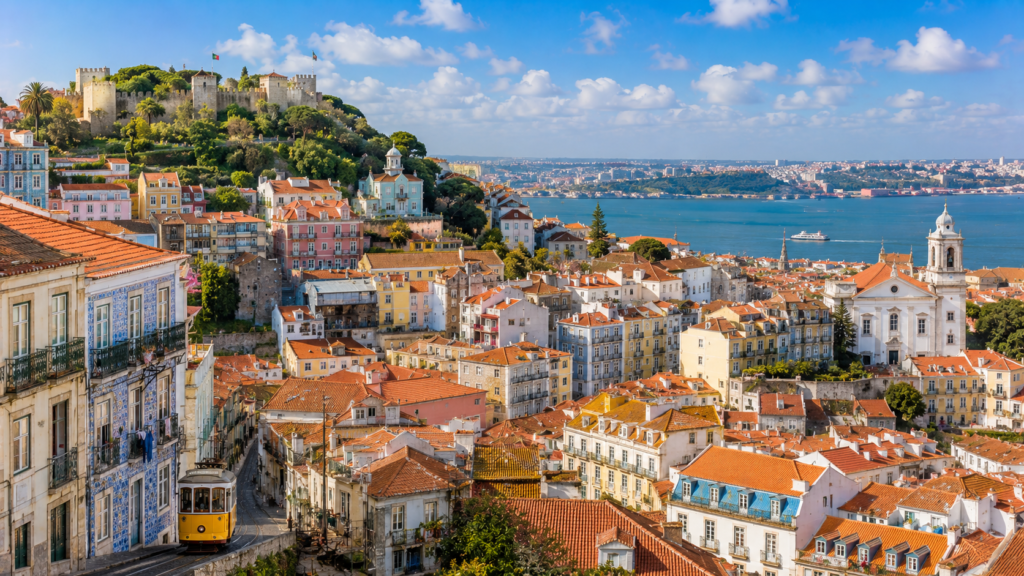
Lisbon is Portugal’s capital and one of Southern Europe’s most distinctive cities. Built across a series of hills overlooking the Tagus River, the city combines historic neighborhoods, grand plazas, colorful tiled buildings, traditional yellow trams, impressive viewpoints, and a lively contemporary atmosphere.
Alfama is one of Lisbon’s oldest neighborhoods and an excellent place to begin exploring. Narrow streets climb between traditional houses, small squares, churches, cafés, and viewpoints overlooking the rooftops and river.
São Jorge Castle stands above the historic center and provides panoramic views across Lisbon. Nearby districts such as Baixa and Chiado offer elegant streets, shops, restaurants, public squares, and easy access to many central attractions.
Another essential area is Belém, where travelers can explore some of Portugal’s most important monuments connected with its maritime history. Jerónimos Monastery and Belém Tower are among the city’s most recognizable landmarks, while the riverside promenade provides an attractive setting for walking.
Lisbon is also famous for traditional azulejo tiles, historic cafés, local markets, seafood, pastries, and Fado music. Travelers visiting for the first time should allow at least two to three full days to experience the major neighborhoods without rushing.
2. Porto

Porto is Portugal’s atmospheric northern city, famous for its historic center, colorful riverside buildings, impressive bridges, tiled churches, and centuries-old connection with port wine.
The Ribeira district forms one of the city’s most recognizable areas. Historic buildings rise above the Douro River, while cafés and restaurants line the waterfront beneath narrow streets leading into the old city.
The Dom Luís I Bridge connects Porto with Vila Nova de Gaia and provides spectacular views across the river and surrounding hills. On the opposite bank, traditional port wine cellars offer tastings and opportunities to learn about one of Portugal’s most famous products.
São Bento Railway Station is another highlight, particularly for its elaborate azulejo tile panels illustrating scenes from Portuguese history. Porto Cathedral, Clérigos Tower, historic churches, markets, and attractive streets provide plenty more to explore.
Porto works particularly well for travelers interested in architecture, photography, food, wine, and historic city experiences. Two or three days are ideal for a first visit, with additional time useful for excursions into the Douro Valley.
3. Sintra

Sintra is one of Portugal’s most distinctive destinations, located among forested hills within easy reach of Lisbon. Extravagant palaces, historic estates, gardens, castle ruins, and mountain scenery create an atmosphere unlike anywhere else in the country.
Pena Palace is Sintra’s most recognizable landmark. Standing high above the surrounding landscape, the colorful nineteenth-century palace combines architectural styles and provides extensive views across the hills toward the Atlantic coast.
Nearby, the Moorish Castle follows a dramatic ridge above Sintra. Visitors can walk along sections of its historic walls while enjoying panoramic views of the surrounding forests and countryside.
Quinta da Regaleira provides another very different experience. Its ornate buildings and mysterious gardens contain grottoes, underground passages, towers, and the famous Initiation Well.
The historic center of Sintra itself offers traditional streets, cafés, shops, restaurants, and attractive architecture. Although the town can be visited as a day trip from Lisbon, staying overnight allows travelers to experience a quieter atmosphere before and after the busiest visitor periods.
4. Algarve
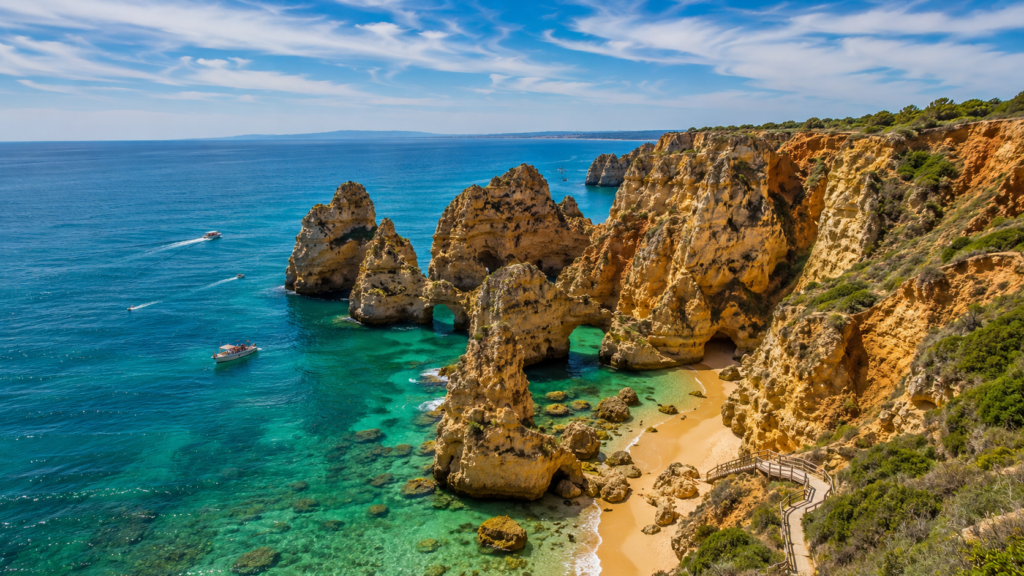
The Algarve stretches across southern Portugal and is famous for golden beaches, dramatic limestone cliffs, sea caves, traditional fishing communities, and some of the country’s most spectacular Atlantic scenery.
Lagos is one of the best bases for exploring the western Algarve. Nearby Ponta da Piedade features impressive cliffs, arches, rock formations, and turquoise water, while beaches such as Praia do Camilo and Praia Dona Ana are surrounded by distinctive coastal landscapes.
Farther east, Tavira offers a quieter experience with traditional Portuguese architecture, historic streets, and access to long sandy beaches. Other communities throughout the Algarve provide everything from lively resorts to peaceful fishing villages.
The region is also excellent for hiking, boat trips, coastal drives, kayaking, and photography. Travelers who want to explore beyond the main towns will usually benefit from renting a car.
The Algarve is particularly appealing for visitors who want to combine sightseeing with beaches and outdoor activities. Spending several days provides enough time to explore different sections of the coastline rather than staying in a single resort.
5. Madeira
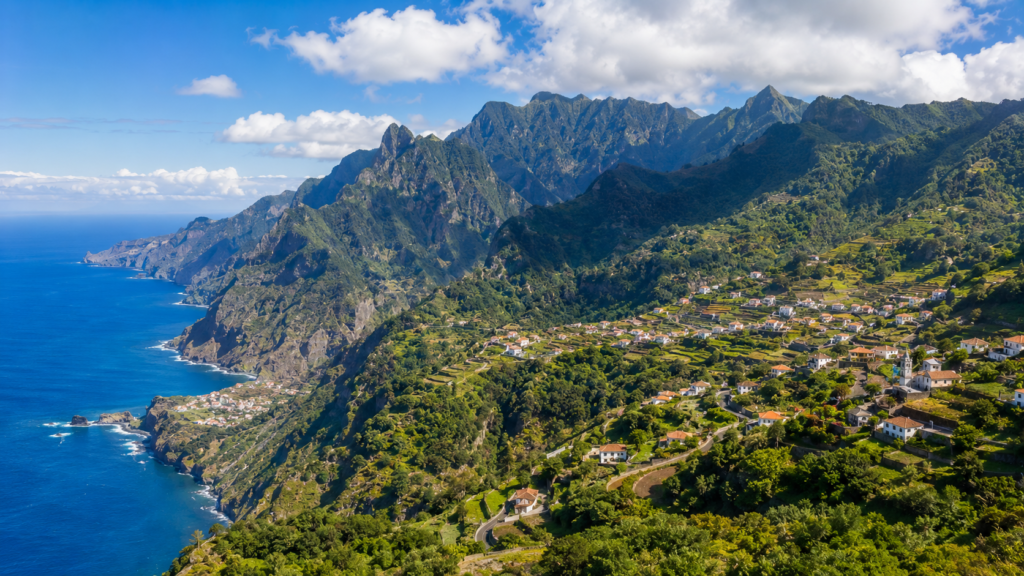
Madeira is a mountainous Portuguese archipelago in the Atlantic Ocean known for dramatic volcanic landscapes, steep coastal cliffs, lush subtropical vegetation, scenic hiking routes, and impressive ocean views.
Funchal, the island’s capital, is the main base for many visitors and combines historic streets, gardens, markets, restaurants, and an attractive waterfront. Outside the city, Madeira quickly becomes more mountainous, rural, and adventurous.
One of the island’s greatest attractions is its network of levadas, traditional irrigation channels that now provide access to numerous walking routes through forests, valleys, and mountain scenery.
Pico do Arieiro and Pico Ruivo are among Madeira’s most famous mountain destinations. On clear days, the high-altitude landscapes provide spectacular views across rugged peaks and deep valleys.
Madeira is especially suitable for travelers interested in hiking, nature, photography, road trips, and outdoor experiences. Spending several days is recommended because many of the island’s best attractions are spread across different regions.
6. Azores

The Azores are a remote Portuguese archipelago in the Atlantic Ocean characterized by volcanic landscapes, crater lakes, green pastures, dramatic coastlines, geothermal areas, and peaceful island communities.
São Miguel is the largest island and a popular starting point for first-time visitors. Sete Cidades is famous for its enormous volcanic crater and beautiful lakes surrounded by lush green scenery.
Furnas offers a different experience with geothermal activity, hot springs, steaming ground, gardens, and traditional dishes prepared using natural volcanic heat.
The Azores are also well known for whale watching, hiking, scenic driving, diving, and exploring volcanic landscapes. Travelers interested in nature will find far fewer large cities or traditional sightseeing attractions than on mainland Portugal.
Weather can change quickly across the islands, so flexible itineraries are helpful. The Azores are particularly rewarding for visitors who prioritize landscapes, outdoor activities, and quieter destinations.
7. Douro Valley

The Douro Valley is one of Portugal’s most beautiful rural regions, where steep vineyard terraces descend toward the winding Douro River.
The landscape has been shaped by centuries of wine production and is especially associated with port wine. Historic estates, small villages, river viewpoints, and vineyard-covered hills create one of the country’s most distinctive cultural landscapes.
Travelers can explore the valley by car, train, or river cruise. The railway journey from Porto toward Peso da Régua and Pinhão follows sections of the river and provides impressive views across the surrounding vineyards.
Many wine estates offer tastings and opportunities to learn about regional production traditions. However, the scenery alone makes the Douro worthwhile even for travelers who are not especially interested in wine.
A day trip from Porto is possible, but staying overnight allows visitors to experience the valley at a slower pace and explore more of its rural communities.
8. Coimbra

Coimbra is a historic city in central Portugal best known for its ancient university and strong academic traditions.
The University of Coimbra is the city’s most important attraction and one of the oldest universities in Europe. Its historic buildings occupy an elevated position overlooking the city and the Mondego River.
The Joanina Library is one of the university’s most impressive spaces, known for its elaborate interior and historic collections. The wider university complex also includes courtyards, ceremonial rooms, and panoramic viewpoints.
Below the university, narrow streets lead through the old town past churches, cafés, shops, and historic buildings. Coimbra has a quieter atmosphere than Lisbon or Porto while still offering substantial cultural interest.
The city fits naturally into an itinerary between Lisbon and Porto and is particularly appealing to travelers interested in Portuguese history, education, architecture, and traditional urban culture.
9. Évora

Évora is one of the most important historic destinations in Portugal’s Alentejo region. Surrounded by countryside, vineyards, cork forests, and traditional villages, the city preserves architecture from several different periods of Portuguese history.
The Roman Temple is one of Évora’s most recognizable landmarks and reflects the city’s ancient past. Nearby, Évora Cathedral rises above the historic center and provides another important architectural highlight.
The Chapel of Bones inside the Church of São Francisco offers one of the city’s most unusual attractions. Its interior is decorated with human bones and skulls and reflects historical religious attitudes toward mortality.
Beyond these major landmarks, visitors can wander through whitewashed streets, small squares, local restaurants, and historic neighborhoods.
Évora can be visited as a day trip from Lisbon, but staying overnight provides more time to enjoy the historic center and explore the surrounding Alentejo countryside.
10. Óbidos
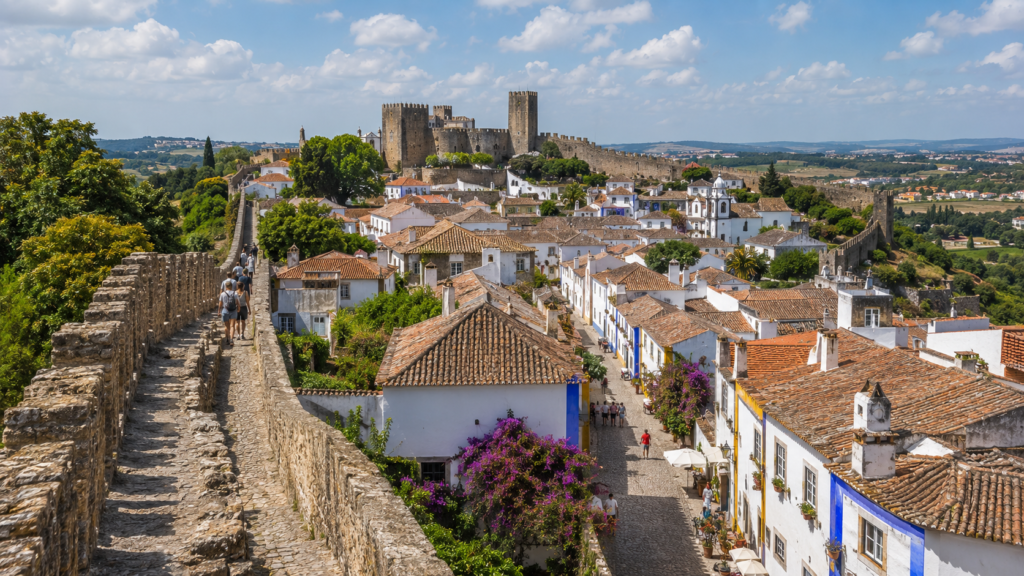
Óbidos is a beautifully preserved medieval town surrounded by historic defensive walls. Whitewashed houses decorated with flowers, narrow cobblestone streets, traditional shops, churches, and a hilltop castle create one of Portugal’s most picturesque small-town settings.
Walking through the historic center is the main attraction. Rua Direita runs through the heart of town and is lined with shops, cafés, traditional buildings, and entrances to smaller side streets.
Visitors can also walk along sections of the medieval walls for elevated views across the rooftops and surrounding countryside.
Óbidos is relatively compact and can easily be combined with other destinations in central Portugal. It is particularly appealing to travelers interested in medieval architecture, photography, traditional towns, and slower-paced sightseeing.
Although many travelers visit Óbidos as a day trip from Lisbon, staying until later in the day provides a quieter experience after many daytime visitors have departed.
Best Time to Visit Portugal
Portugal can be visited throughout the year, although spring and autumn are particularly attractive for many travelers.
April through June generally brings pleasant temperatures, longer daylight hours, and good conditions for city sightseeing, coastal walks, road trips, and countryside travel.
July and August are the busiest months, especially in Lisbon, Porto, and the Algarve. Hot weather makes this period particularly popular for beach holidays, although accommodation prices and visitor numbers can be significantly higher.
September and October often provide warm weather with fewer crowds than peak summer. These months are particularly attractive for the Douro Valley, cities, and coastal destinations.
Winter is generally milder than in much of northern Europe. Lisbon and the Algarve can remain appealing for city breaks and coastal travel, while Madeira is especially popular for its relatively mild year-round climate.
The best time ultimately depends on your itinerary. Beach travelers may prefer summer, while those focusing on cities, hiking, wine regions, and road trips may find spring or autumn more comfortable.
Local Food You Should Try
Portuguese cuisine is strongly influenced by the Atlantic Ocean, regional agriculture, traditional cooking methods, and centuries of maritime history.
Pastel de Nata – Portugal’s famous custard tart, made with crisp pastry and creamy egg custard. Lisbon is particularly famous for this classic sweet.
Bacalhau – Salted cod is one of the most important ingredients in Portuguese cuisine and is prepared in numerous different ways throughout the country.
Sardinhas Assadas – Grilled sardines are especially popular during summer and are closely associated with traditional festivals and coastal dining.
Francesinha – A rich sandwich associated with Porto, typically filled with meat, covered with melted cheese, and served with a distinctive sauce.
Caldo Verde – A traditional soup made with potatoes, leafy greens, olive oil, and often slices of sausage.
Polvo à Lagareiro – Octopus prepared with olive oil, garlic, and potatoes, reflecting Portugal’s strong seafood traditions.
Cataplana – A seafood or meat dish cooked in a distinctive hinged metal pan, particularly associated with the Algarve.
Queijo da Serra – A traditional cheese from central Portugal known for its rich flavor and creamy texture.
Port Wine – Produced in the Douro Valley and traditionally aged in Vila Nova de Gaia, port wine remains one of Portugal’s most internationally recognized products.
Transportation
Portugal has a convenient transportation network connecting many of its major cities and tourist destinations. Trains are particularly useful for journeys between Lisbon, Porto, Coimbra, and other cities along the main rail corridors.
Lisbon and Porto both have extensive local public transportation systems. Metro services, buses, trams, suburban trains, and other local connections make it possible to explore the main urban areas without renting a car.
Long-distance buses provide another useful option and can reach destinations that are less convenient by train. Travelers should compare journey times and schedules when planning routes between smaller cities and towns.
A rental car becomes especially valuable when exploring the Algarve, Alentejo, Douro Valley, smaller coastal communities, and rural areas. Driving provides greater flexibility for reaching beaches, viewpoints, vineyards, villages, and natural attractions located away from major transportation hubs.
Travelers visiting Madeira or the Azores will normally need to fly from mainland Portugal. Rental cars can also be useful on the islands, particularly for travelers who want to explore remote viewpoints, hiking areas, and smaller communities independently.
For a first trip combining Lisbon, Porto, Coimbra, and Sintra, public transportation is usually sufficient. Adding rural regions or a longer coastal itinerary makes renting a car considerably more useful.
Accommodation
Portugal offers a wide variety of accommodation, including hostels, guesthouses, apartments, boutique hotels, traditional properties, international hotel chains, countryside estates, and luxury resorts.
Lisbon and Porto provide the greatest selection. Staying near central neighborhoods or convenient metro stations can make sightseeing easier, although accommodation in the most popular areas can become expensive during peak travel periods.
In the Algarve, travelers can choose between large coastal resorts, apartments, boutique hotels, and smaller properties in traditional towns. Accommodation close to famous beaches often becomes considerably more expensive during July and August.
The Douro Valley and Alentejo provide opportunities to stay in countryside properties, vineyards, historic estates, and rural guesthouses. These accommodations can become an important part of the travel experience rather than simply a place to sleep.
Madeira and the Azores offer everything from city hotels to rural properties surrounded by dramatic natural landscapes. Renting a car may be particularly useful when staying outside the main towns.
Booking early is recommended for summer, major holidays, festivals, and popular coastal destinations.
Practical Travel Tips
- Currency: Portugal uses the euro (€). Cards are widely accepted, although carrying some cash can be useful in smaller establishments.
- Language: Portuguese is the official language. English is commonly understood in major tourist destinations, hotels, and restaurants.
- Wear comfortable shoes: Lisbon, Porto, Sintra, and many historic towns contain steep streets, hills, stairs, and cobblestones.
- Use trains between major cities: Lisbon, Porto, and Coimbra are particularly convenient to combine by rail.
- Consider a car for rural areas: The Algarve, Alentejo, Douro Valley, and smaller coastal communities are easier to explore independently by car.
- Book Sintra attractions ahead: Major palaces can become extremely busy during popular travel periods.
- Prepare for strong sunshine: Sunscreen, water, and appropriate clothing are important during warmer months, particularly in southern Portugal.
- Allow flexibility on the islands: Weather conditions in Madeira and especially the Azores can change quickly and may affect outdoor activities.
- Do not rush the itinerary: Portugal may look relatively small on a map, but combining mainland cities, rural regions, Madeira, and the Azores requires substantial travel time.
Frequently Asked Questions
Is Portugal expensive to visit?
Portugal offers options across a wide range of budgets, although accommodation and dining costs vary considerably between destinations and seasons. Lisbon, Porto, and popular Algarve resorts can become significantly more expensive during busy periods. Booking accommodation early and traveling outside peak summer can help control costs.
How many days should I spend in Portugal?
Seven to ten days is suitable for a first trip focused on mainland Portugal. Travelers can combine Lisbon, Sintra, Porto, and one additional region without making the itinerary excessively rushed. Around two weeks provides more time for the Algarve, Douro Valley, Coimbra, Alentejo, or other destinations.
Madeira and the Azores are better treated as additional destinations rather than quickly added to a short mainland itinerary.
What are the best places to visit in Portugal for first-time travelers?
Lisbon and Porto are excellent starting points because they offer architecture, history, food, culture, and convenient transportation. Sintra is an easy addition from Lisbon, while the Algarve is ideal for travelers interested in beaches and dramatic coastal scenery.
For a first trip with more time, the Douro Valley, Coimbra, and one of Portugal’s island destinations can add greater variety.
Can I travel around Portugal without a car?
Yes. Lisbon, Porto, Coimbra, Sintra, and several other major destinations can be reached using trains and buses. A car is unnecessary for a city-focused itinerary.
However, renting a car provides considerably more flexibility in the Algarve, Alentejo, Douro Valley, rural areas, and some parts of Madeira and the Azores.
Is Portugal suitable for families?
Yes. Portugal offers beaches, castles, palaces, aquariums, parks, boat trips, scenic rail journeys, family-friendly resorts, and numerous outdoor activities.
Families should take extra care on steep streets, cliffside areas, hiking routes, and beaches with strong Atlantic conditions.
Is Portugal worth visiting outside summer?
Absolutely. Spring and autumn can be among the best seasons for exploring Portugal because temperatures are often more comfortable for sightseeing, hiking, and road trips.
Winter can also work well for city trips, particularly in Lisbon and southern Portugal. Madeira remains especially attractive throughout much of the year because of its relatively mild climate.
Official Tourism Website
For official destination information, cities, beaches, cultural attractions, accommodation ideas, transportation inspiration, events, and practical resources for planning your trip, visit Portugal’s Official Tourism Website – Visit Portugal.
Related Destinations
Best Places to Visit in Spain in 2026
Continue east into Spain to explore historic cities, Mediterranean beaches, distinctive regional cultures, impressive architecture, mountain landscapes, and some of Southern Europe’s most celebrated cuisine.
Best Places to Visit in France in 2026
Continue your Western European journey to France for historic cities, famous cultural landmarks, beautiful countryside, Alpine landscapes, Mediterranean coastlines, and distinctive regional cuisine.
Best Places to Visit in Italy in 2026
Travel onward to Italy for ancient landmarks, Renaissance cities, Mediterranean coastlines, picturesque countryside, beautiful lakes, and world-famous regional food.
Best Places to Visit in Greece in 2026
Explore Greece for ancient archaeological sites, beautiful Mediterranean islands, turquoise coastlines, traditional villages, historic cities, and spectacular seaside landscapes.