

Spain is a country that rewards curiosity. Beyond its famous beaches and lively cities, you will find Moorish palaces, medieval quarters, mountain landscapes, vineyard-covered countryside, Atlantic coastlines, and islands that feel very different from the mainland. Each region has its own character, shaped by local traditions, architecture, food, and history.
For first-time visitors, Madrid and Barcelona are natural starting points, but some of Spain’s most memorable experiences lie farther afield. Andalusia brings together grand Islamic architecture and whitewashed towns, while northern Spain offers a greener landscape, dramatic coastlines, and distinctive regional cuisine. The Mediterranean coast and Spanish islands add another side to the country, particularly for travelers looking for beaches and a slower pace.
This guide covers the best places to visit in Spain in 2026, combining major cultural destinations with historic cities, coastal escapes, and island scenery. If you are planning a longer European journey, Spain also pairs naturally with neighboring France and can be combined with a trip through Italy for a broader look at Southern Europe.
Why Visit Spain?
Few European destinations offer as much variety within a single trip as Spain. You can spend the morning exploring centuries-old palaces, stop for tapas in a busy neighborhood, and finish the day beside the Mediterranean or in a quiet historic square.
Spain’s cultural heritage is particularly diverse. Roman sites, medieval cathedrals, Islamic architecture, royal palaces, and modernist landmarks reveal the different civilizations and artistic movements that shaped the country. Food changes noticeably from one region to another as well, from seafood and pintxos in the north to paella on the Mediterranean coast and traditional tapas across Andalusia.
Traveling between major destinations is relatively straightforward, making it possible to combine several regions without turning the journey into a rushed itinerary. Add sunny coastlines, mountain scenery, festivals, islands, and an active street culture, and Spain works equally well for a city break, beach holiday, road trip, or multi-week European adventure.
Top 10 Places to Visit in Spain
1. Barcelona
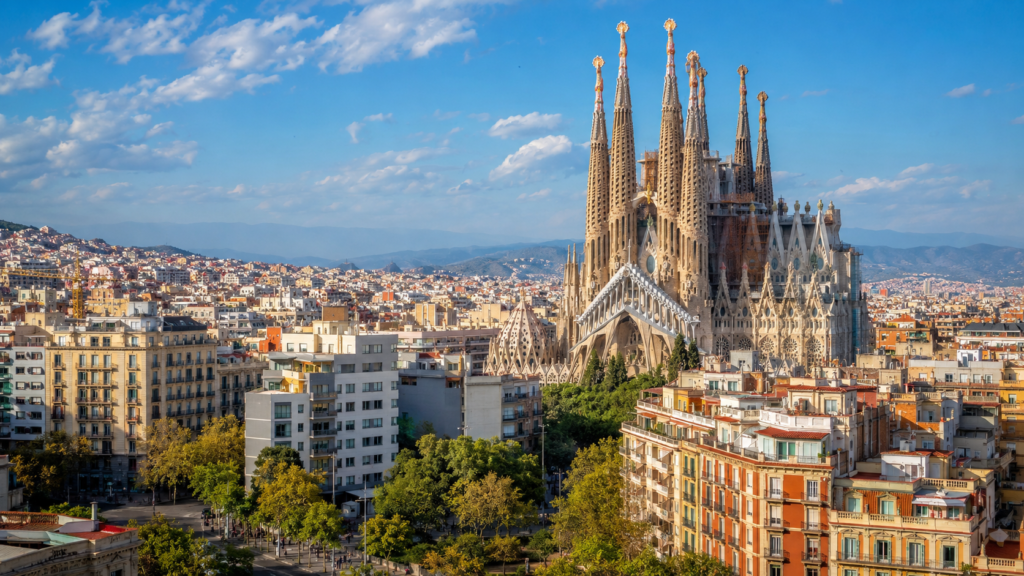
Barcelona combines Mediterranean life with one of Europe’s most recognizable architectural landscapes. Antoni Gaudí’s work gives the city much of its visual identity, with the Sagrada Família, Park Güell, and Casa Batlló among the landmarks that draw visitors from around the world.
Yet Barcelona is more rewarding when you explore beyond its headline attractions. Walk through the narrow streets of the Gothic Quarter, browse the markets and cafés of different neighborhoods, or head toward the waterfront for an evening beside the Mediterranean. Montjuïc offers museums, gardens, and elevated views across the city.
Barcelona suits travelers who want culture, architecture, food, nightlife, and the coast in one destination. Allow several days if possible, especially if you plan to visit major Gaudí sites without rushing.
2. Seville
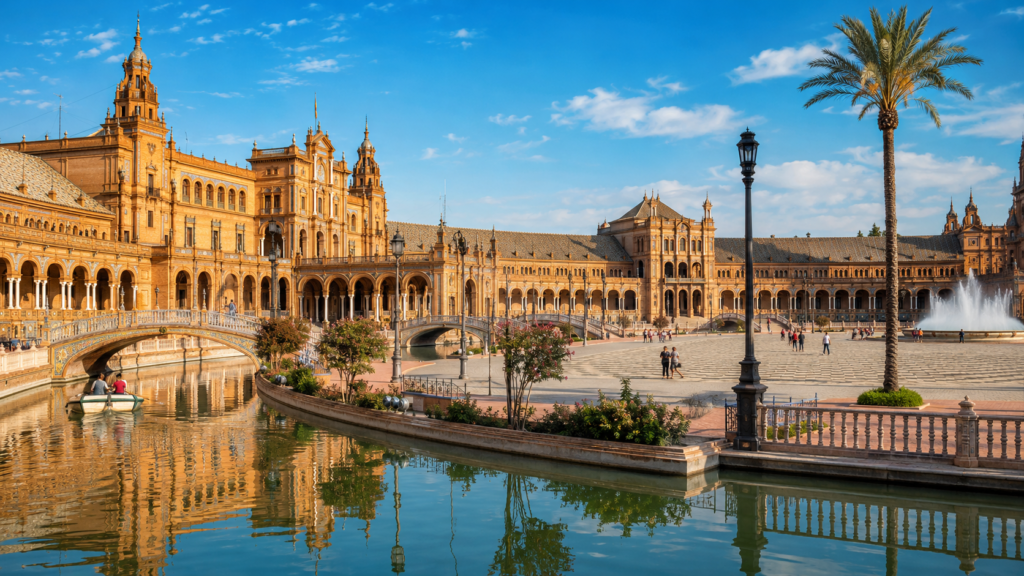
Seville captures much of the atmosphere travelers associate with southern Spain. Orange trees, tiled courtyards, lively plazas, flamenco traditions, and monumental architecture give the Andalusian capital a character that feels distinctly different from Madrid or Barcelona.
The Real Alcázar is one of its essential sights, revealing layers of Islamic, Mudéjar, Gothic, Renaissance, and later architectural influences. Nearby, Seville Cathedral and the Giralda dominate the historic center. Plaza de España provides another striking landmark, while the Santa Cruz district is ideal for wandering through narrow streets and small squares.
Evenings are an important part of experiencing Seville. Tapas bars become busy after sunset, and flamenco performances range from intimate neighborhood venues to larger theaters. Spring is particularly attractive, while midsummer visitors should prepare for intense daytime heat.
3. Granada
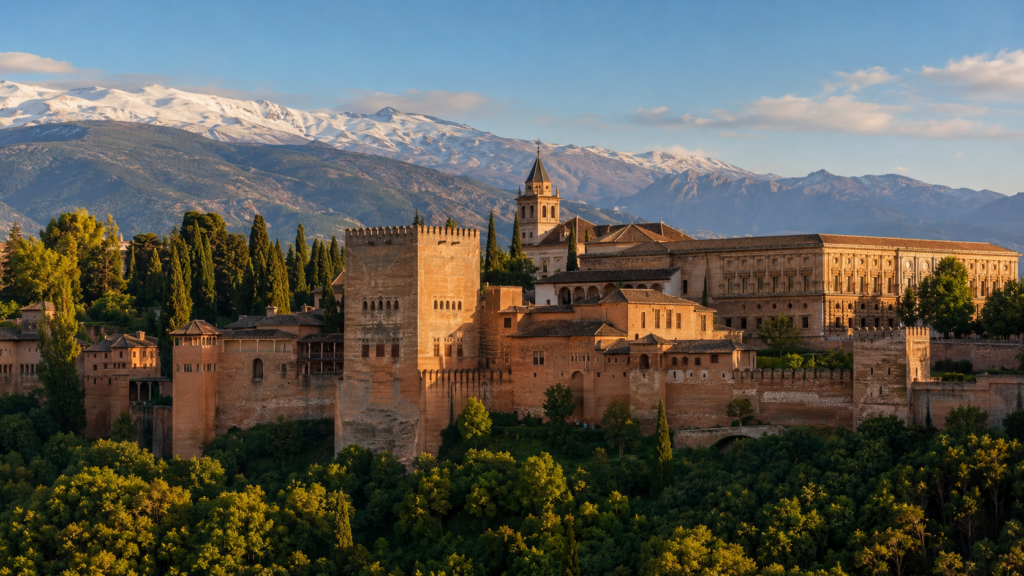
Few places in Spain leave an impression quite like Granada. Set beneath the Sierra Nevada mountains, the city is best known for the Alhambra, the extraordinary palace and fortress complex that reflects the sophistication of the Nasrid dynasty.
The Alhambra deserves several hours rather than a hurried visit. Its decorated palace rooms, courtyards, gardens, fountains, and views across Granada make it one of Spain’s great cultural experiences. Tickets can be limited, so reserving well ahead of your visit is a sensible part of trip planning.
Granada itself has plenty to explore beyond the palace. The Albaicín preserves a maze of steep lanes and whitewashed buildings, with viewpoints overlooking the Alhambra and mountains. Traditional tapas culture adds another reason to stay overnight instead of treating Granada only as a day trip.
4. Madrid
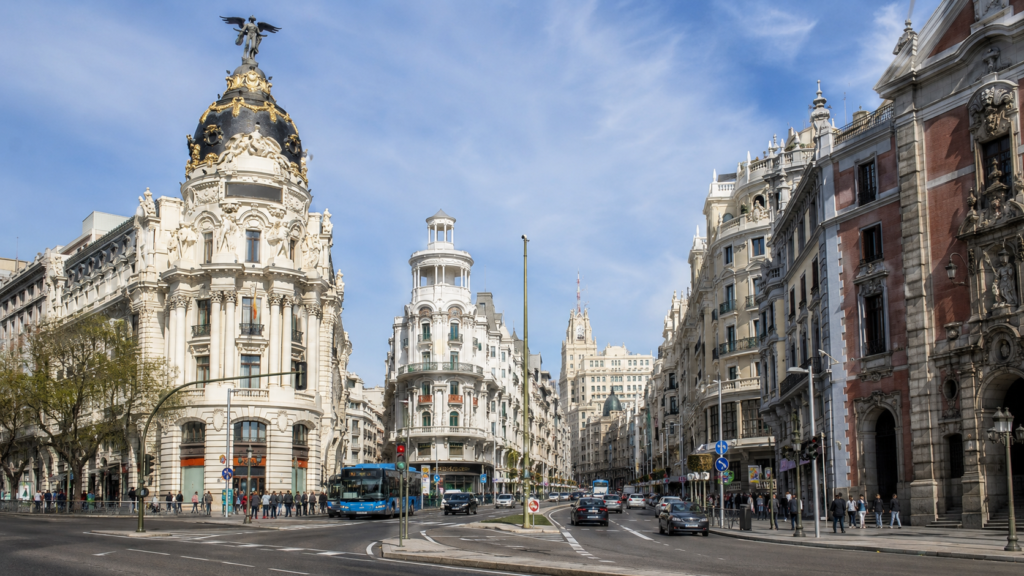
Spain’s capital offers a different experience from the country’s coastal destinations. Madrid is energetic and elegant, with monumental avenues, historic neighborhoods, major art museums, expansive parks, traditional markets, and a food scene that stretches from century-old establishments to contemporary restaurants.
Art lovers can devote substantial time to the Prado Museum, while the nearby Reina Sofía and Thyssen-Bornemisza museums make this part of Madrid one of Europe’s strongest cultural districts. Elsewhere, the Royal Palace, Plaza Mayor, Gran Vía, and Retiro Park reveal different sides of the city.
Madrid is also an excellent base for exploring central Spain. Historic destinations such as Toledo and Segovia can be reached on day trips, while Spain’s rail network makes it easy to continue toward Andalusia, Barcelona, Valencia, and other major cities.
5. Valencia
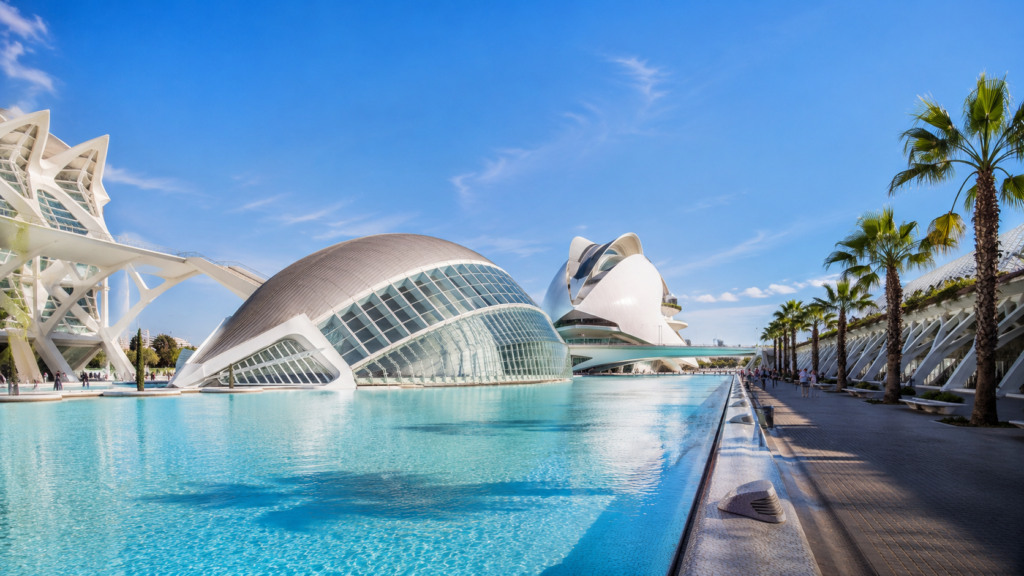
Valencia brings together historic architecture, Mediterranean beaches, modern design, and one of Spain’s strongest food traditions. Its most distinctive landmark is the City of Arts and Sciences, a futuristic complex that contrasts sharply with the narrow streets and centuries-old buildings of the historic center.
The city is also closely associated with paella, which originated in the Valencia region. Trying a traditional version at a local restaurant is as much a part of the experience as visiting the Central Market or walking through the old town. When you want a break from sightseeing, the Turia Garden provides a long green corridor through the city, while beaches such as Malvarrosa are easily accessible from the center.
Valencia is especially appealing to travelers who want the attractions of a major Spanish city without relying entirely on Madrid or Barcelona.
6. Córdoba
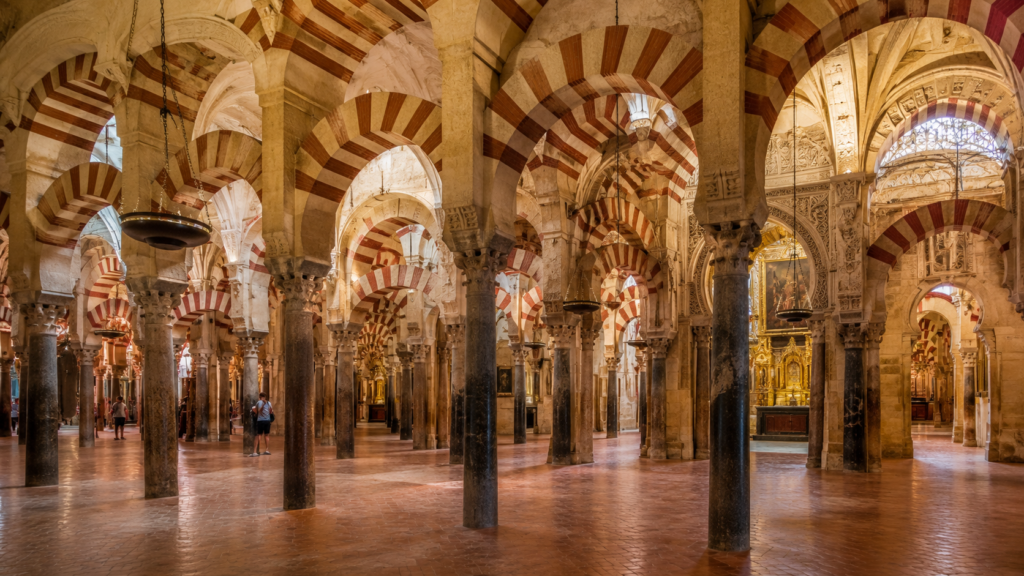
Córdoba offers one of the clearest examples of Spain’s layered cultural history. Its centerpiece is the Mosque-Cathedral, where rows of distinctive arches and later Christian additions reflect centuries of religious and architectural change.
The surrounding historic quarter deserves time as well. Whitewashed lanes, flower-filled patios, small squares, and the old Jewish Quarter make central Córdoba particularly enjoyable on foot. The Roman Bridge provides another perspective on the city, especially in the softer light of early morning or evening.
Córdoba can be visited as a day trip from Seville or Málaga, but an overnight stay offers a quieter experience after many daytime visitors have left. Late spring is famous for the city’s courtyard traditions, although travelers should remember that temperatures in Andalusia can become extremely high during the summer months.
7. San Sebastián
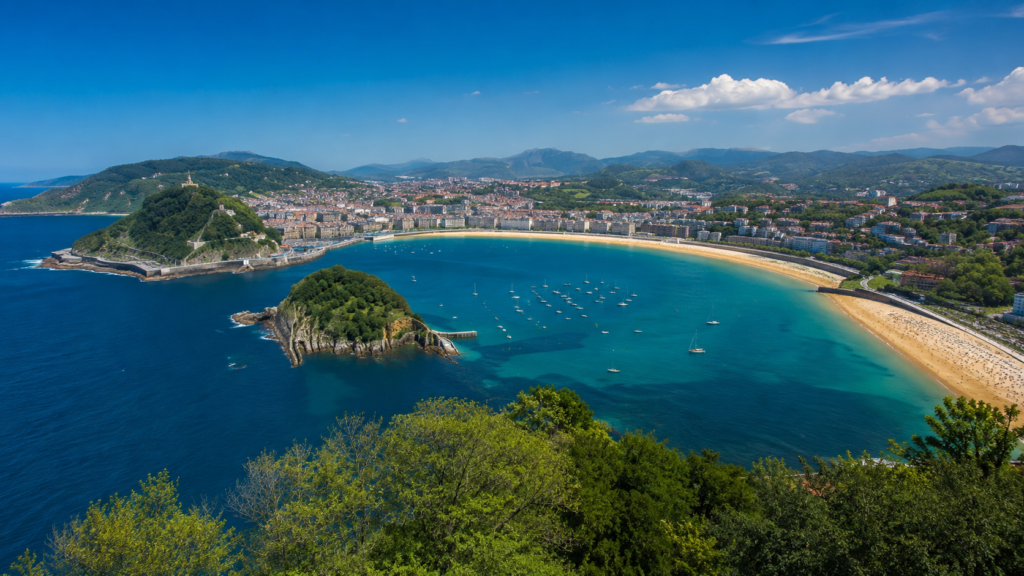
On Spain’s northern coast, San Sebastián combines an elegant cityscape with beaches and an exceptional culinary culture. La Concha Bay forms the city’s natural centerpiece, creating a broad waterfront where visitors can walk, swim, or simply enjoy views across the bay.
Food is equally important here. The narrow streets of the Old Town are packed with bars serving pintxos, small dishes that encourage visitors to move between establishments and sample different specialties. The city is also known internationally for its ambitious restaurant scene.
San Sebastián makes an excellent introduction to the Basque Country, particularly for travelers interested in gastronomy and coastal scenery. The surrounding region adds fishing villages, green hills, and dramatic sections of Atlantic coastline, making the city a strong base for exploring beyond the urban center.
8. Mallorca
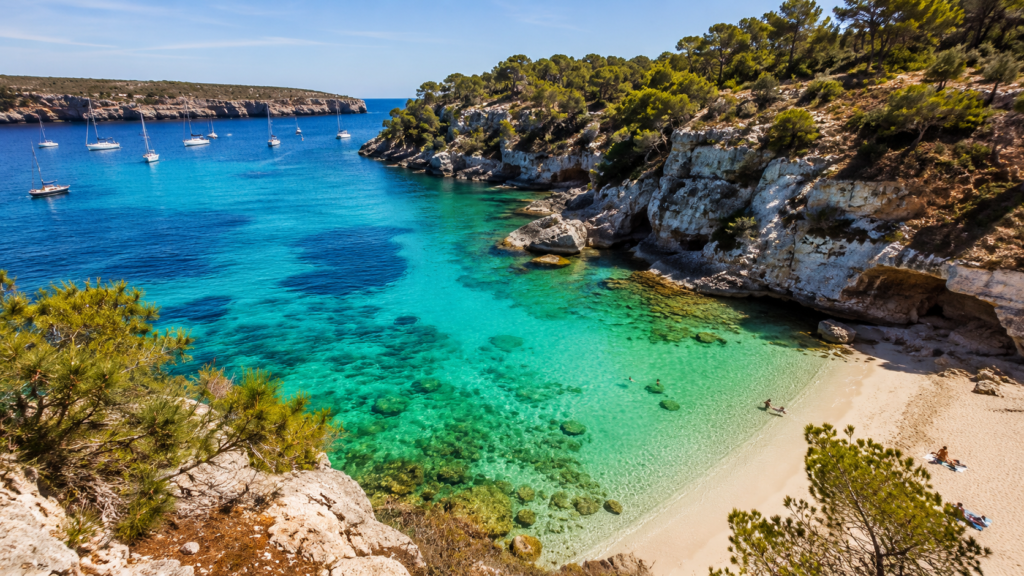
Mallorca offers much more than a traditional Mediterranean beach holiday. The largest of Spain’s Balearic Islands combines turquoise coves and long beaches with limestone mountains, stone villages, historic towns, and scenic coastal roads.
Palma provides the cultural starting point, dominated by its Gothic cathedral and atmospheric old streets. Away from the capital, the Serra de Tramuntana reveals a different side of the island, with mountain landscapes, hiking routes, and villages such as Valldemossa and Deià. Along the coast, small coves provide alternatives to the island’s busier resort areas.
Renting a car can be useful for reaching remote beaches and mountain communities, although popular roads and parking areas become busy in summer. Travelers seeking a more relaxed experience should consider visiting outside the peak July and August period.
9. Santiago de Compostela
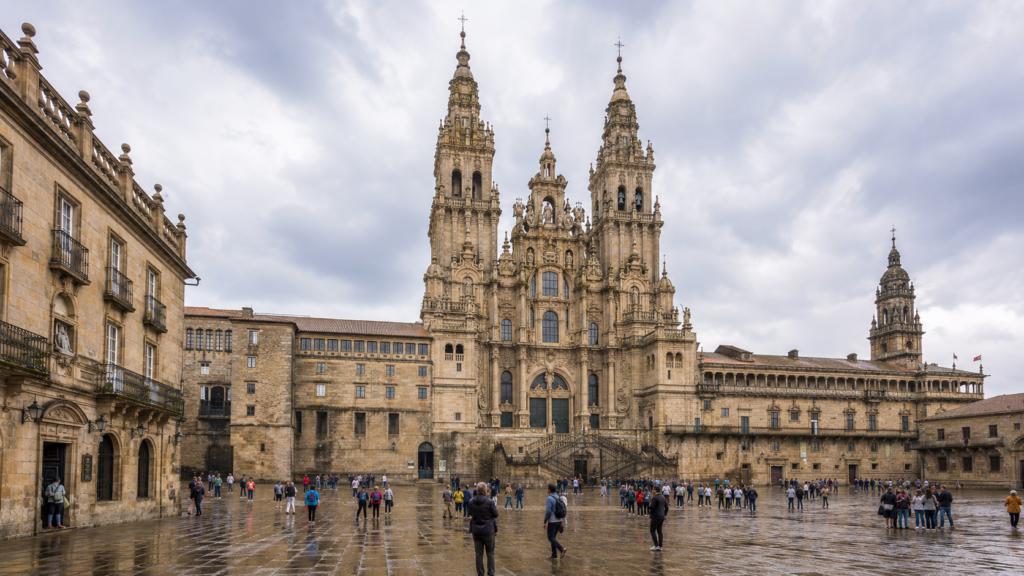
Santiago de Compostela has welcomed pilgrims for centuries as the traditional endpoint of the Camino de Santiago. Its historic center is built around the Cathedral of Santiago, where travelers completing different Camino routes gather in the broad Praza do Obradoiro.
You do not need to walk the full pilgrimage to appreciate the city. Granite streets, arcaded squares, churches, markets, and traditional restaurants give Santiago a distinctive atmosphere shaped by both Galician culture and its long connection with the Camino.
The surrounding region also makes this stop different from destinations in central and southern Spain. Galicia is greener, cooler, and strongly connected to the Atlantic, with seafood playing an important role in its cuisine. Santiago is therefore a rewarding choice for travelers wanting to experience a less Mediterranean side of the country.
10. Tenerife
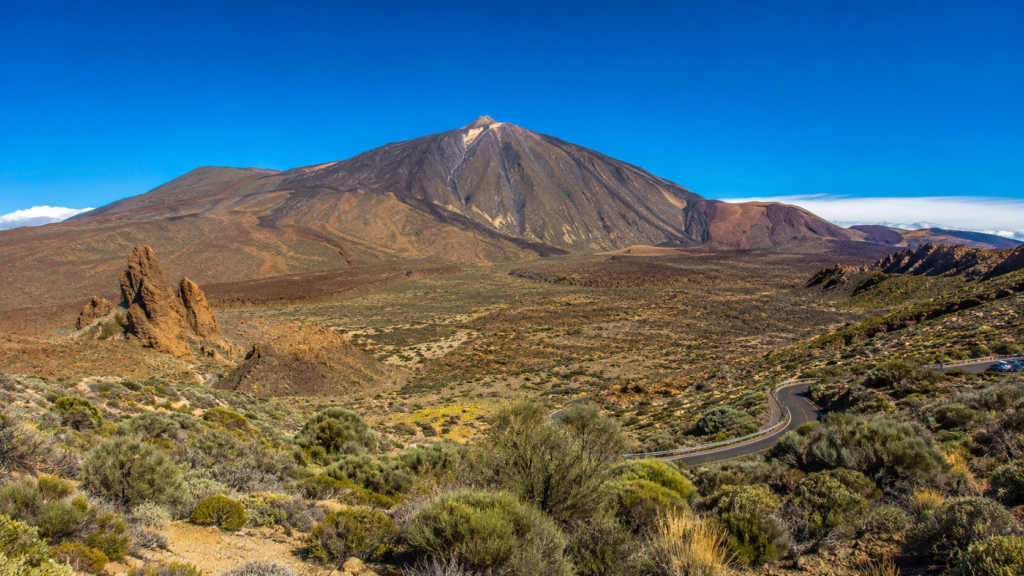
Tenerife adds volcanic scenery and subtropical landscapes to a Spain itinerary. The largest of the Canary Islands is dominated by Mount Teide, Spain’s highest peak, surrounded by an extraordinary high-altitude landscape of lava formations, volcanic rock, and open terrain.
The island changes dramatically as you travel between regions. Visitors can explore beaches and coastal towns, walk through mountain landscapes, discover traditional communities, or head into greener areas in the north. This diversity makes Tenerife particularly suitable for travelers who prefer an active island holiday rather than spending every day at a resort.
Its location off the northwest coast of Africa also gives Tenerife a different climate from mainland Spain. Mild conditions throughout much of the year make the Canary Islands especially attractive for winter sunshine and outdoor activities.
Best Time to Visit Spain
Spring from April to June and autumn from September to October are excellent periods for many travelers, with generally comfortable temperatures for sightseeing and fewer extremes than midsummer. These seasons work particularly well for cities, cultural trips, hiking, and exploring inland regions.
Summer is ideal for Mediterranean beaches and the islands, but popular destinations can be crowded and southern Spain may experience intense heat. Winter brings quieter city breaks and opportunities for skiing in mountain areas, while the Canary Islands remain a popular choice for milder weather and winter sunshine.
Because Spain covers several climate zones, the best month ultimately depends on the regions you plan to visit.
Local Food You Should Try
Spanish cuisine changes considerably between regions, making food an important part of traveling around the country. Mediterranean ingredients, seafood, cured meats, rice, olive oil, and regional cooking traditions appear in very different forms depending on where you travel.
Paella Valenciana – Originating in Valencia, traditional paella is a rice dish prepared in a wide shallow pan. Authentic local versions differ from many seafood-heavy interpretations served outside the region.
Jamón Ibérico – One of Spain’s best-known foods, this cured ham is valued for its rich flavor and delicate texture. Quality and production methods vary, so specialist markets and traditional bars are good places to explore different varieties.
Tortilla Española – A simple but classic combination of eggs and potatoes, often with onion depending on local and personal preference. It is commonly served as a tapa or casual meal.
Gazpacho – Particularly associated with Andalusia, this chilled tomato-based soup is refreshing during the hot southern summer.
Pulpo a la Gallega – A Galician specialty of cooked octopus typically seasoned with olive oil, salt, and paprika. It reflects Galicia’s strong connection to Atlantic seafood.
Pintxos – Closely associated with the Basque Country, pintxos range from simple bites to elaborate miniature dishes displayed across bar counters. San Sebastián is one of the best-known destinations for experiencing this style of eating.
Patatas Bravas – Fried potatoes served with a flavorful sauce are a familiar sight in tapas bars and an easy dish to share while exploring Spain’s casual dining culture.
Churros con Chocolate – Crisp fried dough served with thick hot chocolate remains a popular sweet treat, whether eaten for breakfast, an afternoon snack, or after a late night.
Transportation
Getting around Spain is relatively easy, especially between major cities. High-speed and long-distance trains connect destinations such as Madrid, Barcelona, Valencia, Seville, Córdoba, and other important urban centers, making rail a convenient option for multi-city trips. Buses can be useful for smaller towns and routes with limited train connections.
Renting a car makes more sense when exploring rural areas, mountain regions, small villages, or sections of the coast where public transportation is less convenient. Madrid, Barcelona, Valencia, and other large cities have extensive public transport systems, so a car is usually unnecessary within urban areas. For the Balearic and Canary Islands, flights and ferries provide the main connections with mainland Spain and between selected islands.
Accommodation
Spain has accommodation for a wide range of budgets, including hotels, hostels, apartments, rural houses, campsites, and boutique properties. One distinctive option is the Parador network, where travelers can stay in historic buildings such as castles, palaces, and monasteries converted into hotels.
Prices are generally higher in popular destinations and during major festivals, summer holidays, and other peak travel periods. Coastal resorts and islands can become particularly busy in summer, so booking early is recommended if you are traveling during high season or have a specific neighborhood or property in mind.
Practical Travel Tips
- Currency: Spain uses the euro (€), and credit or debit cards are widely accepted in cities and tourist areas.
- Language: Spanish is spoken throughout the country, while Catalan, Galician, Basque, and other regional languages are also used in their respective areas.
- Book major attractions early: Popular sites such as the Alhambra and Sagrada Família can have limited availability, particularly during busy travel periods.
- Expect later meal times: Lunch and dinner are often eaten later than in many other countries, especially dinner.
- Watch your belongings: Take normal precautions with phones, wallets, and bags in crowded tourist areas and on public transportation.
- Plan around summer heat: Inland and southern destinations can become extremely hot during July and August, making early-morning and evening sightseeing more comfortable.
- Consider trains before renting a car: Rail is often more convenient between major cities, while a rental car becomes more useful for rural destinations and road trips.
- Check regional schedules: Public holidays, festivals, and local opening hours can affect transportation, attractions, restaurants, and shops.
Frequently Asked Questions
Is Spain expensive to visit?
Spain can suit different budgets. Madrid, Barcelona, popular islands, and major coastal destinations tend to cost more, while smaller cities and inland regions can offer better value.
How many days should I spend in Spain?
Around 10 to 14 days gives first-time visitors enough time to combine several major destinations without moving every day. Longer trips are worthwhile if you want to explore multiple regions.
When is the best time to visit Spain?
Spring and autumn are excellent for sightseeing in much of Spain because temperatures are generally more comfortable. Summer works well for beaches and islands, while the Canary Islands are popular for winter sunshine.
Do I need to rent a car in Spain?
Not for a trip focused on major cities. A rental car is more useful for rural areas, mountain regions, remote beaches, and itineraries involving smaller towns.
Is Spain family-friendly?
Yes. Beaches, parks, historic attractions, walkable city centers, family-oriented resorts, and a wide range of outdoor activities make Spain suitable for trips with children.
Which places are best for first-time visitors?
Barcelona, Madrid, Seville, and Granada provide a strong introduction to Spain’s cities, architecture, history, and culture. Adding Valencia, Mallorca, or a northern destination can make the itinerary more varied.
Official Tourism Website
For official destination information, practical travel advice, transportation guidance, events, and trip-planning resources, visit spain.info
Related Destinations
Best Places to Visit in France in 2026
Continue north across the border to explore historic cities, Mediterranean landscapes, Alpine scenery, and the French countryside.
Places to Visit in Italy in 2026
Combine Spain with another Southern European destination known for historic cities, regional cuisine, dramatic coastlines, and cultural heritage.
Best Places to Visit in Paris in 2026
Add one of Europe’s most popular city destinations to a longer Spain and France itinerary.
Best Places to Visit in Italy in 2026
For a different European experience, explore Ireland’s green landscapes, Atlantic coastline, historic towns, and lively cities.