

France has long been one of the world’s most celebrated travel destinations, welcoming millions of visitors every year with its remarkable blend of history, culture, landscapes, and gastronomy. While many travelers immediately think of Paris, the country offers far more than its iconic capital. From lavender fields stretching across Provence to medieval villages perched on hilltops, dramatic coastal cliffs, alpine resorts, and world-famous wine regions, France rewards visitors with extraordinary diversity.
Whether you’re planning your first European vacation or returning to discover new regions, France offers experiences for every type of traveler. History lovers can explore centuries-old castles and UNESCO World Heritage Sites. Nature enthusiasts can hike through the French Alps or relax along the sparkling Mediterranean coastline. Food lovers will find unforgettable regional specialties, while art and architecture enthusiasts can admire everything from Roman ruins to Gothic cathedrals.
This guide highlights the best places to visit in France in 2026, helping you discover destinations that showcase the country’s incredible variety beyond the familiar landmarks. If your itinerary includes the capital, don’t miss our dedicated guide to Best Places to Visit in Paris in 2026, where you’ll find a complete itinerary for exploring the City of Light.
Why Visit France?
France remains one of Europe’s most rewarding destinations because every region has its own personality. Traveling from north to south often feels like visiting several different countries in a single trip.
One day you could be walking along dramatic Atlantic cliffs in Normandy. The next, you might be tasting world-famous wines in Bordeaux, exploring colorful canals in Strasbourg, or enjoying the sunshine along the French Riviera.
Several reasons make France an exceptional destination in 2026:
- Incredible historical landmarks spanning more than 2,000 years
- Diverse landscapes including mountains, beaches, vineyards, forests, and countryside
- Some of the world’s finest museums, castles, and cathedrals
- Outstanding regional cuisine and internationally renowned wines
- Excellent transportation network connecting every major destination
- Charming villages that preserve authentic French traditions
- Four distinct seasons, each offering unique travel experiences
France is also an ideal country for slow travel. Rather than rushing between famous attractions, visitors can spend time exploring local markets, relaxing at cafés, discovering regional festivals, and enjoying scenic train journeys through beautiful countryside.
If you’re planning a broader European adventure, you may also enjoy our guides to Best Places to Visit in Amsterdam in 2026, Best Places to Visit in Ireland in 2026, and Best Places to Visit in Iceland in 2026, all featuring detailed itineraries and travel advice.
Top 10 Places to Visit in France
1. French Riviera (Côte d’Azur)
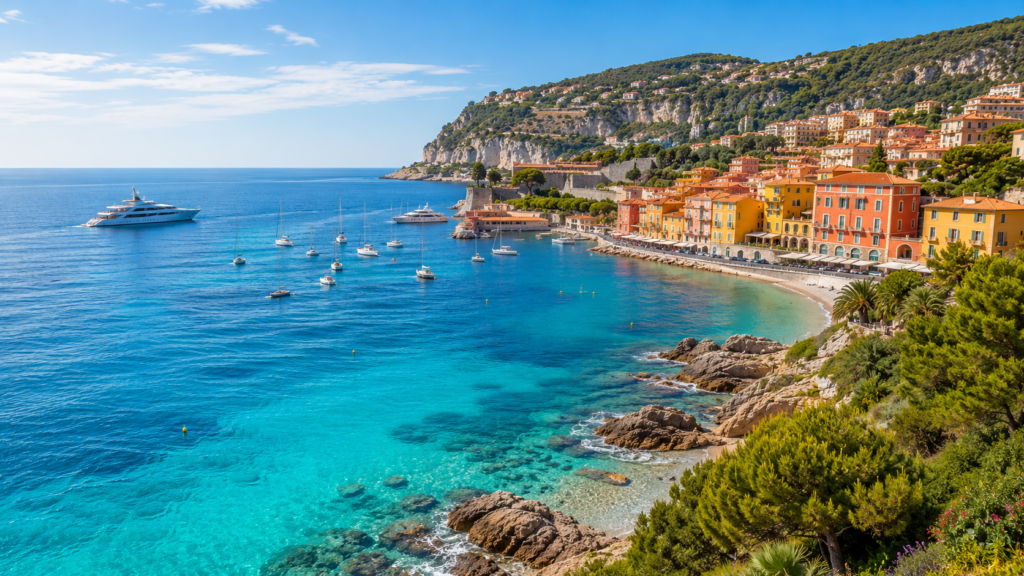
Stretching along France’s southeastern Mediterranean coast, the French Riviera combines glamorous seaside resorts with charming historic towns and breathtaking coastal scenery. Famous destinations such as Nice, Cannes, Antibes, and Saint-Tropez each offer a unique atmosphere, from lively promenades to peaceful old harbors.
Visitors can stroll along Nice’s Promenade des Anglais, explore colorful local markets, swim in crystal-clear waters, or take scenic drives overlooking the Mediterranean Sea. Art lovers will also appreciate the region’s many museums dedicated to artists inspired by the Riviera’s remarkable light.
The French Riviera is especially beautiful between late spring and early autumn when outdoor cafés, beaches, and waterfront promenades are full of life.
2. Mont Saint-Michel

Rising dramatically from tidal waters off the Normandy coast, Mont Saint-Michel is one of France’s most iconic landmarks and a UNESCO World Heritage Site.
The medieval abbey sits atop a rocky island connected to the mainland by a modern causeway, creating one of Europe’s most unforgettable views. During high tide, the island appears to float above the sea, while low tide reveals vast stretches of sand surrounding the historic complex.
Visitors can wander through narrow medieval streets lined with stone houses, climb to the magnificent abbey, and enjoy panoramic views across Normandy’s unique coastal landscape.
Its combination of history, architecture, and natural beauty makes Mont Saint-Michel an essential stop on any journey through France.
3. Provence
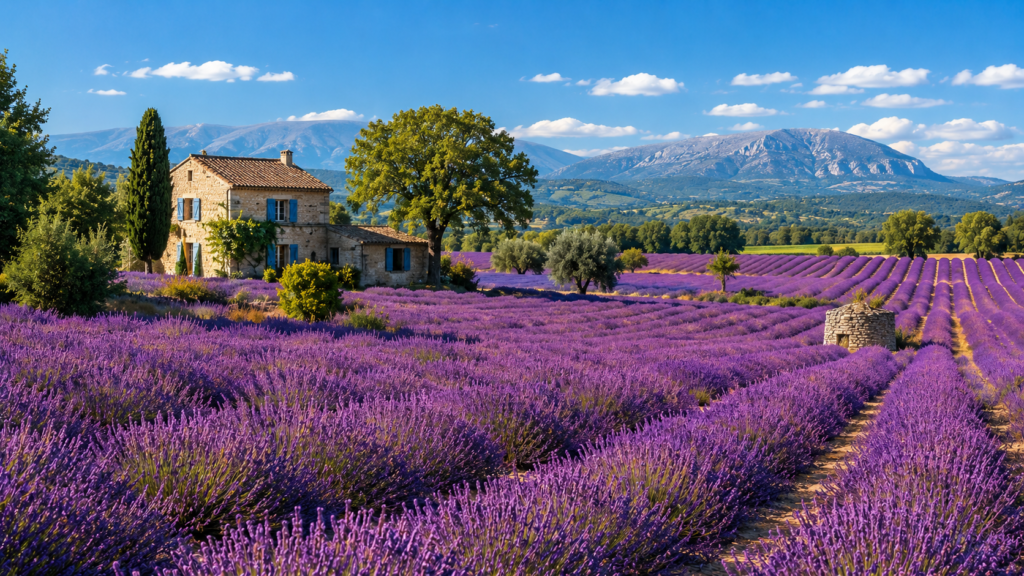
Few regions capture the romantic image of southern France quite like Provence. Known for rolling vineyards, fragrant lavender fields, olive groves, and picturesque hilltop villages, Provence offers an authentic countryside experience unlike anywhere else in Europe.
Towns such as Gordes, Roussillon, and Saint-Rémy-de-Provence showcase traditional stone architecture, colorful markets, and relaxed village life.
During summer, endless purple lavender fields create spectacular scenery that attracts photographers from around the world. Beyond the famous landscapes, Provence also offers excellent hiking, Roman ruins, local wineries, and exceptional Provençal cuisine.
4. Loire Valley

Often called the “Garden of France,” the Loire Valley is famous for its magnificent Renaissance castles, peaceful rivers, and elegant vineyards.
More than 300 historic châteaux are scattered throughout the region, including Château de Chambord, Château de Chenonceau, and Château d’Amboise. Each tells a fascinating story of French royalty and aristocratic life.
Cycling routes, wine tasting tours, charming riverside villages, and beautiful gardens make the Loire Valley one of France’s most relaxing destinations for travelers seeking culture and nature together.
5. Strasbourg

Located near the German border, Strasbourg is one of France’s most distinctive cities, blending French elegance with German influences. Its beautifully preserved Old Town, known as Grande Île, is a UNESCO World Heritage Site filled with timber-framed houses, flower-lined canals, and cobblestone streets.
The magnificent Strasbourg Cathedral dominates the skyline with its intricate Gothic architecture and impressive astronomical clock. Nearby, the picturesque La Petite France district offers charming cafés, traditional restaurants, and scenic waterfront walks.
Beyond its historic charm, Strasbourg is also home to several important European institutions, giving the city a lively international atmosphere throughout the year.
6. Bordeaux

Bordeaux is internationally recognized as one of the world’s finest wine capitals, but the city itself is equally impressive. Elegant 18th-century architecture, spacious public squares, and a vibrant riverside promenade make Bordeaux one of France’s most attractive urban destinations.
Visitors can explore the historic city center, visit the immersive Cité du Vin museum, enjoy wine tastings at nearby vineyards, or take a relaxing cruise along the Garonne River.
Even travelers with little interest in wine often fall in love with Bordeaux’s sophisticated atmosphere, excellent restaurants, and beautiful public spaces.
7. Lyon
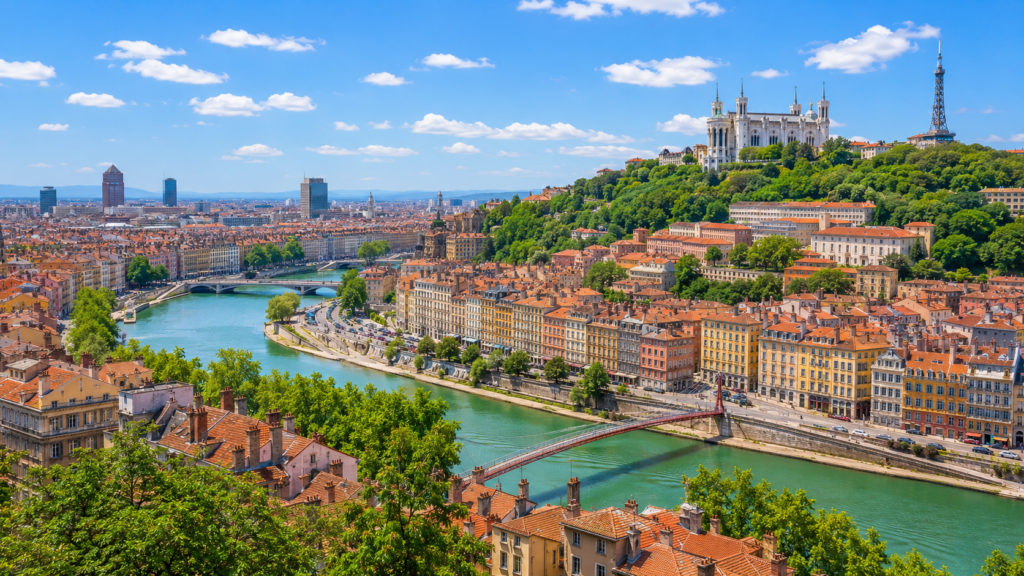
Often considered France’s culinary capital, Lyon offers an exceptional combination of gastronomy, history, and culture.
Its UNESCO-listed Old Town features Renaissance buildings, hidden passageways known as traboules, lively squares, and centuries-old churches. Food lovers can enjoy authentic local cuisine in traditional bouchons, where regional specialties have been served for generations.
The city also boasts excellent museums, scenic riverbanks, and panoramic viewpoints from Fourvière Hill overlooking the entire metropolitan area.
Compared with larger tourist hotspots, Lyon offers a more relaxed pace while delivering equally memorable experiences.
8. Annecy
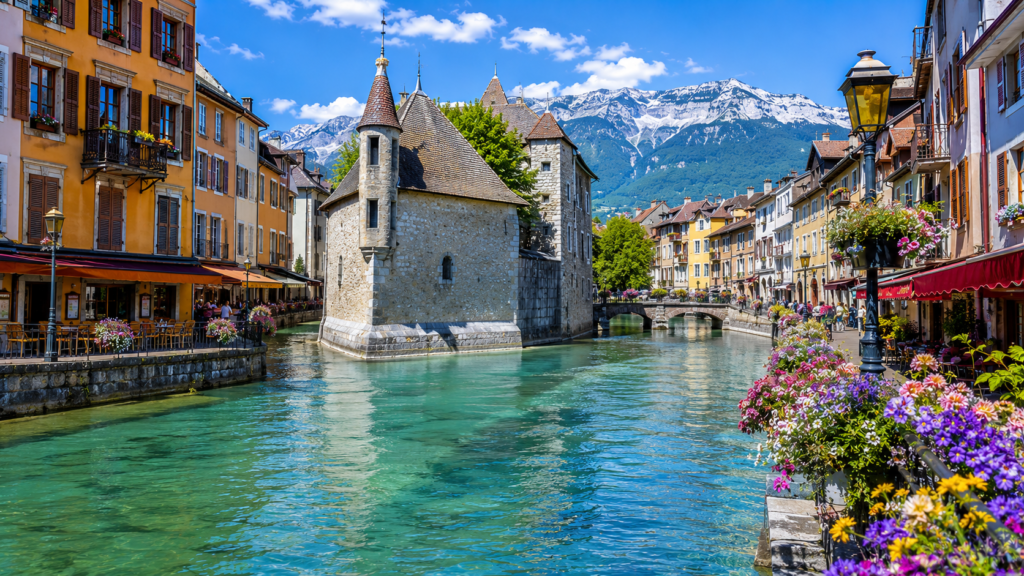
Nicknamed the “Venice of the Alps,” Annecy is famous for its crystal-clear lake, colorful canals, and spectacular mountain scenery.
The historic Old Town is filled with pastel-colored buildings, flower-covered bridges, and lively cafés that create a postcard-perfect atmosphere throughout the year.
Lake Annecy is considered one of Europe’s cleanest lakes, making it ideal for swimming, kayaking, paddleboarding, cycling, or simply relaxing along the waterfront.
Whether you visit in summer for outdoor activities or in winter when nearby ski resorts are in full swing, Annecy offers unforgettable scenery in every season.
9. Normandy
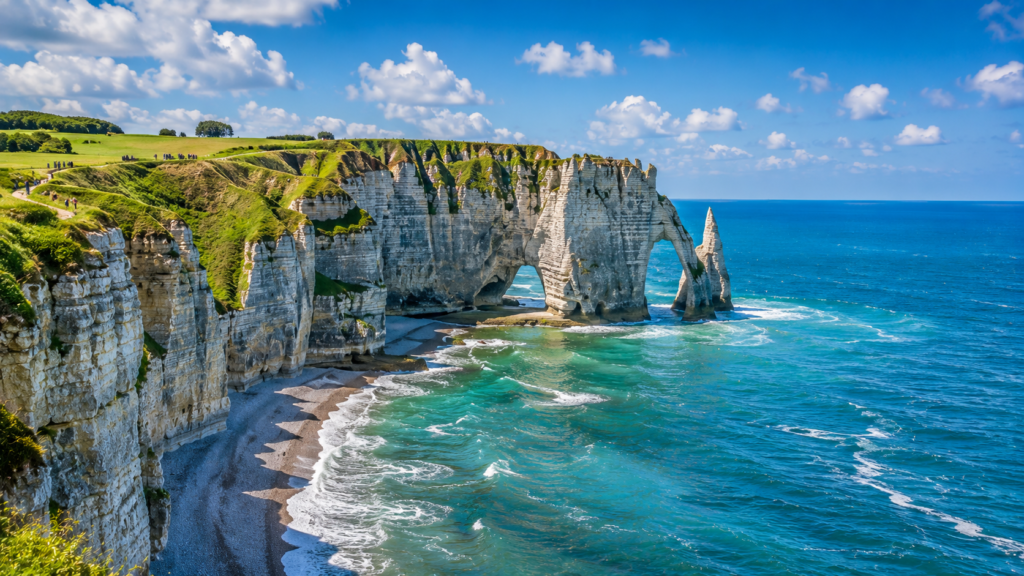
Normandy combines dramatic coastal landscapes with some of Europe’s most important historical sites.
The famous D-Day landing beaches attract visitors interested in World War II history, while charming fishing villages such as Honfleur showcase the region’s maritime heritage.
Visitors can admire the striking white cliffs of Étretat, tour historic memorial museums, sample fresh seafood, and enjoy peaceful countryside dotted with apple orchards and traditional farms.
Normandy is an excellent destination for travelers seeking both history and natural beauty within easy reach of Paris.
10. French Alps
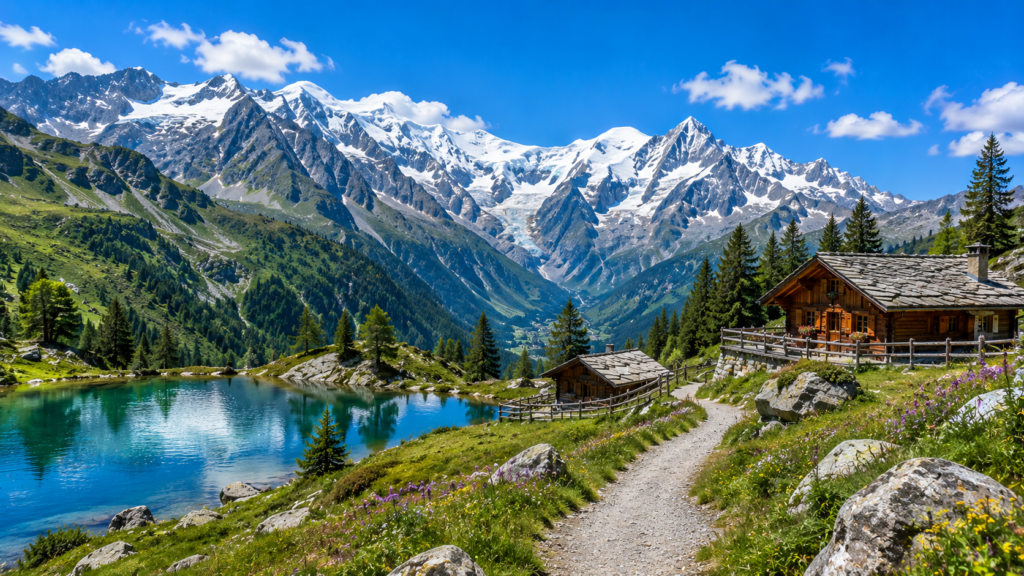
The French Alps provide year-round adventures for outdoor enthusiasts.
During winter, world-famous resorts such as Chamonix, Val d’Isère, and Courchevel attract skiers and snowboarders from across the globe. In summer, the mountains transform into a paradise for hiking, cycling, climbing, and wildlife watching.
The spectacular Mont Blanc, Western Europe’s highest mountain, dominates the landscape with breathtaking alpine scenery.
Even visitors who aren’t interested in sports will appreciate scenic cable car rides, charming mountain villages, crystal-clear lakes, and panoramic viewpoints that make the French Alps one of the country’s most impressive natural destinations.
Best Time to Visit France
France is a year-round destination, but the best time to visit depends on the experiences you’re looking for.
Spring (March–May)
Spring brings mild temperatures, blooming gardens, and fewer crowds than summer. Cities become vibrant again after winter, making it an excellent season for sightseeing, countryside drives, and outdoor cafés.
Summer (June–August)
Summer (June–August)
Summer is the busiest travel season. Warm weather makes it perfect for visiting the French Riviera, Provence’s lavender fields, and coastal destinations. Expect larger crowds at major attractions and higher accommodation prices.
Autumn (September–November)
Autumn offers comfortable temperatures, colorful vineyards, and harvest festivals across many wine regions. It’s an ideal season for food lovers, photographers, and travelers seeking a quieter experience.
Winter (December–February)
Winter transforms France into two very different destinations. Christmas markets fill cities such as Strasbourg with festive charm, while the French Alps become one of Europe’s premier skiing destinations.
Local Food You Should Try
French cuisine varies dramatically from region to region, making food one of the country’s greatest travel experiences.
Croissant
A buttery, flaky pastry that remains one of France’s most iconic breakfast traditions.
Coq au Vin
A classic dish of chicken slowly braised with red wine, mushrooms, onions, and herbs.
Bouillabaisse
Originally from Marseille, this rich seafood stew combines fresh Mediterranean fish with aromatic herbs and saffron.
Ratatouille
A colorful vegetable dish from Provence featuring tomatoes, zucchini, eggplant, peppers, and herbs.
Cassoulet
A hearty slow-cooked casserole from southwestern France made with white beans, duck confit, and sausage.
French Cheese
France produces hundreds of cheese varieties, from creamy Brie and Camembert to robust Roquefort and Comté.
Macarons
These delicate almond cookies filled with flavored cream have become one of France’s most recognizable desserts.
Crêpes
Available in both sweet and savory versions, crêpes can be enjoyed almost anywhere in the country, from street markets to elegant cafés.
Transportation
Getting around France is easy thanks to one of Europe’s most efficient transportation networks.
High-Speed Trains (TGV)
France’s TGV network connects major cities such as Paris, Lyon, Bordeaux, Strasbourg, Marseille, Lille, and Nice in just a few hours. Traveling by train is often the fastest and most comfortable option for long-distance journeys.
Regional Trains
Regional TER services connect smaller towns and villages, making it easy to explore destinations like Annecy, Provence, or the Loire Valley without renting a car.
Rental Cars
If you plan to visit rural areas, wine regions, or mountain villages, renting a car provides much greater flexibility. It’s especially useful in Provence, Normandy, and the Loire Valley, where many attractions are spread across the countryside.
Domestic Flights
Domestic flights are available between major cities, although trains are often faster when airport transfers and security checks are considered.
Public Transportation
Cities such as Lyon, Strasbourg, Bordeaux, Nice, and Marseille offer excellent tram, metro, and bus systems. Purchasing a day pass is often the most economical option for sightseeing.
Accommodation
France offers accommodations for every travel style and budget.
Luxury Hotels
Luxury travelers will find five-star hotels, elegant spa resorts, and historic palace hotels throughout the country, particularly along the French Riviera, in Paris, and in prestigious wine regions.
Boutique Hotels
Boutique properties are popular in historic city centers, offering stylish rooms with local character and personalized service.
Countryside Guesthouses
Traditional guesthouses and converted farmhouses provide an authentic experience in Provence, Normandy, and the Loire Valley. Many include homemade breakfasts and beautiful gardens.
Apartments
Vacation apartments are ideal for families or longer stays, especially in cities where travelers appreciate having a kitchen and additional living space.
Mountain Lodges
Visitors exploring the French Alps can choose from cozy alpine chalets, ski resorts, and family-run mountain hotels with spectacular scenery.
Booking several months in advance is recommended for summer travel, Christmas markets, and the winter ski season.
Practical Travel Tips
Practical Travel Tips
- Carry a contactless payment card, although small amounts of cash are still useful in local markets and rural villages.
- Learning a few basic French phrases is appreciated, especially outside major tourist areas.
- Reserve popular attractions well in advance during peak travel months.
- Validate train tickets when required and always arrive early for high-speed rail departures.
- Pack comfortable walking shoes, as many historic districts feature cobblestone streets.
- Summer temperatures can be very warm in southern France, while alpine regions remain much cooler throughout the year.
- Travel insurance is recommended for peace of mind, particularly if you plan to hike or participate in winter sports.
- Respect local customs by greeting shopkeepers with a polite “Bonjour” when entering smaller businesses.
Frequently Asked Questions
Is France expensive to visit?
France can suit nearly every budget. Major tourist cities tend to be more expensive, while smaller towns and rural regions often offer better value.
How many days should I spend in France?
A first-time visit usually benefits from at least 10 to 14 days, allowing enough time to experience several different regions rather than focusing on only one city.
Do I need to speak French?
No. English is commonly spoken in major tourist destinations, hotels, and transportation hubs. However, knowing a few simple French expressions makes interactions easier and is appreciated by locals.
When is the best month to visit France?
May, June, September, and early October are generally considered the best months thanks to pleasant weather and fewer crowds than peak summer.
Is France suitable for family travel?
Absolutely. Families can enjoy castles, beaches, theme parks, mountain resorts, museums, lakes, cycling routes, and charming villages across the country.
Is renting a car necessary?
Not always. High-speed trains efficiently connect major destinations, but renting a car is highly recommended if you plan to explore the countryside, vineyards, or remote villages.
Official Tourism Website
For the latest travel information, regional inspiration, and official visitor resources, visit the official France tourism website:
France.fr (Official Tourism Website): France.fr
Related Destinations
If you’re planning a longer European adventure, you may also enjoy these Velkeno guides: