

Germany combines historic cities, medieval towns, fairy-tale castles, forested mountains, river valleys, and a remarkably diverse regional culture. Travelers can explore world-class museums in Berlin, experience traditional Bavarian life in Munich, wander through centuries-old towns, or escape into landscapes filled with lakes, forests, and Alpine peaks.
The country’s variety makes it especially rewarding for a longer European trip. Northern Germany offers maritime cities and coastal influences, central regions are known for castles, forests, and historic towns, while the south brings Alpine scenery, traditional villages, and some of Germany’s most recognizable landmarks. An extensive transportation network also makes it relatively easy to combine several regions within one itinerary.
This guide covers the best places to visit in Germany in 2026, balancing major cities with castles, historic towns, scenic routes, and natural landscapes. Whether you are interested in history, architecture, food, culture, or outdoor experiences, these destinations reveal how much Germany has to offer beyond its largest cities.
Why Visit Germany?
Germany offers an impressive combination of history, culture, architecture, and nature. Major cities contain internationally important museums, monuments, galleries, and historic districts, while smaller towns preserve medieval streets, traditional houses, castles, and regional customs.
The landscapes are equally varied. Travelers can hike through the Black Forest, explore the Bavarian Alps, follow scenic river valleys, visit lakes and vineyards, or travel between picturesque towns along famous driving routes. Each region has its own traditions, architecture, cuisine, and local identity, making journeys across the country feel surprisingly diverse.
Germany is also well suited to independent travel. Fast intercity trains connect major destinations, while regional railways and buses provide access to smaller communities. Visitors can build anything from a short Berlin city break to a multi-week itinerary combining cities, castles, countryside, and mountain regions.
Top 10 Places to Visit in Germany
1. Berlin
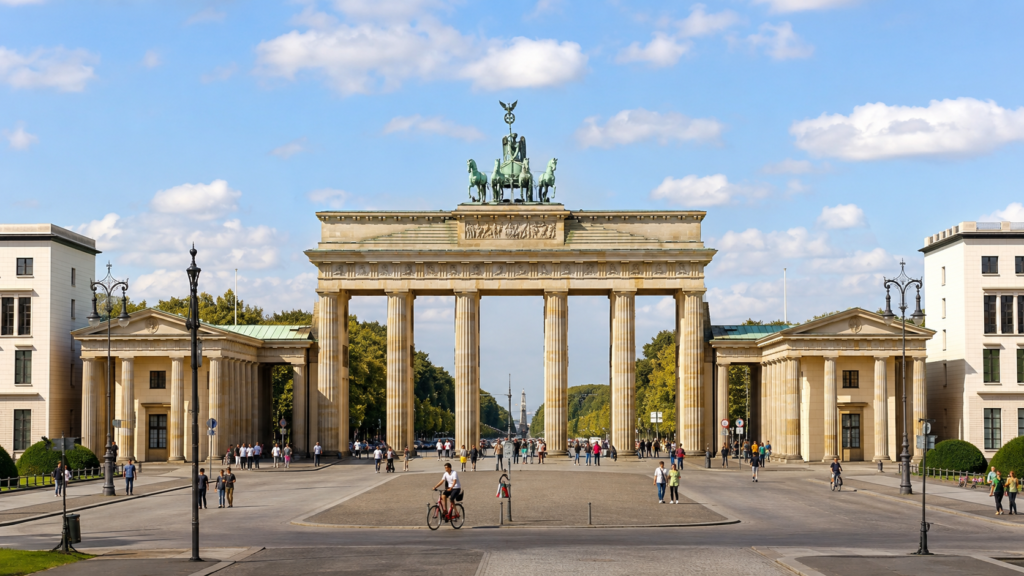
Berlin is Germany’s capital and one of Europe’s most fascinating cities for history, culture, and contemporary urban life. The city reflects many different periods of German history, from Prussian architecture and the Second World War to the Cold War and the transformation that followed reunification.
The Brandenburg Gate is one of Berlin’s most recognizable landmarks, while the nearby Reichstag building and Memorial to the Murdered Jews of Europe provide important historical context. Museum Island brings together several major cultural institutions, and remnants of the Berlin Wall can still be explored at locations throughout the city.
Berlin also rewards travelers who spend time beyond its famous monuments. Distinctive neighborhoods, markets, parks, restaurants, galleries, and nightlife reveal a more contemporary side of the capital. Allowing at least three days makes it easier to combine the major historic attractions with museums and local neighborhoods without rushing.
2. Munich
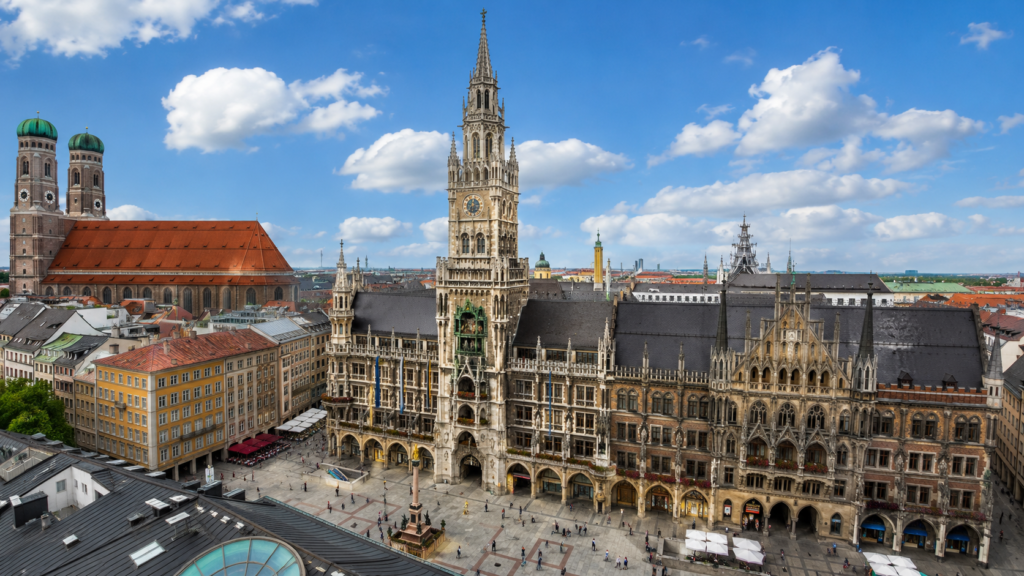
Munich combines elegant architecture, major museums, traditional Bavarian culture, green spaces, and easy access to southern Germany’s lakes and mountains. The historic center is focused around Marienplatz, where impressive buildings and lively pedestrian streets create one of the city’s most recognizable scenes.
Visitors can explore churches, markets, museums, traditional beer halls, and the expansive English Garden. Munich is also internationally associated with Oktoberfest, although the city’s Bavarian traditions, food, and beer culture can be experienced throughout the year.
Its location makes Munich particularly useful as a base for exploring Bavaria. Neuschwanstein Castle, Alpine towns, mountain landscapes, and several lakes can be reached on day trips or incorporated into a longer journey through southern Germany.
3. Neuschwanstein Castle
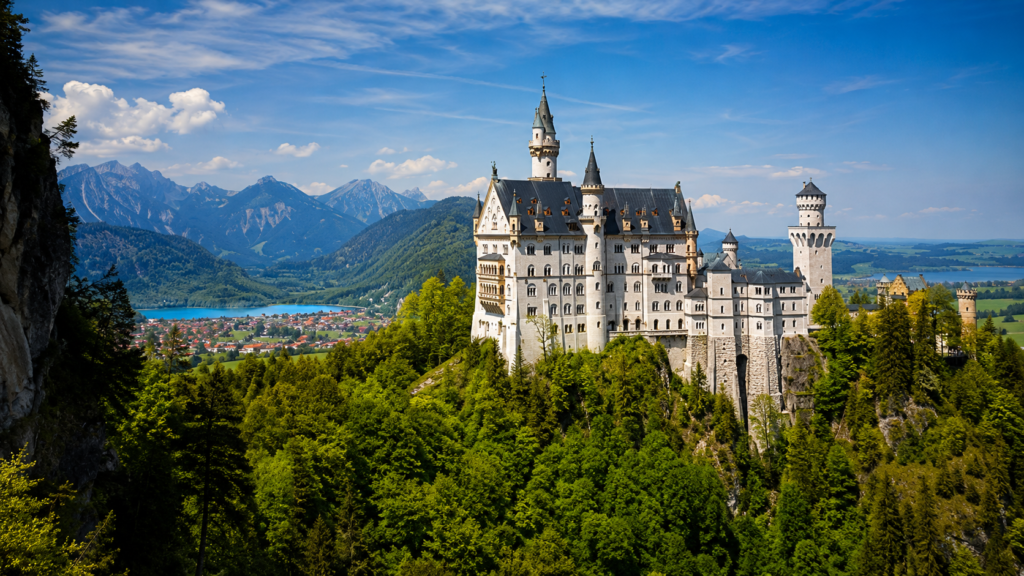
Neuschwanstein Castle is one of Germany’s most famous landmarks, rising above a forested landscape near the town of Füssen in Bavaria. Built for King Ludwig II in the nineteenth century, its towers, dramatic location, and mountain backdrop have helped create its fairy-tale reputation.
The surrounding scenery is an important part of the experience. Forests, lakes, rolling countryside, and the nearby Bavarian Alps create numerous viewpoints around the castle. Walking routes in the area provide different perspectives, including classic views of Neuschwanstein surrounded by the landscape.
Because the castle attracts large numbers of visitors, planning ahead is worthwhile, particularly during the busiest travel periods. Combining Neuschwanstein with Füssen and the surrounding Alpine region can create a more complete experience than visiting the castle alone.
4. Black Forest
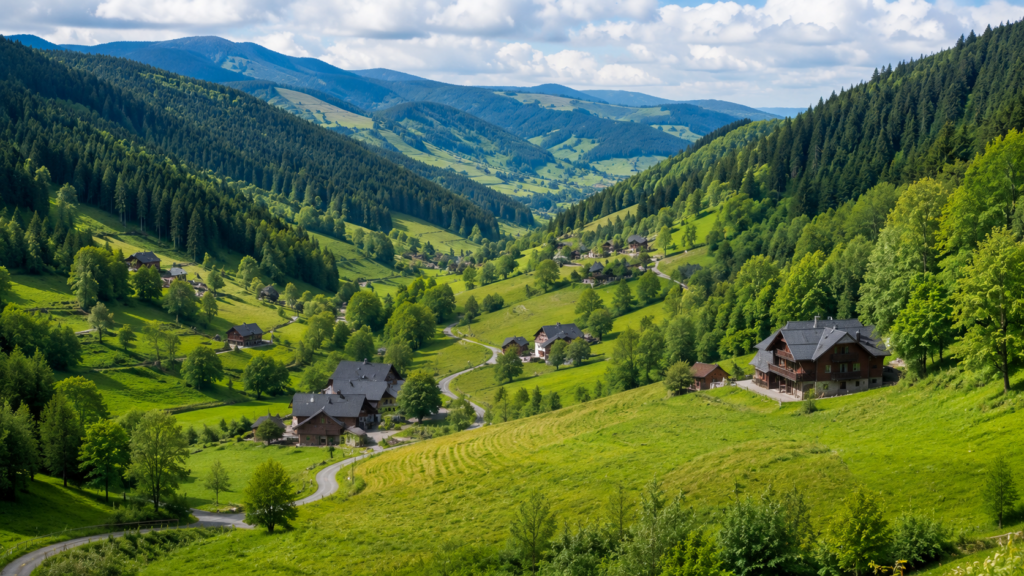
The Black Forest in southwestern Germany offers a refreshing contrast to the country’s major cities. The region is characterized by densely wooded hills, valleys, lakes, traditional villages, waterfalls, and scenic roads that make it particularly appealing to travelers interested in nature.
Hiking is one of the best ways to experience the landscape, with trails ranging from easy walks to longer routes through forests and rural communities. Towns and villages throughout the region provide opportunities to experience traditional architecture, local food, and a slower pace of travel.
The Black Forest can be explored as part of a road trip or by using regional transportation between selected destinations. Visitors can combine outdoor activities with spa towns, lakes, viewpoints, and nearby historic communities, making the region suitable for several days rather than a brief stop.
5. Hamburg
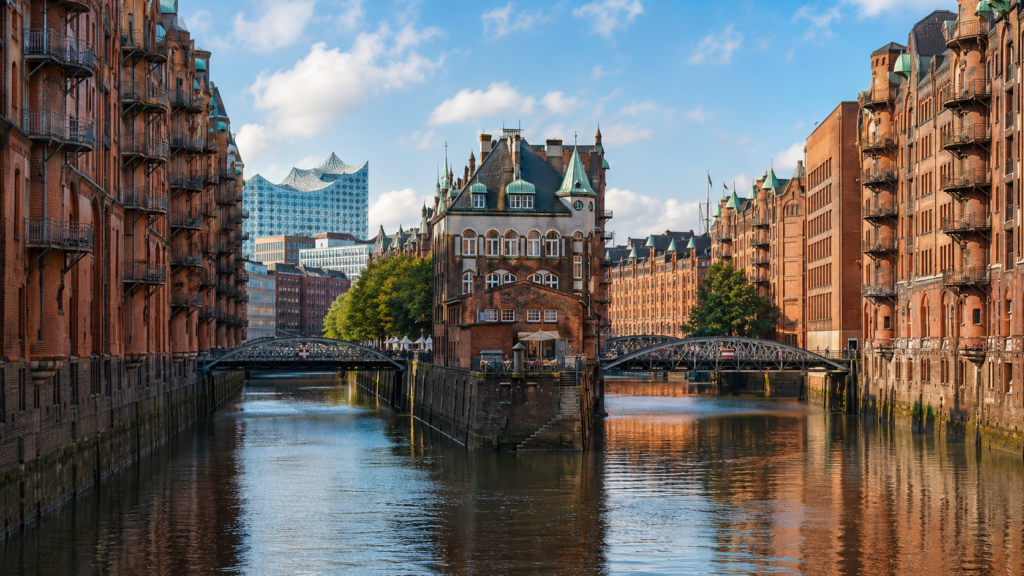
Hamburg offers a distinctly different side of Germany, shaped by its maritime history, waterways, historic port, and modern architecture. Located on the Elbe River, the city has long been one of Europe’s important trading centers and remains Germany’s largest port city.
The Speicherstadt warehouse district is one of Hamburg’s most recognizable areas, with red-brick buildings, canals, and bridges creating an atmospheric waterfront landscape. Nearby, the modern HafenCity district and striking Elbphilharmonie concert hall demonstrate how the city has transformed former harbor areas into contemporary cultural spaces.
Hamburg is also known for its lakes, parks, neighborhoods, markets, museums, and nightlife. Boat tours provide a useful introduction to the scale of the harbor and waterways, while walking through different districts reveals a city that combines industrial heritage with an increasingly modern character.
6. Cologne
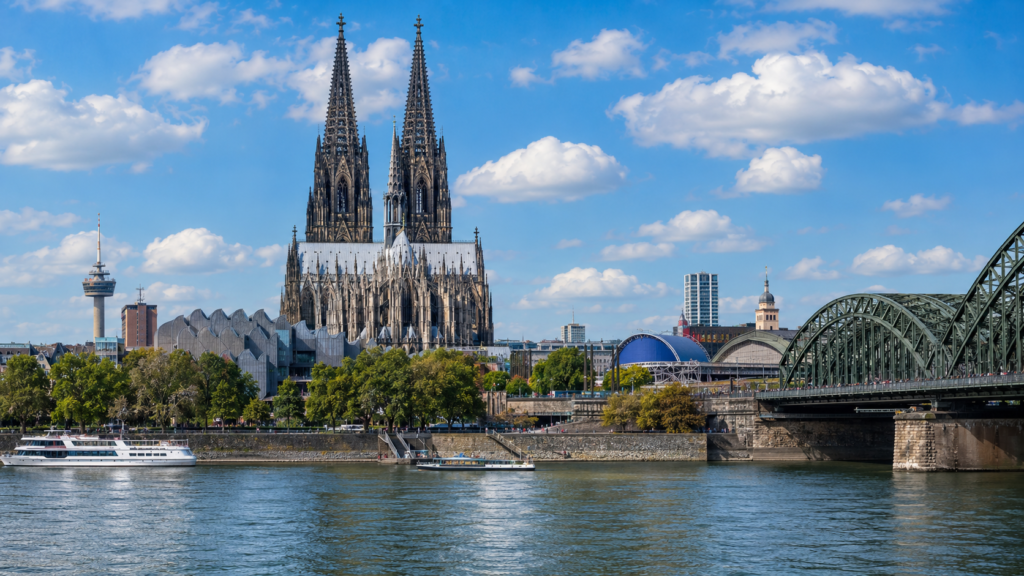
Cologne sits along the Rhine River and is best known for Cologne Cathedral, one of Germany’s most impressive Gothic landmarks. Its enormous twin towers dominate the city skyline and make the cathedral an unforgettable sight when arriving near the central railway station.
Beyond the cathedral, Cologne offers museums, historic churches, shopping streets, traditional breweries, and a pleasant Rhine waterfront. The reconstructed Old Town contains colorful buildings and lively squares where visitors can experience the city’s relaxed atmosphere and local Kölsch beer culture.
Cologne is also an excellent base for exploring other destinations along the Rhine. Its major railway connections make it easy to include in a wider German itinerary, while the compact central area allows visitors to experience many of the main attractions within a relatively short stay.
7. Dresden
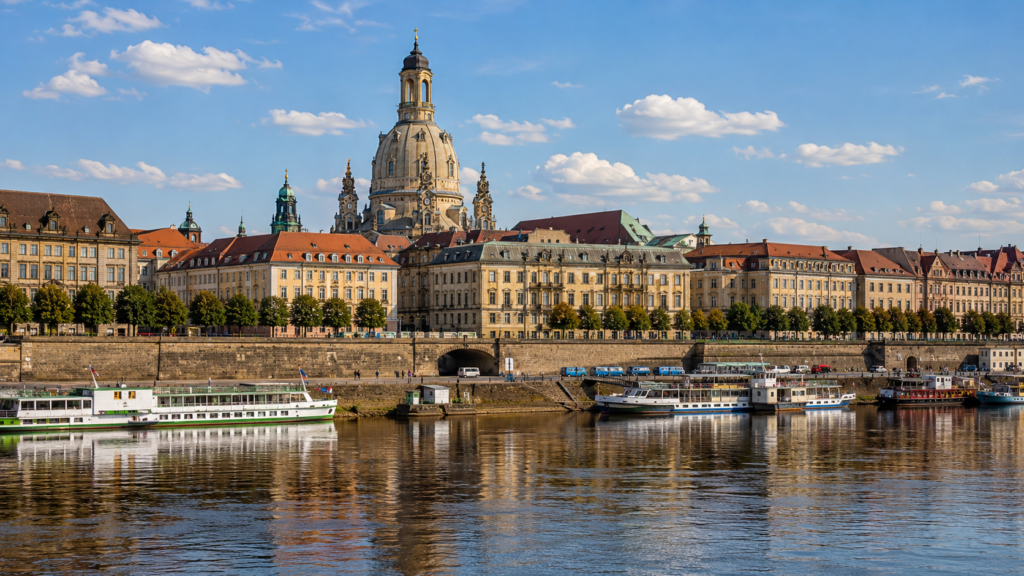
Dresden is one of eastern Germany’s most attractive cultural destinations, known for grand architecture, major art collections, and a remarkable historic center along the Elbe River. Much of the city was heavily damaged during the Second World War, but extensive reconstruction has restored many important landmarks.
The Frauenkirche is one of the most recognizable examples, while the nearby Zwinger complex contains elegant courtyards, architecture, and museums. The Semperoper opera house and riverside terraces contribute to the historic character of the city center.
Dresden can also serve as a gateway to the surrounding region of Saxony. Travelers with additional time can explore nearby castles, vineyards, historic towns, and the unusual sandstone landscapes of Saxon Switzerland National Park.
8. Heidelberg
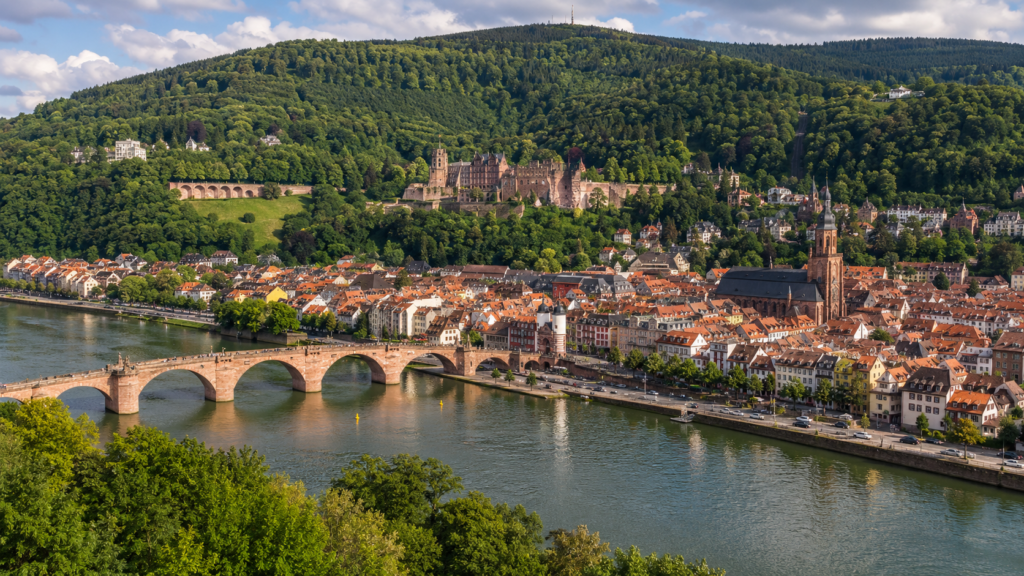
Heidelberg combines a romantic riverside setting with one of Germany’s most attractive historic centers. Located on the Neckar River, the city is known for its old university, pedestrian streets, traditional architecture, and the ruins of Heidelberg Castle overlooking the town.
Walking through the Old Town reveals historic squares, churches, cafés, shops, and university buildings. The Old Bridge crossing the Neckar provides classic views toward the castle and surrounding hills, while walking routes above the river offer broader perspectives across the city.
Heidelberg’s relatively compact size makes it easy to explore on foot. Its combination of history, architecture, river scenery, and youthful university atmosphere makes it a particularly enjoyable stop for travelers looking for a smaller German city between larger destinations.
9. Romantic Road
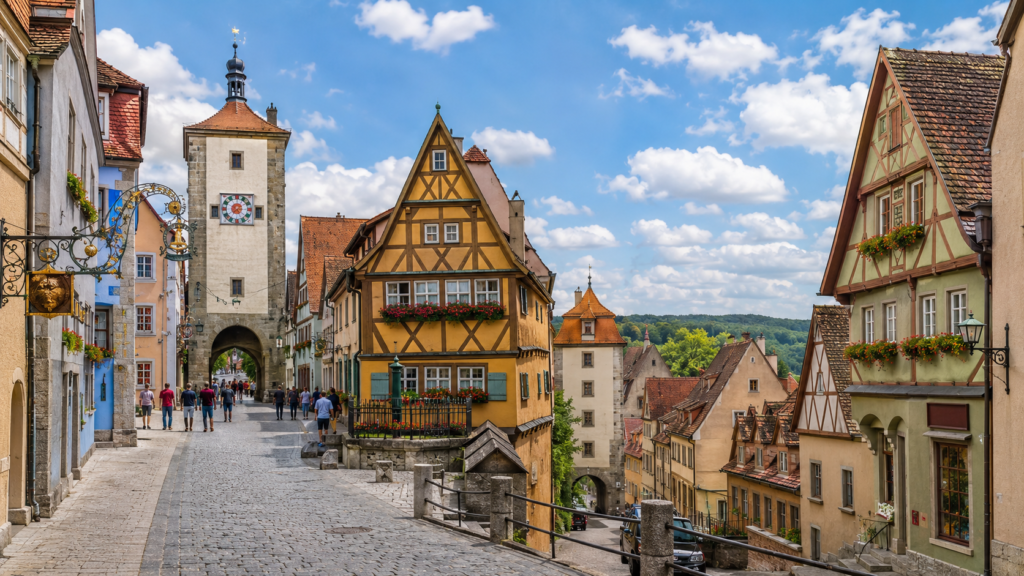
The Romantic Road is one of Germany’s most famous scenic travel routes, connecting historic towns and landscapes across Bavaria and neighboring regions. Rather than being a single destination, it provides an opportunity to experience medieval architecture, traditional communities, castles, countryside, and smaller towns over several days.
Rothenburg ob der Tauber is one of the route’s highlights, known for its preserved medieval walls, towers, cobbled streets, and traditional half-timbered buildings. Other stops provide different combinations of historic centers, churches, local culture, and rural scenery.
Driving provides the greatest flexibility, although selected towns can also be reached using public transportation. Travelers do not need to complete the entire route to enjoy it; choosing several key stops can provide a rewarding introduction to the historic landscapes of southern Germany.
10. Bavarian Alps
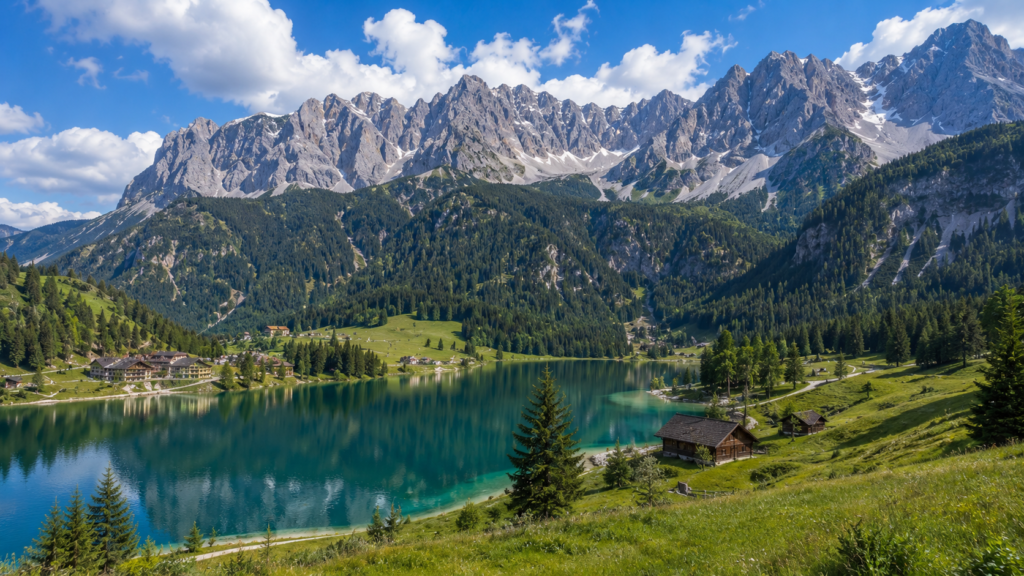
The Bavarian Alps form Germany’s spectacular southern edge, offering mountain peaks, clear lakes, forests, traditional villages, and some of the country’s best opportunities for outdoor activities.
Garmisch-Partenkirchen is one of the main bases for exploring the region and provides access to mountain railways, cable cars, hiking routes, and winter sports. Nearby, Zugspitze rises to 2,962 meters as Germany’s highest mountain, offering expansive views when weather conditions are clear.
The region is rewarding throughout the year. Summer brings hiking, lake activities, and green Alpine landscapes, while winter attracts visitors for skiing and snowy mountain scenery. Combining the Bavarian Alps with Munich, Neuschwanstein Castle, or other parts of southern Bavaria creates one of Germany’s most varied travel itineraries.
Best Time to Visit Germany
Germany can be visited throughout the year, but the best season depends on your itinerary. May through September generally provides comfortable conditions for city sightseeing, countryside trips, hiking, scenic drives, and outdoor attractions. Long daylight hours also make it easier to fit more activities into each day.
July and August are among the busiest travel months, particularly in major cities and popular destinations such as Neuschwanstein Castle. Late spring and early autumn can offer a good balance of pleasant weather and somewhat lower visitor numbers.
September and October are particularly appealing in Bavaria, where seasonal festivals and autumn landscapes create a distinctive atmosphere. Travelers specifically interested in Oktoberfest should check the official dates and arrange accommodation well in advance.
Late November and December bring Christmas markets to cities and towns throughout Germany. Winter can be cold and daylight hours are shorter, but festive markets, seasonal food, decorated historic centers, and snow in some mountain regions create a very different travel experience.
Local Food You Should Try
German cuisine varies considerably between regions, so traveling around the country provides opportunities to discover much more than the dishes most commonly associated with Germany internationally.
Bratwurst – Grilled sausages found throughout Germany, with numerous regional variations in ingredients, size, seasoning, and preparation.
Currywurst – A popular Berlin street food typically consisting of sliced sausage served with a curry-seasoned tomato-based sauce and often accompanied by fries.
Schnitzel – Breaded and fried meat served in restaurants throughout Germany. Different versions and accompaniments vary between regions and establishments.
Schweinshaxe – Roasted pork knuckle particularly associated with Bavarian cuisine, commonly served with traditional side dishes in restaurants and beer halls.
Spätzle – Soft egg noodles especially common in southern Germany, often served alongside meat dishes or combined with cheese for a rich regional specialty.
Pretzel – Known locally as Brezel or Brezn depending on the region, this baked specialty is particularly associated with southern Germany and is commonly enjoyed with meals or as a snack.
Black Forest Cake – A famous dessert associated with the Black Forest region, traditionally combining chocolate cake, cherries, cream, and cherry-based flavors.
Regional Beer – Germany has strong regional brewing traditions. Munich is famous for Bavarian beer culture, Cologne for Kölsch, while many other cities and regions have distinctive local styles worth discovering.
Transportation
Germany has an extensive transportation network that makes traveling between major cities and regions relatively straightforward. High-speed and intercity trains connect destinations such as Berlin, Munich, Hamburg, Cologne, Dresden, and Frankfurt, while regional trains and buses provide access to smaller towns and rural areas.
Public transportation within major cities is generally convenient, with combinations of U-Bahn, S-Bahn, trams, and buses. For travelers focusing on cities, a rental car is usually unnecessary and can sometimes become inconvenient because of parking costs and traffic.
A car becomes more useful when exploring areas such as the Romantic Road, Black Forest, Bavarian countryside, and smaller villages where public transportation may be less frequent. Travelers planning long-distance train journeys should compare ticket options and book popular routes in advance when possible.
Accommodation
Germany offers a wide range of accommodation, including hostels, guesthouses, apartments, traditional inns, boutique hotels, international chains, and luxury properties. Major cities generally provide the greatest selection, while smaller towns and countryside regions often feature locally operated hotels and guesthouses.
Accommodation prices vary according to destination, season, and major events. Munich can become particularly expensive during Oktoberfest, while Berlin, Hamburg, and other major cities may see higher prices during festivals, exhibitions, and large conferences.
Booking early is recommended when traveling during major events or the summer season. In rural areas, staying in smaller family-run properties can provide a more traditional experience and convenient access to nearby countryside.
Practical Travel Tips
- Currency: Germany uses the euro (€), and cards are widely accepted, although carrying some cash can still be useful in smaller businesses and rural areas.
- Language: German is the official language. English is commonly understood in major cities and tourist destinations, but learning a few basic German phrases can be helpful.
- Use public transportation in cities: Berlin, Munich, Hamburg, Cologne, and other major cities have extensive local transport networks.
- Book major attractions ahead: Popular destinations such as Neuschwanstein Castle can become busy, particularly during summer and holiday periods.
- Check train schedules carefully: Long-distance and regional trains are convenient, but allow some flexibility when making important connections.
- Prepare for changing weather: Conditions can vary considerably between northern Germany, central regions, and the Bavarian Alps.
- Respect local rules: Pay attention to pedestrian crossings, cycling lanes, public transportation requirements, and local regulations.
- Consider a car for rural itineraries: Driving can provide greater flexibility when exploring scenic routes, villages, forests, and countryside destinations.
Frequently Asked Questions
Is Germany expensive to visit?
Germany can be moderately expensive compared with some European destinations, but costs vary considerably between cities and regions. Accommodation in major cities or during large events can be expensive, while smaller towns and regional destinations may offer better value. Public transportation and a wide range of dining options make it possible to travel at different budget levels.
How many days should I spend in Germany?
Around 10 to 14 days is a good amount of time for a first trip covering several regions. A shorter journey of five to seven days works well if you focus on one or two major cities and nearby attractions, while two weeks or more allows time for cities, historic towns, castles, and countryside.
What is the best time to visit Germany?
May through September is excellent for general sightseeing and outdoor activities. September and October are particularly attractive for Bavaria and seasonal festivals, while late November and December are popular for Christmas markets. Winter is also suitable for travelers interested in snowy Alpine destinations.
Do I need a car in Germany?
Not for most major cities. Germany’s railway and public transportation networks make it possible to visit many destinations without driving. A rental car becomes more useful for itineraries involving the Romantic Road, rural Black Forest, Bavarian countryside, and smaller villages.
Which German cities are best for first-time visitors?
Berlin and Munich are excellent starting points because they provide very different experiences. Berlin is particularly strong for modern history, museums, and contemporary culture, while Munich combines historic architecture and Bavarian traditions with easy access to castles, lakes, and the Alps.
Is Germany suitable for families?
Yes. Germany offers castles, museums, parks, lakes, scenic rail journeys, interactive attractions, historic towns, and outdoor activities suitable for different ages. Families can also benefit from the country’s extensive transportation network when traveling between destinations.
Official Tourism Website
For official destination information, attractions, cultural experiences, regional travel ideas, events, and practical resources for planning your trip, visit Germany’s Official Tourism Website – Germany Travel.
Related Destinations
Best Places to Visit in Switzerland in 2026
Continue south to Switzerland for spectacular Alpine landscapes, mountain villages, crystal-clear lakes, scenic railway journeys, and historic cities surrounded by some of Europe’s most impressive scenery.
Best Places to Visit in France in 2026
Travel west to France to experience historic cities, famous cultural landmarks, beautiful countryside, Alpine landscapes, Mediterranean coastlines, and distinctive regional cuisine.
Best Places to Visit in Amsterdam in 2026
Explore Amsterdam for historic canals, world-class museums, charming neighborhoods, distinctive architecture, and a vibrant cultural scene in one of Europe’s most enjoyable city destinations.
Best Places to Visit in Italy in 2026
Continue into Italy for historic cities, celebrated art and architecture, Mediterranean coastlines, beautiful lakes, regional cuisine, and some of Europe’s most recognizable cultural landmarks.