

Switzerland brings together dramatic Alpine landscapes, crystal-clear lakes, historic cities, picturesque villages, and one of Europe’s most efficient travel networks. Snow-covered mountains rise above peaceful valleys, medieval old towns sit beside turquoise lakes, and scenic trains connect destinations that often feel like they belong on a postcard.
Although Switzerland is famous for the Alps, the country offers much more than mountain scenery. Travelers can explore the cultural attractions of Zurich and Lucerne, walk through the historic streets of Bern, experience the dramatic landscapes around Interlaken, or discover car-free mountain villages beneath some of Europe’s most recognizable peaks.
This guide covers the best places to visit in Switzerland in 2026, combining famous Alpine destinations with cities, lakes, historic towns, and scenic regions. Whether you are planning a summer hiking trip, a winter mountain escape, or your first journey through Central Europe, these destinations reveal the remarkable variety Switzerland offers.
Why Visit Switzerland?
Switzerland is one of Europe’s most rewarding destinations for travelers who love scenery and outdoor experiences. The Swiss Alps dominate much of the landscape, offering hiking, skiing, mountain railways, cable cars, panoramic viewpoints, and countless opportunities to experience nature throughout the year.
The country also combines its natural attractions with attractive cities and historic towns. Medieval architecture, lakeside promenades, museums, local markets, and regional food traditions provide plenty to explore between mountain adventures. Each region has its own character, influenced by Switzerland’s German, French, Italian, and Romansh-speaking communities.
Another major advantage is the transportation system. Trains, buses, boats, mountain railways, and cable cars make it possible to explore much of the country without renting a car. For visitors with limited time, Switzerland’s compact size also makes combining several very different destinations within one trip relatively easy.
Top 10 Places to Visit in Switzerland
1. Zermatt
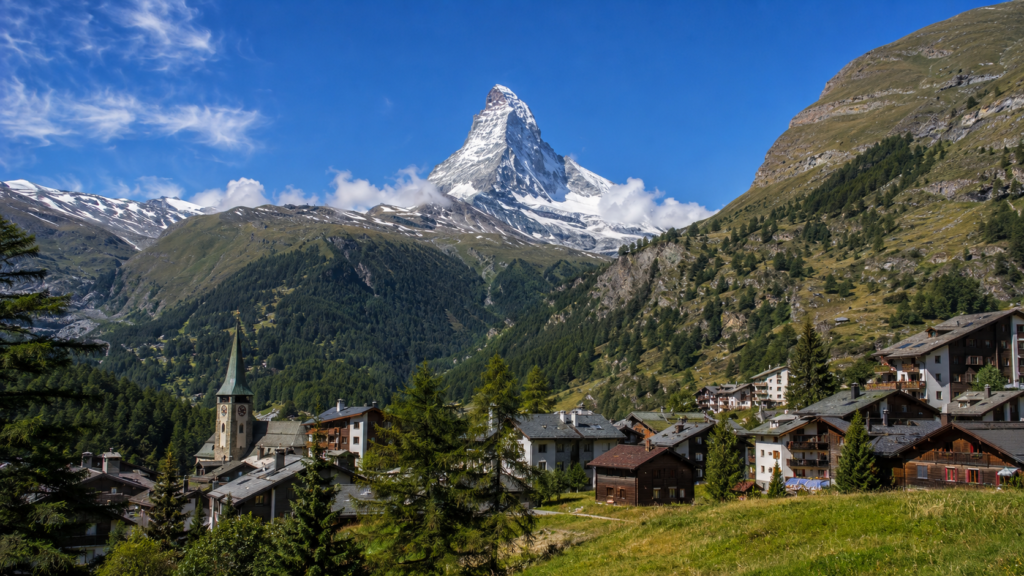
Zermatt is one of Switzerland’s most famous mountain destinations, best known for its spectacular setting beneath the Matterhorn. The distinctive pyramid-shaped peak dominates the surrounding landscape and has become one of the most recognizable symbols of the Swiss Alps.
The village itself is largely car-free, creating a peaceful atmosphere of traditional chalets, hotels, restaurants, and pedestrian streets surrounded by mountains. Visitors can use mountain railways and cable cars to reach panoramic viewpoints, hiking trails, and ski areas high above the valley.
One of the most memorable excursions is the journey to Gornergrat, where expansive views take in the Matterhorn and numerous surrounding peaks. Zermatt is rewarding throughout the year, offering hiking and sightseeing during the warmer months and world-class skiing during winter.
2. Interlaken
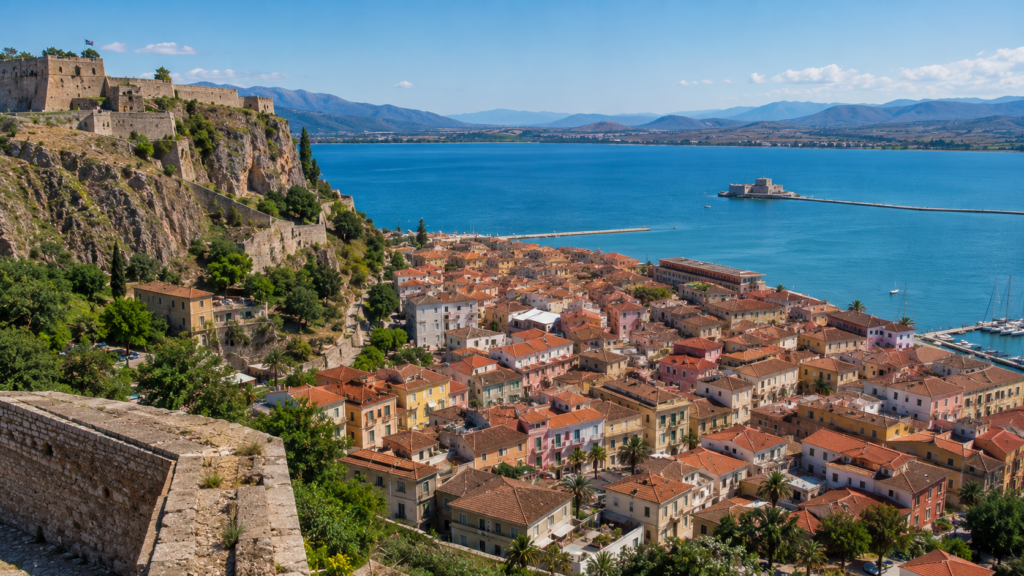
Interlaken sits between Lake Thun and Lake Brienz, surrounded by some of the most dramatic mountain scenery in the Bernese Oberland. Its central location makes it one of the best bases for exploring the wider Jungfrau region.
The town is particularly popular with outdoor travelers, offering easy access to hiking, paragliding, boat trips, mountain excursions, and adventure activities. However, much of Interlaken’s appeal comes from what lies nearby. Trains connect the town with mountain communities such as Lauterbrunnen, Grindelwald, and destinations higher in the Alps.
Travelers who prefer a slower experience can explore the lakes, walk along the river, or take a funicular to viewpoints above town. Spending several nights in the area provides enough time to experience both Interlaken and the surrounding mountain valleys.
3. Lucerne
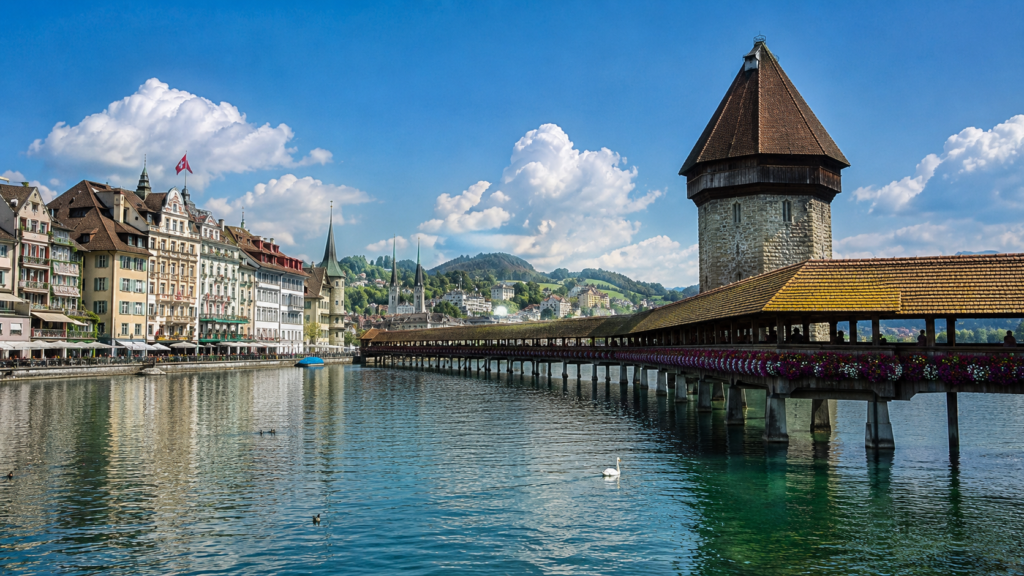
Lucerne combines an attractive historic center with a beautiful lakeside setting and easy access to the mountains of central Switzerland. Its compact Old Town is filled with colorful historic buildings, pedestrian streets, fountains, cafés, and traditional architecture.
The Chapel Bridge is the city’s most recognizable landmark, crossing the Reuss River near the heart of the historic center. Lake Lucerne adds another dimension to the city, with passenger boats offering scenic journeys surrounded by increasingly dramatic mountain scenery.
Lucerne is also an excellent base for mountain excursions. Mount Pilatus and Mount Rigi are among the most popular nearby destinations, allowing visitors to combine boats, trains, cogwheel railways, and cable cars in memorable day trips. The combination of city, lake, and mountains makes Lucerne especially suitable for first-time visitors to Switzerland.
4. Lauterbrunnen
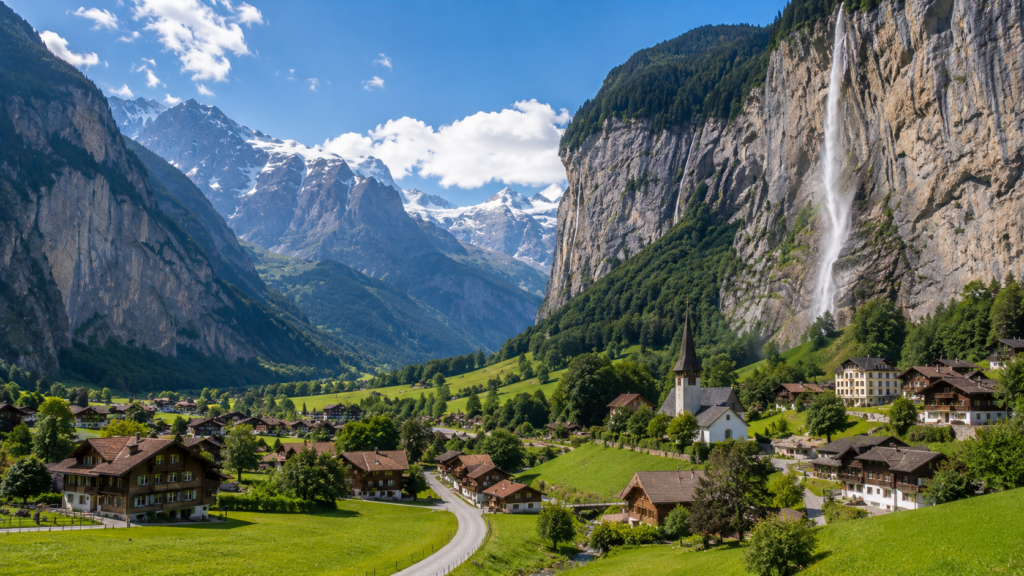
Lauterbrunnen lies within one of Switzerland’s most spectacular Alpine valleys, where steep cliffs rise dramatically on both sides of a landscape filled with green meadows, traditional houses, mountain peaks, and numerous waterfalls.
Staubbach Falls is one of the valley’s most recognizable natural attractions, dropping from a high cliff close to the village. Farther into the valley, walking paths and local transportation provide access to additional waterfalls, small communities, and viewpoints surrounded by towering mountains.
Lauterbrunnen also serves as a gateway to nearby mountain villages such as Wengen and Mürren. The area is ideal for travelers interested in hiking, photography, scenic train journeys, and experiencing the quieter side of the Swiss Alps. Staying overnight provides a noticeably calmer experience once many daytime visitors have left the valley.
5. Grindelwald
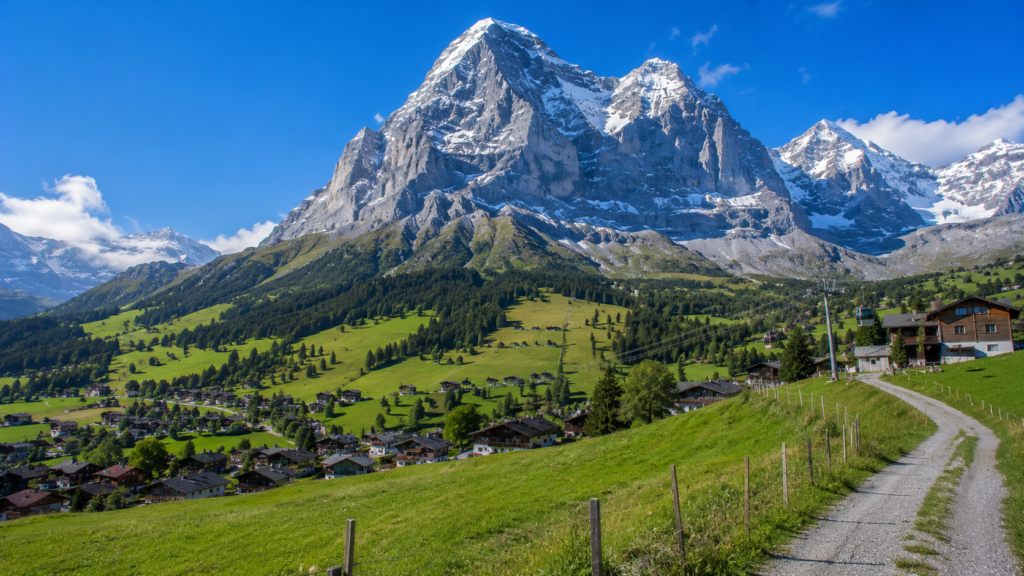
Grindelwald is a classic Swiss Alpine village surrounded by dramatic peaks, green meadows, and some of the most accessible mountain scenery in the Jungfrau region. The north face of the Eiger rises above the valley, creating an impressive backdrop throughout much of the area.
During the warmer months, Grindelwald is an excellent base for hiking and mountain excursions. Visitors can travel toward First for panoramic views and walking trails or use the region’s railways and cable cars to explore higher elevations. The journey toward Jungfraujoch is another popular experience, offering access to spectacular high-Alpine scenery.
Winter transforms Grindelwald into a major ski destination, while the village remains lively with hotels, restaurants, and traditional chalet-style architecture. Its combination of convenient transportation and immediate access to the mountains makes it suitable for both active travelers and visitors primarily interested in scenery.
6. Bern
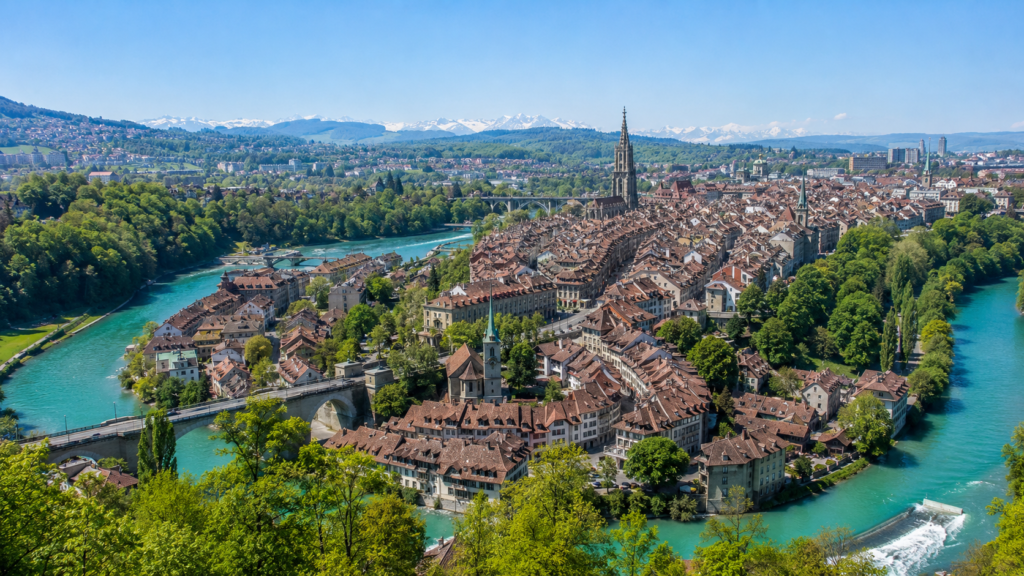
Bern, Switzerland’s capital, offers a very different experience from the country’s mountain resorts. Its beautifully preserved Old Town sits within a curve of the Aare River and is characterized by medieval streets, covered arcades, fountains, towers, and historic sandstone buildings.
The Zytglogge clock tower is one of the city’s most recognizable landmarks, while the surrounding streets are ideal for exploring on foot. Visitors can also enjoy views across the rooftops toward the distant Alps or walk along the river for a quieter perspective of the city.
Bern’s relatively compact center makes it easy to explore without rushing. Museums, cafés, local shops, and traditional restaurants add variety, making the capital a worthwhile cultural stop between Switzerland’s lakes and mountain regions.
7. Lake Geneva
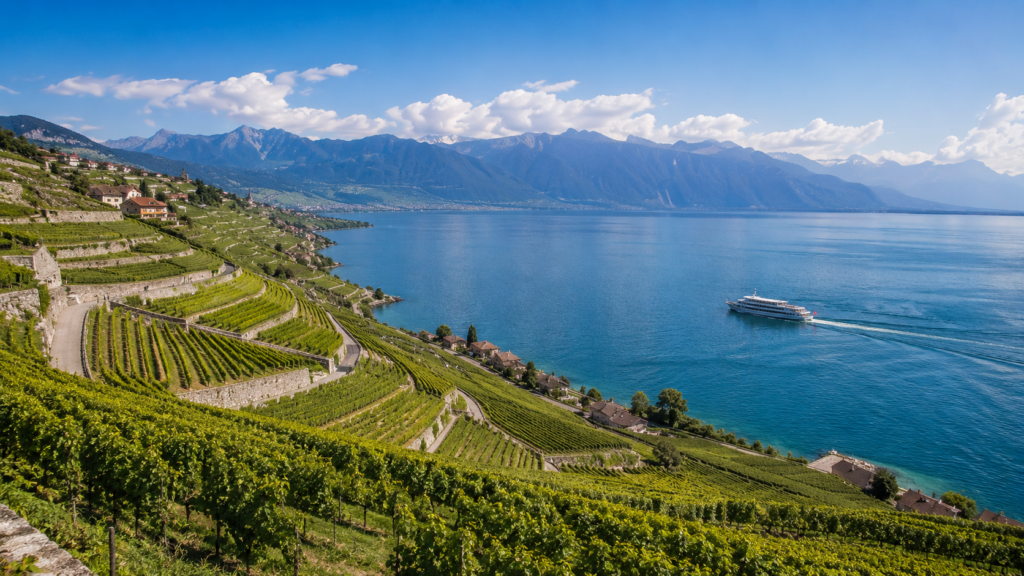
Lake Geneva is one of Switzerland’s most beautiful lake regions, stretching along the country’s French-speaking west and surrounded by cities, vineyards, mountains, and elegant waterfront communities.
Geneva sits at the western end of the lake and offers museums, international institutions, parks, and a lively waterfront. Farther east, Lausanne rises above the shoreline, while the terraced vineyards of Lavaux create one of the region’s most distinctive cultural landscapes.
The eastern end of the lake also provides access to picturesque towns and historic landmarks such as Chillon Castle near Montreux. Boat journeys are an excellent way to appreciate the scale of the lake and connect several destinations while enjoying views of the surrounding mountains.
8. Zurich
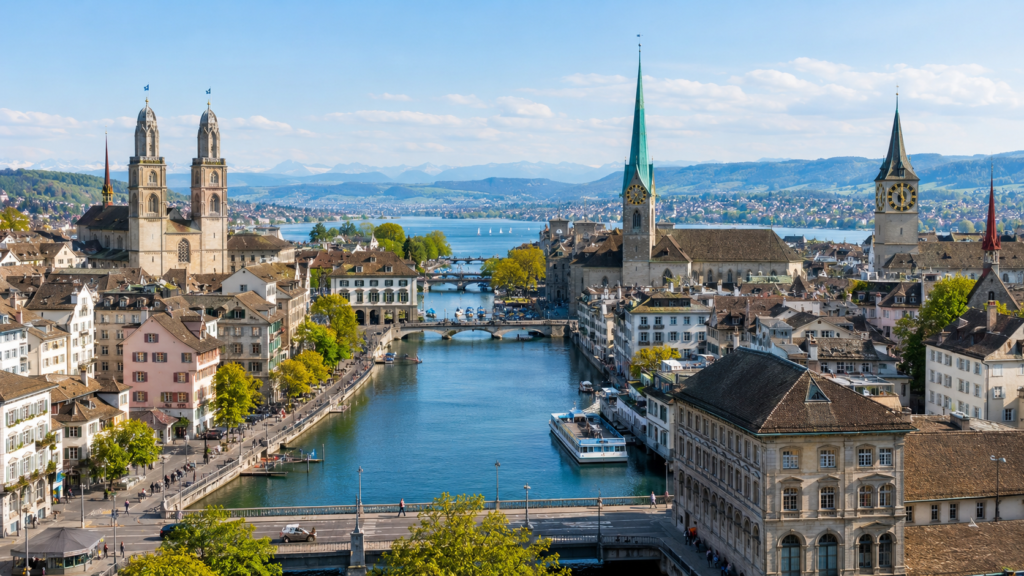
Zurich is Switzerland’s largest city and an important cultural and transportation hub, but its setting beside Lake Zurich gives it a relaxed side that contrasts with its reputation as a financial center.
The Old Town spreads along both sides of the Limmat River, where narrow streets lead between historic buildings, churches, cafés, galleries, and shops. The lakefront is ideal for walking in pleasant weather, while museums and cultural institutions provide plenty to explore throughout the year.
Zurich is particularly convenient at the beginning or end of a Swiss itinerary because of its major international airport and excellent rail connections. Travelers with additional time can also use the city as a base for excursions around Lake Zurich and nearby regions.
9. Jungfraujoch
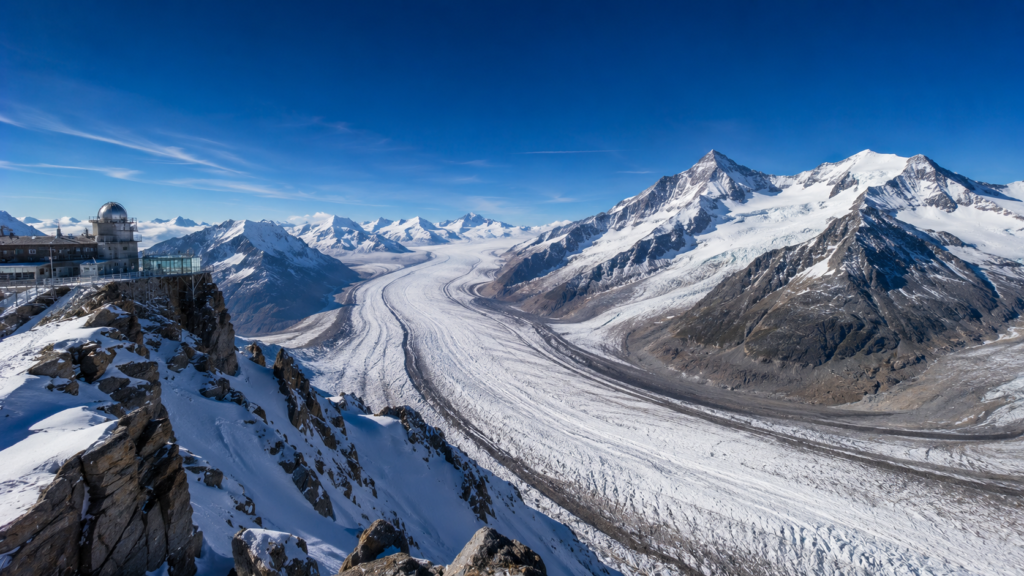
Jungfraujoch offers one of Switzerland’s most famous high-mountain experiences. Located more than 3,400 meters above sea level in the Bernese Alps, the destination is reached through a remarkable railway journey that carries visitors deep into the Alpine landscape.
At the top, observation areas provide views across snow-covered peaks and the vast Aletsch Glacier. Indoor attractions and viewing platforms make the excursion accessible even for travelers who are not planning serious mountain activities.
Weather conditions can strongly affect visibility, so checking the forecast before making the journey is worthwhile. The altitude can also be noticeable for some visitors, making it sensible to move slowly and allow time to adjust after arriving.
10. St. Moritz
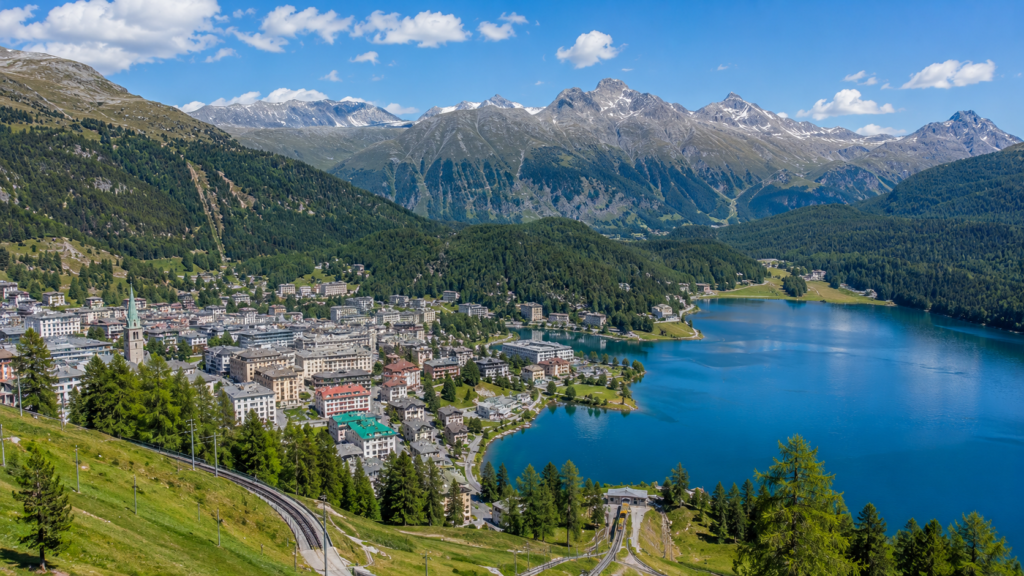
St. Moritz is one of Switzerland’s most famous Alpine resort towns, set in the Engadin Valley among mountains, forests, and beautiful lakes. It has a long history of winter tourism and is particularly associated with skiing, luxury hotels, and outdoor sports.
The surrounding region is equally appealing outside winter. Hiking trails, mountain railways, scenic viewpoints, and lakes provide numerous options during summer and early autumn, while the distinctive landscapes of the Upper Engadin create excellent conditions for photography and relaxed exploration.
St. Moritz is also connected to some of Switzerland’s celebrated scenic railway journeys. Travelers can incorporate the town into a longer rail itinerary through southeastern Switzerland, combining dramatic landscapes with one of the country’s most established mountain destinations.
Best Time to Visit Switzerland
The best time to visit Switzerland depends largely on the experiences you want. June through September is an excellent period for hiking, lake activities, scenic train journeys, and exploring Alpine villages. Summer generally provides warmer temperatures and better access to high-elevation walking trails, although popular destinations can become busy.
Spring and autumn can be quieter and are attractive for cities, lakes, and lower-altitude destinations. Mountain conditions are more variable during these transitional seasons, and some cable cars, hiking routes, or seasonal businesses may temporarily close between their main operating periods.
December through March is the main season for skiing and other winter activities in Alpine destinations such as Zermatt, Grindelwald, and St. Moritz. Snow conditions vary by elevation and year, so travelers planning a winter sports trip should check local conditions before departure.
Local Food You Should Try
Swiss cuisine reflects the country’s Alpine environment and its German, French, and Italian-speaking regions. Cheese, potatoes, bread, chocolate, and regional meats feature prominently, but local specialties vary considerably across the country.
Cheese Fondue – One of Switzerland’s most famous dishes, traditionally made by melting cheese with wine and serving it in a communal pot with pieces of bread for dipping.
Raclette – Melted cheese traditionally served with potatoes, pickles, and onions. It is especially associated with the Alpine regions and is particularly comforting during colder weather.
Rösti – A crispy potato dish with roots in German-speaking Switzerland. It can be served as a side dish or accompanied by ingredients such as eggs, cheese, or meat.
Zürcher Geschnetzeltes – A Zurich specialty consisting of sliced veal in a creamy sauce, commonly served alongside rösti.
Älplermagronen – A hearty Alpine dish typically combining pasta, potatoes, cheese, and cream, often served with onions and apple sauce.
Swiss Chocolate – Switzerland has a long tradition of chocolate making, and travelers will find everything from major historic brands to small artisan chocolatiers across the country.
Bircher Müesli – Originally developed in Switzerland, this mixture of oats, fruit, and other ingredients has become an internationally familiar breakfast dish.
Engadine Nut Tart – A rich pastry from the Engadin region filled with caramelized walnuts, making it a particularly appropriate specialty to try when visiting St. Moritz and southeastern Switzerland.
Transportation
Switzerland has one of Europe’s most convenient public transportation systems, making it possible to explore most major destinations without renting a car. Trains connect cities such as Zurich, Bern, Lucerne, and Geneva with smaller towns and mountain regions, while buses extend the network into valleys and rural communities.
Boats operate on many major lakes, and mountain railways, funiculars, and cable cars provide access to Alpine villages, hiking areas, ski resorts, and panoramic viewpoints. Scenic rail journeys can also become part of the travel experience rather than simply a way to move between destinations.
Travelers planning several long-distance journeys should compare individual tickets with available rail passes before departure. A rental car can provide additional flexibility in some rural areas, but parking restrictions and the excellent public transport network mean that many visitors will not need one.
Accommodation
Switzerland offers accommodation ranging from hostels, guesthouses, and mountain lodges to apartments, traditional hotels, luxury resorts, and internationally recognized properties. Cities generally provide the widest range of options, while Alpine destinations often feature chalet-style hotels and accommodation designed around outdoor activities.
Prices can be high compared with many other European destinations, particularly in famous mountain resorts and during peak ski or summer periods. Booking early can help secure a wider selection in places such as Zermatt, Grindelwald, Interlaken, and St. Moritz.
Travelers interested in hiking can also consider mountain huts and accommodation outside the most famous resort centers. Staying in smaller towns with good railway connections can sometimes provide better value while still allowing convenient access to major attractions.
Practical Travel Tips
- Currency: Switzerland uses the Swiss franc (CHF), although cards are widely accepted in cities, hotels, restaurants, and major tourist destinations.
- Languages: German, French, Italian, and Romansh are Switzerland’s national languages, with the language you encounter depending largely on the region.
- Use public transportation: Switzerland’s integrated train, bus, boat, and mountain transport networks make traveling without a car relatively straightforward.
- Check mountain weather: Conditions can change quickly at higher elevations, so check forecasts before hiking or taking expensive mountain excursions.
- Pack for changing temperatures: Even during summer, high-altitude destinations can be considerably colder than cities and lakeside areas.
- Book popular mountain trips carefully: Excursions such as Jungfraujoch can be expensive, and visibility is an important part of the experience. Check conditions when possible before traveling.
- Budget for higher prices: Accommodation, restaurants, transportation, and mountain excursions can cost more than in many neighboring European countries.
- Respect hiking conditions: Choose trails appropriate for your experience, wear suitable footwear, and pay attention to local signs, closures, and weather warnings.
Frequently Asked Questions
Is Switzerland expensive to visit?
Yes, Switzerland is generally one of the more expensive destinations in Europe, particularly for accommodation, restaurants, transportation, and mountain excursions. Travelers can reduce costs by staying outside the most famous resorts, using supermarkets occasionally, comparing transport options, and booking accommodation in advance.
How many days should I spend in Switzerland?
Seven to ten days is a good amount of time for a first trip, allowing you to combine several cities, lakes, and Alpine destinations without changing accommodation every day. Two weeks provides more flexibility for hiking, scenic rail journeys, and slower exploration.
What is the best time to visit Switzerland?
June through September is ideal for many travelers interested in hiking, lakes, scenic landscapes, and mountain villages. December through March is better for skiing and winter activities. Spring and autumn can be quieter but may bring more variable mountain conditions and seasonal closures.
Do I need a car in Switzerland?
No. Most visitors can travel comfortably without a car because Switzerland has an extensive network of trains, buses, boats, mountain railways, and cable cars. A rental car can be useful for certain rural itineraries, but it is not necessary for the major destinations covered in this guide.
Which part of Switzerland is best for first-time visitors?
The Bernese Oberland is an excellent choice for first-time visitors who want classic Alpine scenery, with destinations such as Interlaken, Lauterbrunnen, Grindelwald, and the Jungfrau region located relatively close together. Combining this area with Lucerne, Bern, or Zurich creates a varied first itinerary.
Is Switzerland suitable for families?
Yes. Switzerland offers scenic train journeys, lake cruises, easy walking routes, mountain railways, cable cars, museums, and outdoor attractions suitable for different ages. Families should consider altitude, weather conditions, and the difficulty of hiking routes when planning mountain activities.
Official Tourism Website
For official destination information, transportation inspiration, seasonal activities, accommodation ideas, and practical resources for planning your trip, visit Switzerland’s Official Tourism Website – Switzerland Tourism.
Related Destinations
Best Places to Visit in France in 2026
Continue your European journey in France, where historic cities, Alpine landscapes, Mediterranean coastline, countryside, food, and cultural attractions provide an enormous variety of travel experiences.
Best Places to Visit in Italy in 2026
Travel south into Italy to explore historic cities, beautiful lakes, the Dolomites, Mediterranean coastlines, celebrated cuisine, and some of Europe’s most important cultural landmarks.
Best Places to Visit in Amsterdam in 2026
Explore Amsterdam for historic canals, world-class museums, charming neighborhoods, distinctive architecture, and a vibrant cultural scene in one of Europe’s most enjoyable city destinations.
Best Places to Visit in Greece in 2026
Discover Greece for ancient landmarks, beautiful Mediterranean islands, historic cities, traditional villages, turquoise coastlines, and some of Southern Europe’s most spectacular scenery.