

Belgium may be one of Europe’s smaller countries, but it offers an impressive concentration of historic cities, medieval architecture, beautiful town squares, castles, museums, regional cuisine, and picturesque countryside. From the grand landmarks of Brussels to the romantic canals of Bruges and the lively historic streets of Ghent, Belgium rewards travelers with remarkable variety within relatively short distances.
The country is particularly appealing for travelers interested in architecture, history, art, and food. Gothic churches stand beside ornate guild houses, centuries-old city centers remain filled with local life, and regional specialties such as Belgian chocolate, waffles, fries, and beer have become famous around the world. Beyond the major cities, visitors can discover forests, rivers, castles, memorial sites, and peaceful communities throughout the countryside.
This guide covers the best places to visit in Belgium in 2026, combining the country’s most famous destinations with historic towns and natural landscapes. Whether Belgium is your main destination or part of a longer journey through Western Europe, these places provide an excellent introduction to the country.
Why Visit Belgium?
Belgium offers an unusual amount of cultural and architectural diversity within a compact area. Historic centers in Brussels, Bruges, Ghent, and Antwerp contain magnificent churches, medieval buildings, elegant squares, museums, canals, and neighborhoods that can easily be explored on foot.
Travel between destinations is also relatively convenient. Belgium’s railway network connects most major cities, making it possible to stay in one location and take day trips or build a multi-city itinerary without renting a car. Brussels is particularly well positioned for connections throughout the country.
Food is another major part of the Belgian experience. Chocolate shops, traditional cafés, breweries, local markets, fries, waffles, seafood, and distinctive regional dishes add another dimension to sightseeing. Combined with its central location between France, Germany, Luxembourg, and the Netherlands, Belgium is also easy to incorporate into a wider European journey.
Top 10 Places to Visit in Belgium
1. Brussels
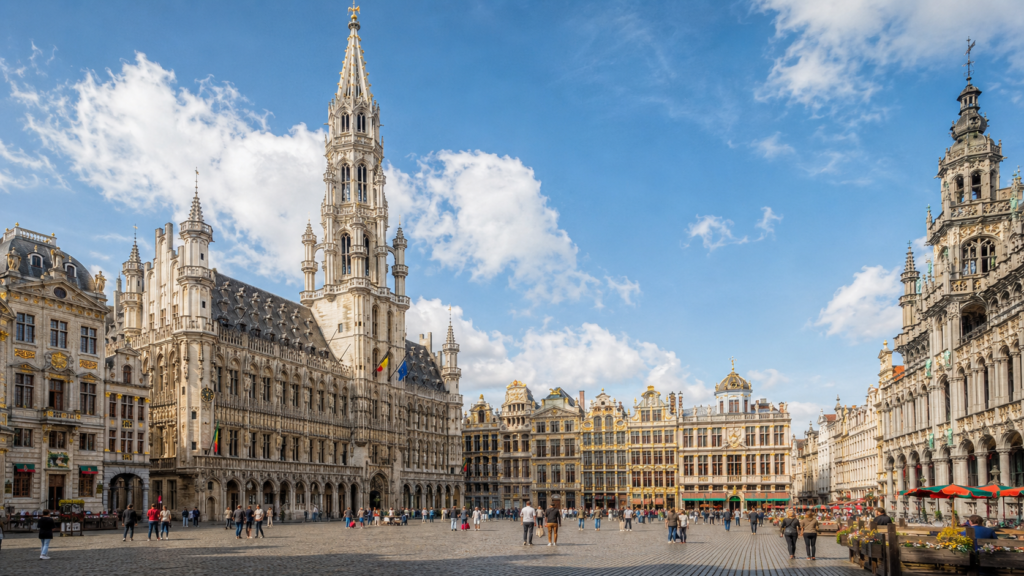
Brussels is Belgium’s capital and the natural starting point for many visitors. The city combines grand historic architecture, major museums, international institutions, lively neighborhoods, and one of Europe’s most impressive central squares.
Grand Place is the historic heart of Brussels, surrounded by ornate guild houses and the magnificent Gothic Town Hall. Walking through the surrounding streets reveals chocolate shops, cafés, restaurants, galleries, and historic buildings, while nearby attractions provide additional insight into the city’s cultural heritage.
Beyond the historic center, Brussels offers important museums, Art Nouveau architecture, green spaces, and distinctive neighborhoods. The Atomium provides one of the city’s most recognizable modern landmarks, while areas such as Sablon offer a different atmosphere from the busiest tourist streets.
Brussels also works particularly well as a transportation base. Frequent trains connect the capital with Bruges, Ghent, Antwerp, Leuven, and other Belgian destinations, making several of the country’s highlights accessible as day trips.
2. Bruges
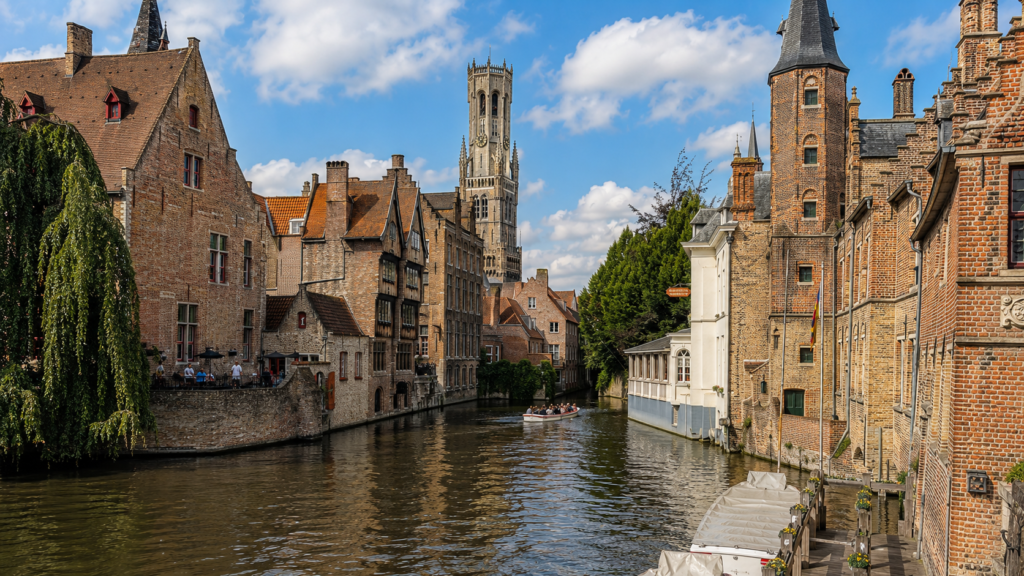
Bruges is one of Belgium’s most beautiful historic cities, famous for its canals, cobblestone streets, medieval buildings, bridges, and remarkably well-preserved city center. Its romantic appearance has made it one of the country’s most popular destinations.
The Markt forms the heart of the historic center, surrounded by colorful architecture and dominated by the Belfry of Bruges. Nearby streets lead toward churches, historic squares, quiet canals, traditional houses, chocolate shops, and small courtyards.
A canal boat journey provides another perspective of Bruges, passing beneath old bridges and alongside historic buildings that developed around the city’s waterways. Walking early in the morning or later in the evening can also reveal a quieter side of the historic center.
Although Bruges can be visited as a day trip from Brussels, staying overnight allows more time to explore beyond the busiest streets. Once many day visitors leave, the illuminated canals and historic squares create a particularly atmospheric evening experience.
3. Ghent
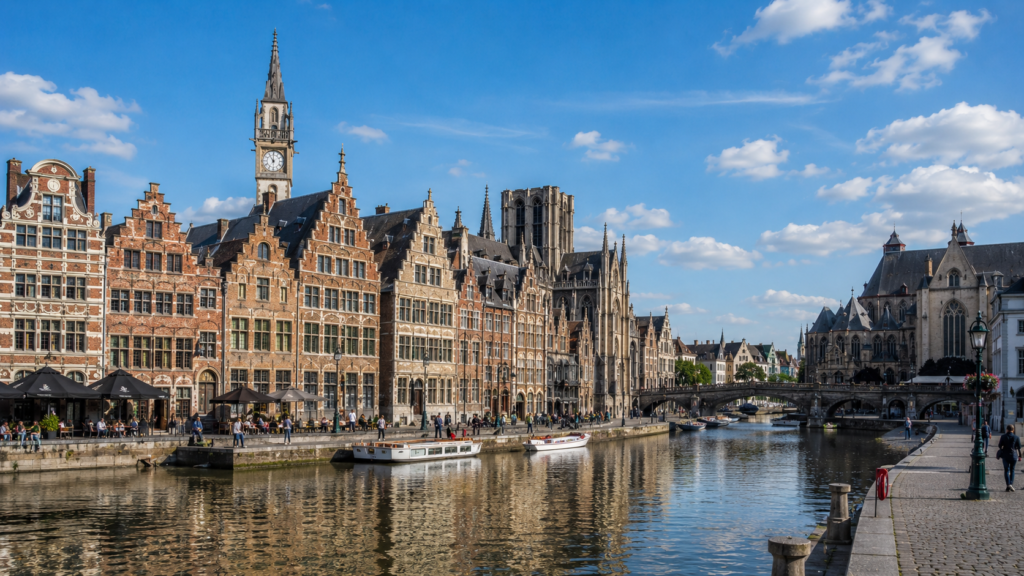
Ghent combines spectacular medieval architecture with the energy of a modern university city. It is larger and livelier than Bruges while still preserving one of Belgium’s most impressive historic centers.
Graslei and Korenlei form one of the city’s most recognizable waterfront areas, where historic guild houses line the River Leie. Nearby, towers, churches, pedestrian streets, bridges, and public squares create an exceptionally attractive urban landscape.
Gravensteen Castle provides another highlight. The medieval fortress rises dramatically within the city center and offers visitors an opportunity to explore a very different aspect of Ghent’s history. The surrounding neighborhoods are filled with cafés, restaurants, independent shops, and cultural venues.
Ghent is especially rewarding for travelers who want historic architecture without sacrificing contemporary city life. It can be visited on a day trip, but spending at least one night provides more time to explore the canals and experience the city after dark.
4. Antwerp
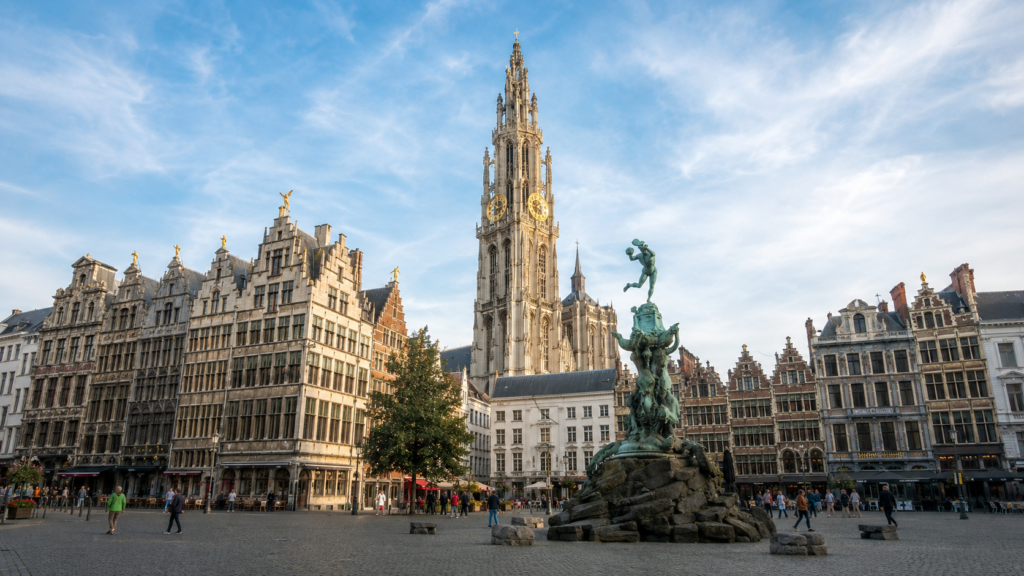
Antwerp is Belgium’s largest city by population within the municipality and one of Europe’s historic centers of trade, art, fashion, and diamonds. Its grand architecture and creative character provide a noticeably different experience from Brussels, Bruges, or Ghent.
The historic center is focused around Grote Markt, where elaborate guild houses surround an impressive public square near the Cathedral of Our Lady. The cathedral is closely associated with the work of Peter Paul Rubens, one of the most important artists connected with Antwerp.
The city also offers museums, fashion boutiques, contemporary architecture, cafés, restaurants, and an extensive shopping district. Antwerp Central Station is itself one of the city’s architectural highlights and provides a memorable introduction for visitors arriving by train.
Antwerp’s combination of historic wealth and modern creativity makes it particularly appealing for travelers interested in art, architecture, design, fashion, and urban culture. Its excellent railway connections also make it easy to combine with Brussels or other Belgian cities.
5. Dinant
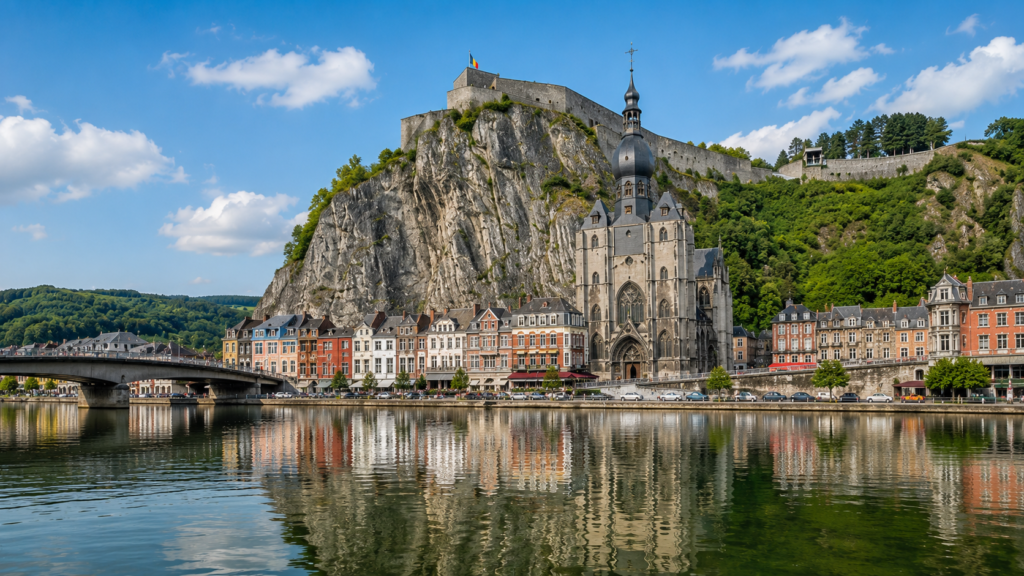
Dinant is one of Belgium’s most picturesque small cities, dramatically positioned along the Meuse River beneath steep rocky cliffs. Its colorful riverside buildings, distinctive church, historic citadel, and surrounding green hills create a landscape very different from the medieval cities of northern Belgium.
The Collegiate Church of Notre Dame de Dinant is one of the city’s most recognizable landmarks, with its distinctive onion-shaped dome rising beside the river. High above the town, the Citadel of Dinant provides panoramic views across the Meuse Valley and surrounding countryside.
Dinant is also associated with Adolphe Sax, the inventor of the saxophone, who was born here. Visitors will find references to this musical heritage throughout the town. The compact center makes Dinant easy to explore on foot, while the surrounding region offers opportunities for scenic drives, river activities, and countryside excursions.
6. Leuven
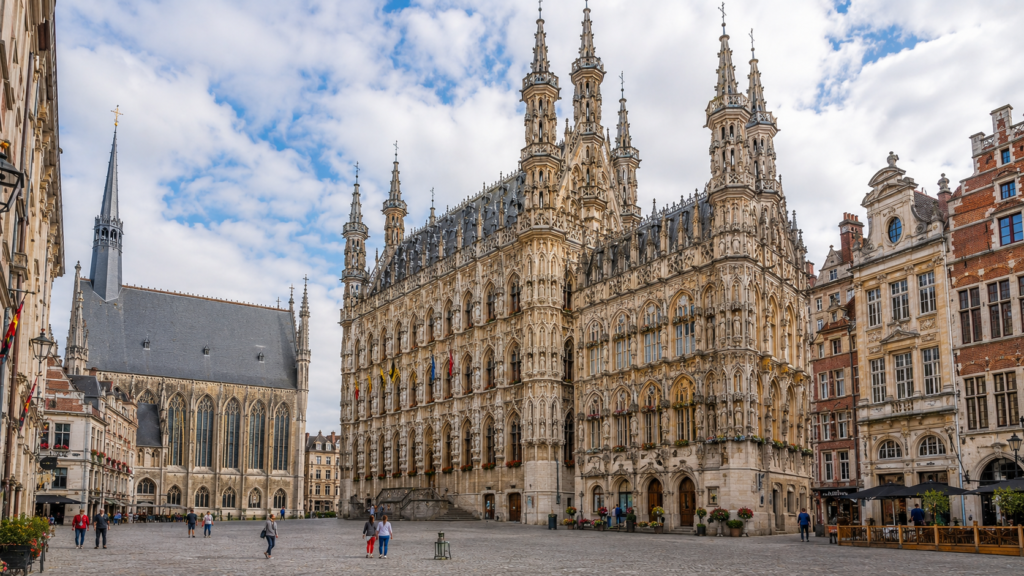
Leuven is a historic university city east of Brussels, combining impressive Gothic architecture with a youthful atmosphere created by one of Europe’s oldest universities. Its compact center makes it particularly enjoyable to explore on foot.
The spectacular Town Hall is Leuven’s architectural centerpiece, featuring an extraordinarily detailed Gothic façade decorated with numerous statues. Directly opposite stands St. Peter’s Church, while surrounding streets contain cafés, restaurants, shops, and university buildings.
Leuven also has a strong brewing tradition and a lively café culture. The Oude Markt is lined with places to eat and drink and becomes especially energetic when university students are in town.
With frequent railway connections from Brussels, Leuven works well as either a day trip or an overnight destination for travelers interested in architecture, university history, and local Belgian culture.
7. Mechelen
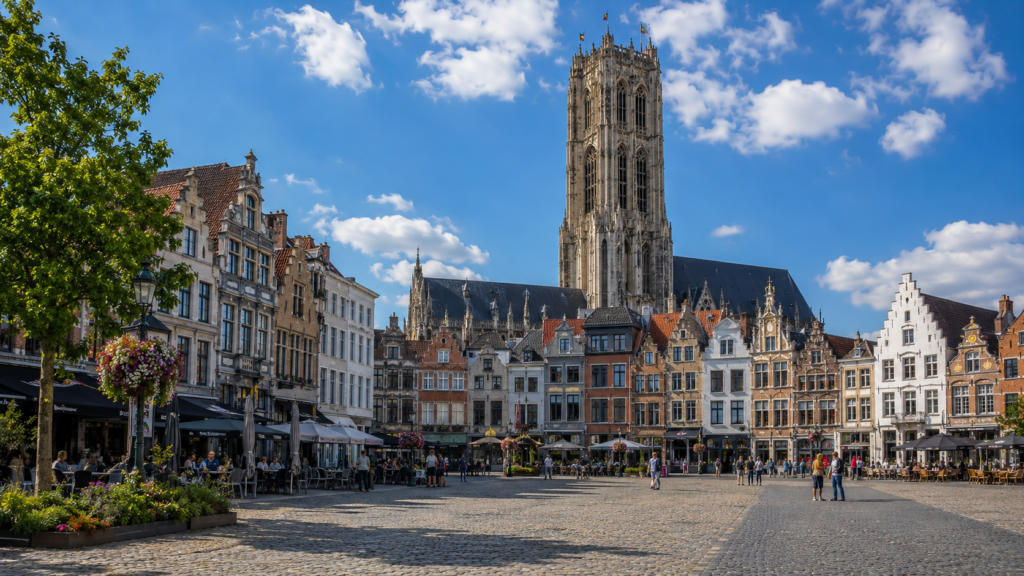
Located between Brussels and Antwerp, Mechelen is an attractive historic city that receives fewer international visitors than Belgium’s most famous destinations. Its manageable size and impressive architecture make it a worthwhile addition to a longer Belgian itinerary.
Grote Markt forms the center of the old city, surrounded by historic buildings and dominated by St. Rumbold’s Cathedral. The cathedral’s enormous tower rises above the surrounding streets and provides panoramic views for visitors willing to make the climb.
Elsewhere in the city, travelers can discover traditional houses, peaceful waterways, museums, churches, courtyards, and pedestrian streets. Mechelen’s quieter atmosphere makes it particularly appealing for visitors who enjoy historic Belgian architecture but want an alternative to busier Bruges or Brussels.
8. Ardennes
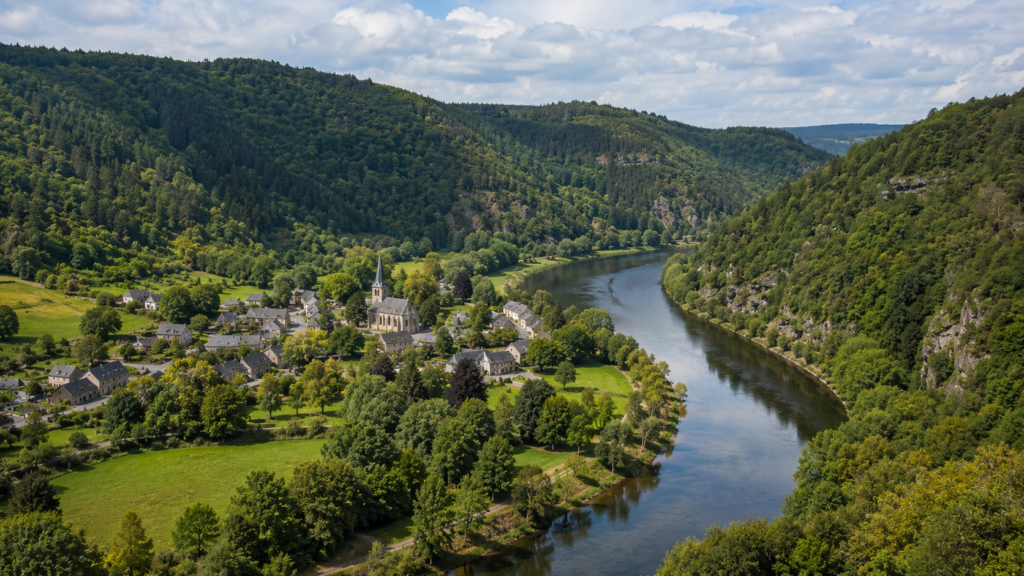
The Belgian Ardennes provide a completely different experience from the country’s historic cities. This forested region in southern Belgium is characterized by rolling hills, river valleys, small villages, castles, caves, and extensive areas of woodland.
Outdoor activities are among the main reasons to visit. Hiking, cycling, kayaking, and scenic drives allow travelers to experience the landscape, particularly during the warmer months. Autumn can also be especially attractive when the forests change color.
The region contains numerous towns and villages that can serve as bases for exploring the countryside. Historic castles and important Second World War sites add cultural and historical interest alongside the natural scenery.
A car provides greater flexibility when exploring the Ardennes because attractions are more widely dispersed than in Belgium’s urban regions. Spending several days here can provide a peaceful contrast to Brussels, Bruges, Ghent, and Antwerp.
9. Ypres
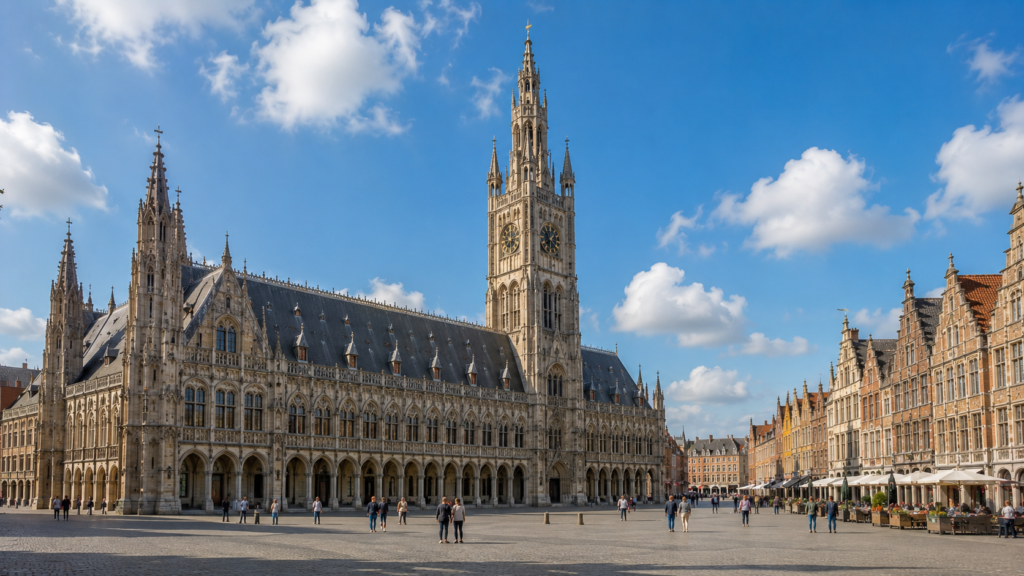
Ypres, also known by its Dutch name Ieper, is one of Belgium’s most important destinations for understanding the history of the First World War. The city and surrounding region were at the center of several major battles on the Western Front.
The impressive Cloth Hall dominates the central Grote Markt and today houses the In Flanders Fields Museum, which explores the experiences and consequences of the war. The reconstructed historic center also demonstrates how extensively Ypres was rebuilt following wartime destruction.
The Menin Gate is another essential landmark. The memorial commemorates soldiers of the British Empire who died in the surrounding area and have no known grave. The Last Post ceremony held here has become one of the city’s most significant traditions.
Travelers interested in history can also explore cemeteries, memorials, preserved battlefield areas, and museums throughout the surrounding countryside. Ypres is therefore best approached as both a historic Belgian city and an important place of remembrance.
10. Spa
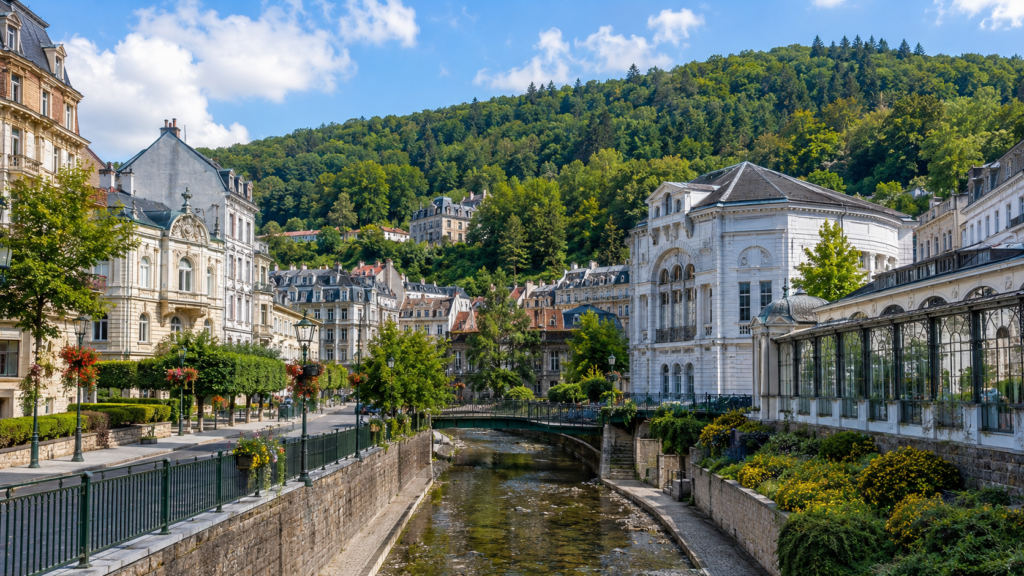
The town of Spa in eastern Belgium became so famous for its mineral springs and wellness traditions that its name eventually became associated internationally with health resorts and therapeutic bathing.
Visitors can experience the town’s historic architecture, surrounding forests, walking routes, and modern thermal facilities. Spa’s relatively peaceful atmosphere provides a noticeable contrast to Belgium’s larger cities.
The surrounding region is also known internationally for the Spa-Francorchamps motor-racing circuit, located a short distance from town. Events can significantly affect visitor numbers and accommodation availability, so travelers should check the local calendar when planning a stay.
Spa works particularly well as part of an itinerary through eastern Belgium or the Ardennes, combining wellness, nature, history, and countryside within one destination.
Best Time to Visit Belgium
Belgium can be visited throughout the year, although late spring through early autumn generally offers the most comfortable conditions for sightseeing. May, June, and September are particularly attractive for walking through historic cities while avoiding some of the busiest summer periods.
July and August bring warmer weather, longer daylight hours, festivals, and busy outdoor terraces. Major destinations such as Bruges and Brussels can attract substantial visitor numbers during this period, so booking accommodation in advance is advisable.
Spring brings parks and gardens back to life, while autumn provides cooler temperatures and attractive colors in regions such as the Ardennes. Rain is possible throughout the year, so carrying a lightweight waterproof layer is useful regardless of the season.
Late November and December offer a different experience, with Christmas markets, festive decorations, seasonal food, and illuminated historic squares appearing in several Belgian cities. Winter temperatures can be cold and daylight hours shorter, but the atmosphere can be particularly appealing for city-focused trips.
Local Food You Should Try
Belgium has an internationally recognized food culture, and trying regional specialties is an important part of visiting the country. Chocolate, waffles, fries, seafood, and brewing traditions are particularly famous, but Belgian cuisine extends far beyond these well-known foods.
Belgian Waffles – Belgium has several waffle traditions. Brussels waffles are typically lighter and rectangular, while Liège waffles are denser, sweeter, and often contain caramelized pearl sugar.
Belgian Fries – Fries are an important part of Belgian food culture and are commonly served in paper cones with a wide variety of sauces. Specialized fry shops known as friteries or fritkots can be found throughout the country.
Moules-Frites – Mussels served with fries are one of Belgium’s most recognizable dishes, particularly popular in restaurants in Brussels and other major cities.
Carbonnade Flamande – A rich Flemish beef stew traditionally prepared with beer and commonly served with fries or bread.
Waterzooi – A creamy stew associated particularly with Ghent, traditionally prepared with fish or chicken together with vegetables.
Belgian Chocolate – Belgium is internationally famous for chocolate making. Brussels, Bruges, Antwerp, and other cities contain numerous chocolatiers offering pralines, truffles, and other handmade specialties.
Speculoos – A crisp spiced biscuit traditionally associated with Belgium and neighboring regions, commonly served with coffee and incorporated into various desserts.
Belgian Beer – Belgium has an exceptionally diverse brewing heritage, ranging from Trappist and abbey beers to lambic, gueuze, saison, and numerous regional styles. Travelers interested in Belgian beer should enjoy it responsibly and explore the cultural traditions surrounding local brewing.
Transportation
Belgium is relatively easy to explore using public transportation, particularly for travelers focusing on major cities. The national railway network connects Brussels with Bruges, Ghent, Antwerp, Leuven, Mechelen, and many other destinations, making train travel one of the most convenient ways to move around the country.
Brussels also serves as Belgium’s main international transportation hub, with rail connections to neighboring countries and extensive local public transport. Within major cities, travelers can use combinations of trams, buses, metro services, and local trains depending on the destination.
A rental car is generally unnecessary for an itinerary focused on Brussels, Bruges, Ghent, and Antwerp. Driving becomes more useful when exploring rural areas such as the Ardennes, where attractions, villages, castles, and natural areas are more widely dispersed.
Because distances between Belgium’s major cities are relatively short, travelers can easily stay in one city and take day trips. However, spending at least one night in places such as Bruges or Ghent allows more time to experience their historic centers after the busiest daytime hours.
Accommodation
Belgium offers accommodation ranging from budget hostels and guesthouses to boutique hotels, apartments, international hotel chains, and luxury properties. Brussels has the widest selection, while Bruges, Ghent, and Antwerp also provide numerous options within walking distance of their historic centers.
Staying near the historic center can be particularly convenient in Bruges and Ghent because many major attractions can then be reached on foot. In Brussels, accommodation near a metro or railway station can make sightseeing and day trips easier.
Prices generally increase during weekends, festivals, major conferences, holidays, and popular summer periods. Bruges can also become expensive during busy travel dates because of its popularity with international visitors.
Travelers planning to explore the Ardennes may prefer smaller hotels, countryside guesthouses, or locally operated properties that provide easier access to hiking routes and rural attractions.
Practical Travel Tips
- Currency: Belgium uses the euro (€). Credit and debit cards are widely accepted, although carrying a small amount of cash can still be useful.
- Languages: Dutch, French, and German are Belgium’s official languages. English is commonly understood in major tourist destinations.
- Use trains between cities: Brussels, Bruges, Ghent, Antwerp, Leuven, and Mechelen are particularly convenient to combine by rail.
- Bring weather protection: Rain can occur throughout the year, so a lightweight waterproof jacket or umbrella is useful.
- Wear comfortable shoes: Historic centers often include cobblestone streets and are best explored on foot.
- Stay overnight in Bruges: The historic center becomes noticeably quieter after many day visitors leave.
- Reserve popular experiences: Well-known museums, tours, restaurants, and seasonal events may benefit from advance reservations.
- Consider a car for the Ardennes: Rural attractions are more dispersed and can be easier to reach independently.
Frequently Asked Questions
Is Belgium expensive to visit?
Belgium can be moderately expensive, particularly for accommodation in Brussels, Bruges, and other popular destinations. Travelers can control costs by using public transportation, booking accommodation early, choosing casual restaurants, and combining nearby cities by train rather than renting a car.
How many days should I spend in Belgium?
Five to seven days provides enough time for a first trip combining Brussels, Bruges, Ghent, and Antwerp. Travelers with seven to ten days can add destinations such as Leuven, Dinant, Ypres, or the Ardennes without making the itinerary feel overly rushed.
What is the best city to visit in Belgium for the first time?
Brussels is the most practical starting point because of its international transportation connections and central location. Bruges is ideal for medieval scenery and canals, while Ghent provides a strong combination of historic architecture and contemporary city life.
Can I visit Bruges and Ghent as day trips from Brussels?
Yes. Both cities have convenient railway connections with Brussels and can be visited independently as day trips. However, spending a night in either city provides more time to explore and enjoy the historic center outside the busiest daytime periods.
Do I need a car to travel around Belgium?
A car is unnecessary for most city-based itineraries. Trains connect Belgium’s major destinations efficiently. Renting a car becomes more useful when exploring the Ardennes, countryside, smaller villages, and attractions that are less convenient to reach by public transportation.
Is Belgium suitable for families?
Yes. Belgium offers castles, canal cruises, interactive museums, parks, historic town centers, chocolate experiences, family-friendly attractions, and convenient train connections. Families can easily combine educational activities with relaxed sightseeing.
Official Tourism Website
For official destination information, cultural attractions, cities, regional experiences, events, transportation inspiration, and practical resources for planning your trip, visit Belgium’s Official Tourism Websites
Related Destinations
Best Places to Visit in Amsterdam in 2026
Continue north to Amsterdam for historic canals, world-class museums, distinctive architecture, charming neighborhoods, and one of Europe’s most enjoyable urban travel experiences.
Best Places to Visit in Germany in 2026
Travel east into Germany to explore historic cities, medieval towns, magnificent castles, scenic river valleys, dense forests, and the dramatic landscapes of the Bavarian Alps.
Best Places to Visit in France in 2026
Continue south into France for celebrated historic cities, famous cultural landmarks, beautiful countryside, regional cuisine, Alpine scenery, and Mediterranean coastlines.
Best Places to Visit in Switzerland in 2026
Extend your European journey to Switzerland for spectacular Alpine mountains, crystal-clear lakes, scenic railways, picturesque villages, and elegant historic cities.