
Introduction
When people think of South Korea, images of vibrant cities, K-pop, historic palaces, and advanced technology often come to mind. Yet one simple dish appears almost everywhere, from family dinner tables and traditional restaurants to luxury hotels and convenience stores. That dish is kimchi.
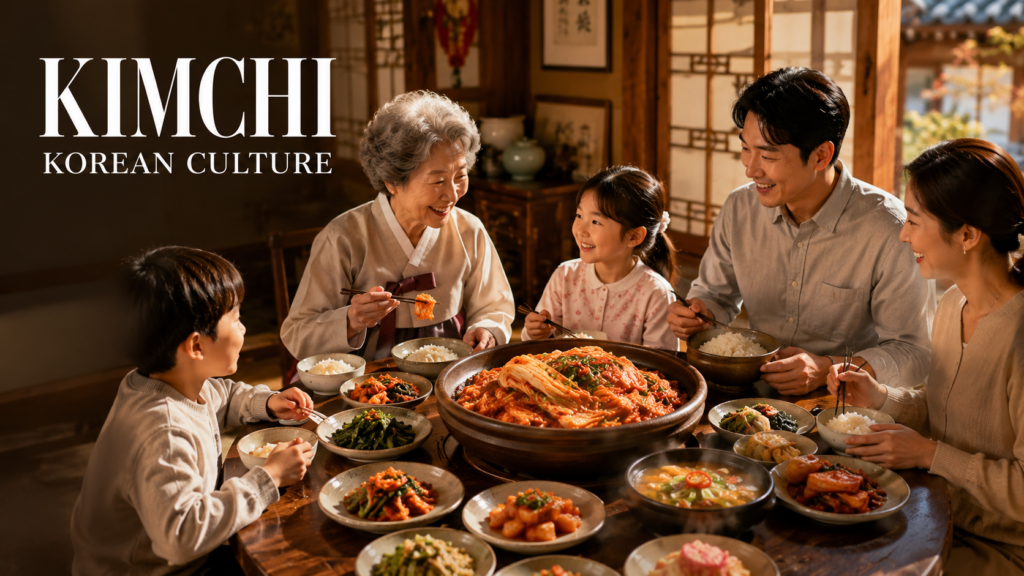
For many visitors, kimchi is simply a spicy side dish served before the main course. However, for Koreans, it represents much more than food. Kimchi reflects the country’s history, climate, family traditions, and cultural identity. It is prepared with care, shared among generations, and enjoyed with almost every meal regardless of social status or age.
This is why kimchi is often described as the heart of Korean cuisine. Understanding its story allows travelers to appreciate not only one of Korea’s most famous foods but also the traditions and values that have shaped Korean society for centuries.
What Is Kimchi?
Kimchi is a traditional Korean fermented vegetable dish made by seasoning vegetables with ingredients such as chili pepper, garlic, ginger, spring onions, fish sauce, salted seafood, and various spices before allowing them to ferment naturally.
Although napa cabbage kimchi is the variety most international visitors recognize, hundreds of different types exist throughout South Korea.
Depending on the season and region, kimchi may be prepared using:
- Napa cabbage
- Korean radish
- Cucumber
- Green onions
- Mustard leaves
- Perilla leaves
- Young radish
- Water radish
Every family has its own recipe, and slight differences in ingredients, fermentation time, and seasoning create unique flavors that have often been passed down for generations.
A History That Goes Back Thousands of Years
Kimchi has a history stretching back more than two thousand years.
Long before chili peppers arrived in Korea during the sixteenth century, people preserved vegetables using salt to survive the country’s long, cold winters when fresh produce was difficult to obtain.
Early forms of kimchi were much simpler than today’s versions. They consisted mainly of salted vegetables stored in clay jars buried underground, where stable temperatures allowed natural fermentation to continue throughout the winter.
As new ingredients became available through trade, Korean cooks gradually developed the rich, spicy recipes now enjoyed around the world.
Despite these changes, the original purpose of kimchi remained the same: preserving seasonal vegetables while creating nutritious food that could last for months.
Why Do Koreans Eat Kimchi Every Day?
One of the biggest surprises for many visitors is discovering that kimchi accompanies almost every Korean meal.
Whether eating breakfast, lunch, or dinner, kimchi is usually served alongside rice, soup, grilled meat, noodles, or seafood.
Several reasons explain this tradition.
First, kimchi provides balance. Its refreshing acidity, slight sweetness, and spicy flavor complement rich dishes such as Korean barbecue or fried foods.
Second, fermentation creates complex flavors that improve many meals without overpowering the main ingredients.
Finally, kimchi has become part of everyday family life. Most Koreans grow up eating it from childhood, making it as familiar as bread in many Western countries or rice in much of Asia.
For many households, a meal without kimchi simply feels incomplete.
Kimjang: A Tradition Recognized by UNESCO
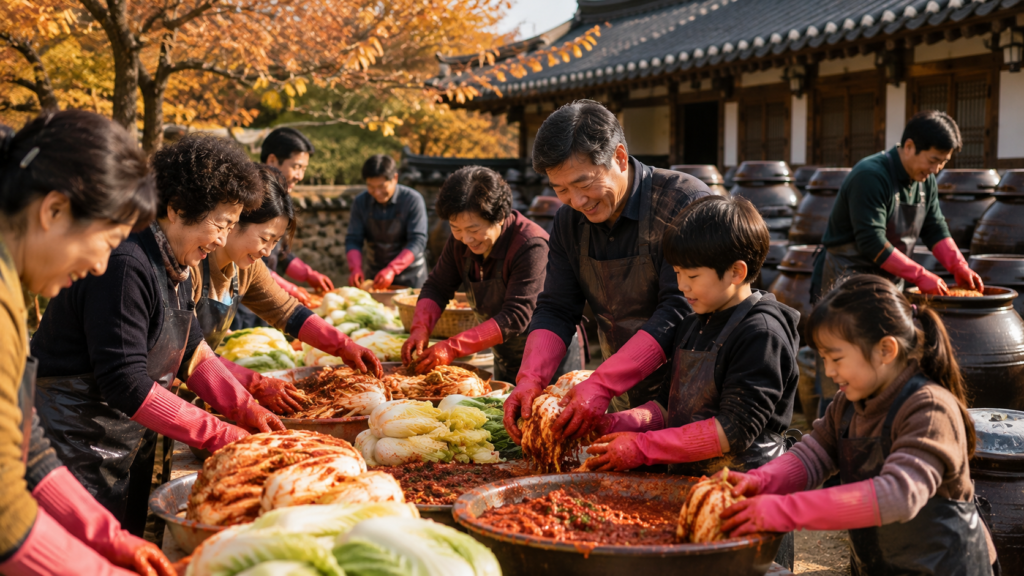
Perhaps the strongest example of kimchi’s cultural importance is Kimjang, the traditional practice of preparing large quantities of kimchi before winter.
Every autumn, families, neighbors, and entire communities gather to make enough kimchi for the colder months ahead.
Preparing kimchi is not simply cooking.
It is an opportunity for older generations to teach younger family members traditional recipes, preparation techniques, and cultural values.
Large groups wash vegetables, prepare seasoning paste, fill cabbage leaves, and carefully store the finished kimchi together.
This spirit of cooperation reflects the importance of family and community within Korean society.
Recognizing its cultural significance, UNESCO added Kimjang, Making and Sharing Kimchi in the Republic of Korea to the Representative List of the Intangible Cultural Heritage of Humanity in 2013.
More Than 200 Different Types of Kimchi

Although cabbage kimchi is the best known, Korea produces an incredible variety of regional kimchi.
Some popular examples include:
- Baechu Kimchi (Napa cabbage)
- Kkakdugi (Cubed radish)
- Oi Sobagi (Stuffed cucumber)
- Baek Kimchi (White kimchi without chili)
- Chonggak Kimchi (Young ponytail radish)
- Gat Kimchi (Mustard leaf)
- Yeolmu Kimchi (Young summer radish)
- Nabak Kimchi (Water kimchi)
Different regions often develop their own styles based on local ingredients and climate.
Southern areas generally prepare spicier kimchi with more seafood seasoning, while northern regions often produce milder varieties with lighter flavors.
Traveling across South Korea provides an excellent opportunity to experience these regional differences firsthand.
Why Kimchi Represents Korean Identity
Kimchi is far more than a traditional side dish. For many Koreans, it represents their history, resilience, and national identity.
Throughout history, Korea experienced wars, economic hardship, and rapid modernization. Despite these changes, kimchi remained a constant part of everyday life.
Families continued preparing kimchi together, recipes were passed from parents to children, and communities gathered each autumn for Kimjang. As a result, kimchi became a symbol of continuity, reminding people of their cultural roots regardless of how much society changed.
Even Koreans living overseas often describe homemade kimchi as something that makes them feel connected to home.
For international travelers, understanding this emotional connection helps explain why kimchi occupies such an important place in Korean culture.
The Science Behind Fermented Kimchi
One reason kimchi has attracted global attention is its natural fermentation process.
Unlike fresh vegetables, fermented kimchi develops beneficial bacteria over time. These microorganisms help create its distinctive sour flavor while contributing to its nutritional value.
Kimchi contains:
- Dietary fiber
- Vitamins A, B, and C
- Minerals
- Antioxidants
- Lactic acid bacteria
Because of these nutrients, kimchi has become one of the world’s best-known fermented foods.
Researchers continue studying fermented foods and their relationship with gut health, although kimchi should primarily be enjoyed as part of a balanced diet rather than viewed as a miracle food.
The fermentation process also allows kimchi to develop increasingly complex flavors, which is why many Koreans prefer kimchi that has matured for several weeks or even months.
How Kimchi Is Used in Korean Cooking
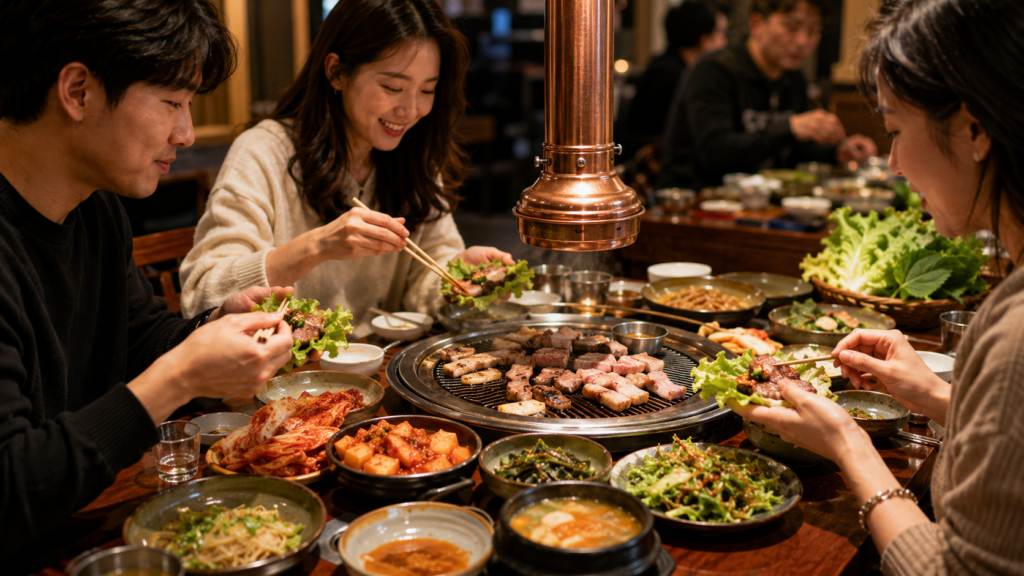
Although kimchi is commonly served as a side dish, it also appears in many of Korea’s most popular meals.
Some famous dishes include:
- Kimchi Fried Rice (Kimchi Bokkeumbap)
- Kimchi Stew (Kimchi Jjigae)
- Kimchi Pancake (Kimchi Jeon)
- Kimchi Dumplings (Kimchi Mandu)
- Kimchi Udon
- Kimchi Ramen
- Kimchi Fried Noodles
Older, more fermented kimchi is often preferred for cooking because its stronger flavor adds depth to soups, stews, and stir-fried dishes.
This means kimchi rarely goes to waste in Korean households.
Fresh kimchi is usually eaten as a side dish, while older kimchi is transformed into comforting home-style recipes.
Modern Kimchi Around the World
Today, kimchi is no longer enjoyed only in South Korea.
As Korean culture spread internationally through K-pop, Korean dramas, films, and cuisine, interest in kimchi increased dramatically.
Many countries now produce locally made kimchi, while Korean restaurants around the world proudly serve homemade versions alongside traditional dishes.
International supermarkets increasingly stock refrigerated kimchi, making it accessible to millions of consumers who wish to experience authentic Korean flavors.
Professional chefs have also begun incorporating kimchi into international cuisine.
Modern creations include:
- Kimchi burgers
- Kimchi tacos
- Kimchi pizza
- Kimchi grilled cheese sandwiches
- Kimchi pasta
Although these fusion dishes differ from traditional Korean recipes, they demonstrate how adaptable and internationally appreciated kimchi has become.
What Travelers Should Know Before Trying Kimchi
If you are visiting South Korea for the first time, tasting kimchi is almost unavoidable.
Fortunately, there are many varieties suitable for different preferences.
Travelers who dislike spicy food may enjoy white kimchi, which contains no chili peppers and offers a milder, refreshing flavor.
Those who enjoy stronger flavors can explore regional specialties prepared with seafood, garlic, or additional fermented ingredients.
Kimchi is traditionally shared among everyone at the table, so it is perfectly normal to take small portions throughout the meal rather than finishing it all at once.
Trying kimchi with grilled meat, rice, or traditional Korean soups provides the most authentic dining experience.
Visiting local markets, family-run restaurants, or even participating in a kimchi-making class offers travelers a deeper understanding of why this humble dish remains one of Korea’s greatest cultural treasures.
Final Thoughts
Kimchi is much more than South Korea’s most famous food. It tells the story of a nation that learned to preserve seasonal harvests, strengthen communities, and pass traditions from one generation to the next. Its long history, remarkable variety, and central role in everyday life have transformed kimchi into a powerful symbol of Korean identity.
For travelers, tasting kimchi is not simply about trying a fermented vegetable dish. It is an opportunity to experience one of Korea’s oldest traditions and understand why millions of Koreans continue to cherish it every single day.
Whether enjoyed fresh alongside Korean barbecue, simmered in a comforting bowl of kimchi stew, or prepared during a traditional Kimjang gathering, kimchi offers visitors a delicious introduction to the culture, history, and spirit of South Korea.