
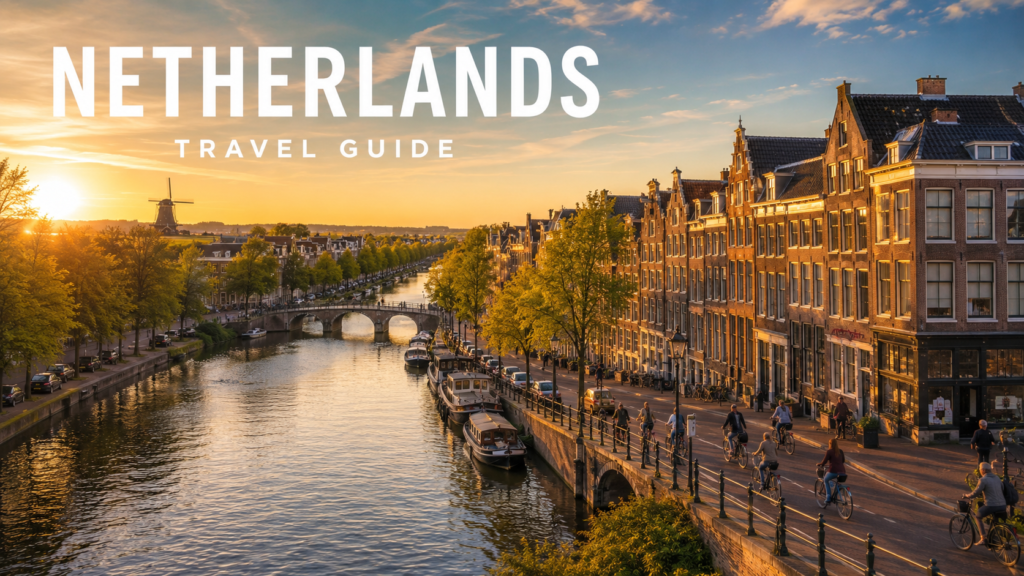
Many first-time visitors arrive in the Netherlands expecting one thing: Amsterdam.
And while the capital certainly deserves its reputation, it is only a small part of what makes the country special.
Within just a few hours, you can travel from world-famous canals to modern architecture, peaceful countryside, traditional windmills, colorful tulip fields, quiet fishing villages, and long stretches of North Sea coastline.
The Netherlands is also one of the easiest countries in Europe to explore independently.
Public transportation is excellent, English is widely spoken, distances between cities are short, and many destinations can be visited without renting a car.
That does not mean there are no surprises.
Many visitors underestimate how expensive Amsterdam can be, accidentally walk into bicycle lanes, assume coffee shops are ordinary cafés, or arrive hoping to see tulips long after the season has ended.
This guide focuses on the practical side of traveling in the Netherlands.
Rather than listing attractions, it explains how to plan a smoother trip, avoid common mistakes, understand local customs, and enjoy the country beyond the postcards.
The Netherlands Is Smaller Than You Think
One of the biggest advantages of traveling in the Netherlands is its size.
Looking at a map, the country may appear small, but it is only when you begin planning that you realize how easy it is to move around.
Amsterdam to Rotterdam takes less than an hour by train.
The Hague, Utrecht, Haarlem, Delft, and many other cities are all close enough for easy day trips.
That means you rarely need to pack and unpack every night.
Instead of changing hotels constantly, many travelers choose one or two bases and explore the surrounding region by train.
A slower itinerary almost always leads to a better experience than trying to sleep in a different city every evening.
Don’t Plan Your Trip Around Amsterdam Alone
It is completely understandable that Amsterdam sits at the top of most itineraries.
The canals, museums, historic houses, and lively atmosphere make it one of Europe’s most recognizable cities.
But stopping there means missing much of what the Netherlands does best.
Rotterdam offers bold modern architecture unlike anywhere else in the country.
The Hague combines beaches with museums and government buildings.
Utrecht provides many of Amsterdam’s canal-side charm but with a quieter atmosphere.
Giethoorn replaces roads with waterways.
Kinderdijk preserves one of the country’s most iconic windmill landscapes.
Each destination shows a different side of Dutch life.
If your trip lasts a week, try to spend at least two or three days outside Amsterdam.
The contrast is often what visitors remember most.
Choose the Right Time of Year
Many people assume spring is automatically the best time to visit.
That is true if you are coming for tulips.
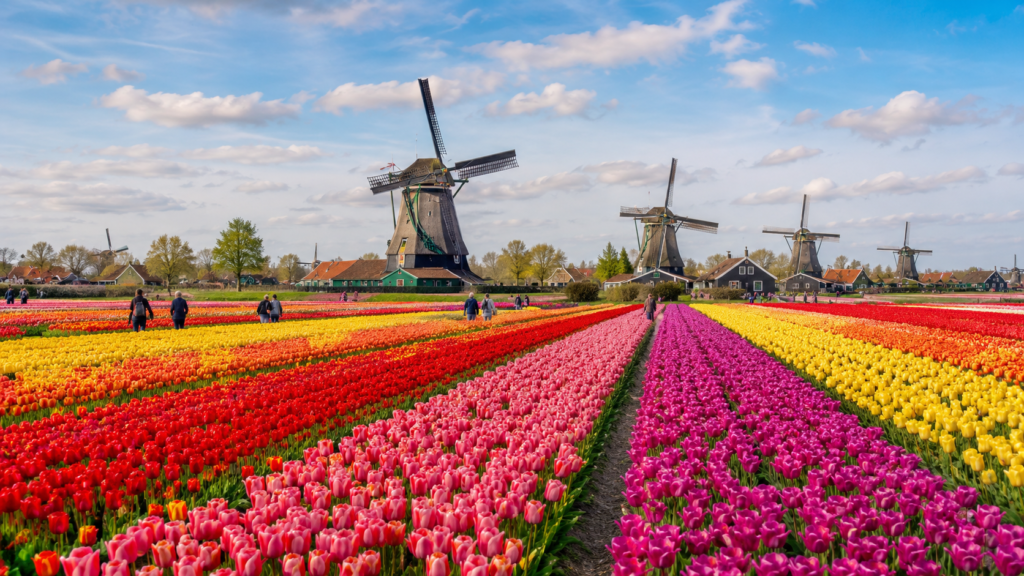
The famous flower fields usually bloom between late March and early May, with April often offering the most spectacular scenery.
Outside those weeks, however, the experience changes completely.
Summer brings longer days, outdoor cafés, festivals, canal cruises, and lively public squares.
It is also the busiest season, particularly in Amsterdam.
Autumn is quieter and often underrated.
Parks begin changing color, museums become less crowded, and temperatures remain comfortable enough for walking.
Winter feels completely different again.
Christmas markets, festive lights, and cozy cafés create a slower atmosphere, while occasional fog over canals gives historic cities an entirely new character.
There is no perfect season.
Instead, decide what you actually want to experience before choosing your travel dates.
You Probably Won’t Need a Car
Many travelers automatically search for rental cars when planning Europe.
The Netherlands is one of the few countries where that is often unnecessary.
The railway network connects nearly every major destination efficiently.
Inside cities, trams, buses, metro systems, ferries, and bicycles cover almost everything else.
Driving in Amsterdam is often more stressful than helpful.
Parking is expensive, many streets prioritize pedestrians and cyclists, and some historic neighborhoods are simply not designed around cars.
Unless your itinerary focuses on remote countryside areas, trains usually save both time and money.
The only transport many visitors eventually rent is a bicycle.
Trains Make Traveling Surprisingly Easy
Dutch trains are fast, reliable, and frequent.
Instead of spending hours comparing complicated transportation options, you can often arrive at a station and find another departure within a short time.
Major cities are connected throughout the day, making spontaneous day trips much easier than in many countries.
That flexibility changes how you plan.
Rather than rushing through every destination, you can stay in one city and decide each morning where to go next.
If the weather changes, your plans can change with it.
Few European countries offer that level of convenience.

Cycling Is Not Just for Tourists
One mistake almost every first-time visitor makes is treating bicycle lanes like ordinary sidewalks.
In the Netherlands, bicycles are part of everyday transportation.
People commute to work, take children to school, carry groceries, and travel between neighborhoods almost entirely by bike.
Cyclists expect the lanes to remain clear.
Standing in one while checking your phone can quickly result in an approaching bicycle bell.
The safest habit is simple.
Before crossing any street, look not only for cars but also for bicycles approaching from either direction.
Once you begin paying attention, you will notice that cycling is less of a tourist activity and more of a national way of life.
Cards Are Accepted Almost Everywhere
Unlike some European countries where carrying cash remains essential, the Netherlands has largely embraced electronic payments.
Most hotels, supermarkets, museums, cafés, and public transportation systems accept bank cards.
Many visitors complete an entire trip without withdrawing much cash.
That said, having a small amount of euros available is still sensible.
Occasionally you may encounter a small market stall, independent shop, or local event where cash remains useful.
More importantly, check that your payment card works internationally before departure.
A card problem creates far more inconvenience than simply carrying a few notes in your wallet.
Where Should You Stay?
Choosing the right base can shape your entire trip.
Amsterdam is ideal if this is your first visit and you want easy access to museums, canal cruises, nightlife, and transportation.
Rotterdam suits travelers interested in architecture, design, and a more contemporary atmosphere.
The Hague combines city life with the sea, making it attractive if you enjoy museums during the day and beaches in the evening.
Utrecht offers perhaps the best balance of all.
Its canals, historic center, cafés, and central location make it one of the country’s most convenient places to stay while exploring several different regions.
There is no single correct answer.
The best base depends on what kind of trip you want to have.
Dutch Food Is Simpler Than Many Visitors Expect
The Netherlands rarely appears on lists of Europe’s top food destinations.
That does not mean eating here is disappointing.
It simply means Dutch cuisine is more practical than elaborate.
Instead of long restaurant meals every day, many locals choose sandwiches for lunch, quick bakery visits, or simple homemade dishes.
For travelers, that creates an interesting balance.
You can enjoy excellent international restaurants in major cities while still discovering traditional Dutch specialties that reflect everyday life.
Stroopwafels are probably the country’s most recognizable sweet snack.
Freshly made versions found at markets taste noticeably different from packaged ones sold in supermarkets.
Bitterballen are another classic, particularly in cafés and bars.
These crispy meat-filled snacks are usually shared and are one of the easiest introductions to Dutch comfort food.
You should also try poffertjes, Dutch pancakes, local cheeses, fries served with different sauces, and traditional apple pie.
Instead of searching only for highly rated restaurants, spend some time exploring local food markets.
They often provide a better introduction to Dutch food culture than expensive dining experiences.
Coffee Shops and Cafés Are Not the Same Thing
Few topics create more confusion for first-time visitors.
In many countries, a coffee shop simply means somewhere to order coffee.
In the Netherlands, particularly in Amsterdam, the term “coffee shop” usually refers to licensed establishments where cannabis products may be sold under Dutch regulations.
If all you want is coffee, cake, or breakfast, look for a café instead.
Fortunately, the difference quickly becomes obvious once you see the menu.
Understanding this distinction simply helps avoid awkward surprises during your first morning in the city.
Dutch People Often Communicate Directly
Visitors sometimes mistake Dutch communication for rudeness.
In reality, directness is simply a normal part of everyday conversation.
People generally say what they mean without adding unnecessary politeness or indirect language.
Questions may be answered honestly rather than diplomatically.
Feedback is often straightforward.
Once you understand this cultural difference, conversations become much easier to interpret.
At the same time, Dutch society values respect, equality, and personal space.
Being punctual, speaking politely, waiting your turn, and following local rules usually creates positive interactions.
You do not need to know Dutch to travel comfortably.
English is widely spoken throughout the country, especially in cities and tourist destinations.
Learning a few simple Dutch greetings is appreciated, but communication rarely becomes a serious obstacle.

Safety Is Rarely a Major Concern
The Netherlands consistently ranks among Europe’s safer destinations.
Most visitors complete their trip without experiencing any problems.
Like almost every popular tourist destination, however, busy places attract pickpockets.
Railway stations, crowded tram stops, busy shopping streets, museums, and heavily visited areas of Amsterdam deserve a little extra attention.
The solution is usually simple.
Keep valuables secure, avoid leaving bags unattended, and stay aware of your surroundings.
If you rent a bicycle, remember to lock it properly.
Bike theft is far more common than most visitors expect.
Expect to Walk More Than You Planned
Looking at a map of Amsterdam or Utrecht can be misleading.
Everything appears close together.
It is.
But visitors often spend entire days walking between canals, museums, parks, neighborhoods, cafés, and markets.
Comfortable shoes become much more important than many travelers realize.
Weather is another consideration.
Conditions can change surprisingly quickly.
A sunny morning may become windy or rainy later in the day.
Packing light layers and a waterproof jacket is usually more useful than bringing one heavy coat outside winter.
The Netherlands Can Be Expensive, but It Doesn’t Have to Be
Amsterdam has a reputation for being expensive.
In many cases, that reputation is deserved.
Hotels, especially during spring and summer, can consume a large part of your travel budget.
Fortunately, there are several ways to reduce costs without reducing the quality of your trip.
Booking accommodation early usually offers the biggest savings.
Choosing Utrecht, Haarlem, or Rotterdam as your base can also lower hotel costs while keeping Amsterdam within easy reach by train.
Museums often require advance reservations during busy periods.
Planning ahead not only secures entry but also helps avoid paying higher last-minute prices elsewhere.
For food, bakeries, supermarkets, and local cafés often provide excellent meals at much lower prices than restaurants around major tourist attractions.
Mistakes First-Time Visitors Often Make
Most travel mistakes in the Netherlands are surprisingly easy to avoid.
The first is spending the entire trip in Amsterdam.
The capital deserves several days, but it represents only one part of the country.
The second is walking into bicycle lanes without looking.
Locals move quickly by bike and naturally expect pedestrians to stay clear of dedicated cycling routes.
Another common disappointment involves tulips.
Many travelers arrive during summer expecting colorful flower fields that only bloom in spring.
Others wait until arriving in Amsterdam before booking museum tickets, only to discover that popular time slots have already sold out.
Finally, many visitors underestimate how compact the country really is.
Trying to stay in four different hotels over one week usually creates more work than value.
One or two carefully chosen bases often produce a much more enjoyable trip.
A Good First Trip Doesn’t Need to Include Everything
It is tempting to build an itinerary that covers every famous destination.
Amsterdam.
Rotterdam.
The Hague.
Giethoorn.
Kinderdijk.
Keukenhof.
Maastricht.
Zaanse Schans.
The Netherlands certainly makes that possible.
Whether it makes the trip better is another question.
Allowing yourself time to sit beside a canal, explore a neighborhood without checking the map every few minutes, or spend an afternoon in a local café often creates stronger memories than rushing to another attraction.
The country’s greatest strength is not the number of famous landmarks.
It is how comfortable everyday travel feels.
Final Thoughts
The Netherlands is one of the easiest countries in Europe to explore independently.
Its excellent transportation system, compact geography, welcoming cities, and relaxed atmosphere remove many of the challenges that first-time travelers sometimes experience elsewhere.
At the same time, understanding a few local habits can make your trip even smoother.
Respect bicycle lanes.
Book popular museums in advance.
Do not assume Amsterdam represents the entire country.
Travel beyond the capital whenever possible.
And allow yourself enough time to enjoy the slower moments between attractions.
Those moments often become the ones you remember long after the trip is over.