
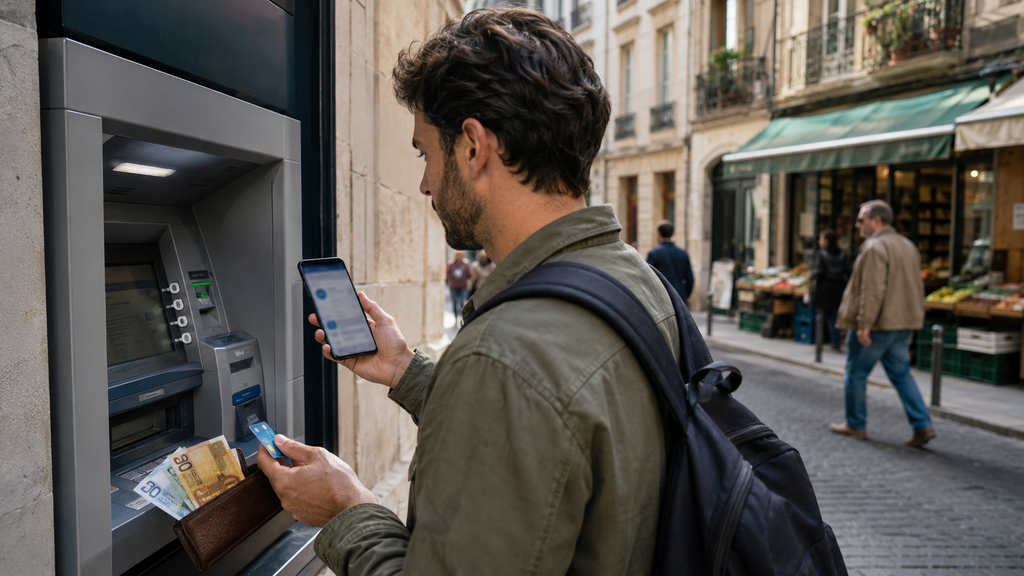
You book a cheap flight, find a reasonably priced hotel and calculate how much you expect to spend on food.
Everything seems to fit comfortably within your travel budget.
Then the trip begins.
There is a baggage fee at the airport. The airport is much farther from the city than expected. Your bank charges you for withdrawing cash. The hotel adds a local tax at check-in. You buy an expensive SIM card because you did not research alternatives.
None of these expenses seems particularly serious on its own.
Together, they can turn an affordable trip into a surprisingly expensive one.
This is something many travelers discover only after they start traveling regularly. The obvious expenses are usually easy to plan for. Flights and hotels have visible prices. It is the smaller, less obvious costs surrounding them that are easier to underestimate.
Here are 12 hidden travel costs worth checking before your next trip — and practical ways to avoid paying more than necessary.
1. Airline Baggage Fees
A cheap airline ticket can look extremely attractive until you reach the final stages of booking.
Then the extras begin.
Some fares may include little more than a seat and a small personal item. Depending on the airline and ticket type, cabin baggage, checked luggage and even choosing a particular seat may cost extra.
This becomes especially important when comparing a low-cost carrier with a traditional airline.
Imagine one flight costs $70 while another costs $110.
At first, the $70 flight appears to be the obvious budget option. But if you need to add baggage and other services, the final price might approach or even exceed the alternative.
Always compare what is included in each fare rather than comparing only the first number you see.
Before booking, check the airline’s current baggage dimensions and weight limits as well.
An oversized or overweight bag discovered at the airport can be much more expensive than arranging the correct baggage allowance in advance.
Packing light helps for exactly this reason.
2. Getting From the Airport to the City
This is one of the most frequently overlooked travel expenses.
Not every airport is close to the destination written on your ticket.
Low-cost airlines in particular sometimes operate from secondary airports located a considerable distance from the city they serve.
That $30 cheaper flight may require an expensive bus, train or taxi afterward.
Before choosing a flight, open a map and locate the airport.
Then research how you would realistically get from the terminal to your accommodation.
Consider both cost and arrival time.
Public transportation that works perfectly at 3 p.m. may no longer operate when your flight lands close to midnight.
Sometimes paying slightly more for a flight arriving at a better-connected airport can reduce both your transportation costs and your travel time.
3. Tourist and Accommodation Taxes
The price shown when searching for accommodation is not always the amount you eventually pay.
Many destinations charge some form of local tourist, city or accommodation tax. How it is calculated varies by destination.
It may be included in the booking price, or it may be collected separately by the accommodation.
The amount might seem small for one night.
Over a week or two, however, it becomes another expense that should be included in your budget.
When booking accommodation, read the price breakdown and payment conditions carefully.
Look for wording related to taxes, local charges, resort fees or additional fees payable at the property.
This is particularly important when comparing two hotels with similar advertised prices.
4. Foreign Transaction Fees
Using your normal bank card abroad is convenient, but convenience can come with a price.
Some banks charge a foreign transaction fee when you make purchases in another currency.
A small percentage may not seem important when buying lunch.
But if you use the same card for hotels, restaurants, train tickets, shopping and attractions throughout a two-week trip, those charges can accumulate.
Before traveling internationally, check the conditions attached to your debit and credit cards.
Find out whether your bank charges for foreign purchases and whether you have another card with better international conditions.
The goal is not to open a collection of bank accounts for every trip.
It is simply to understand what your existing cards will cost before you start using them abroad.
5. ATM Withdrawal Charges
Cash remains useful in many destinations, particularly at small restaurants, markets and businesses that do not accept cards.
But withdrawing it can involve several different charges.
Your own bank may charge an international ATM fee.
The ATM operator may also impose a separate fee.
There may also be costs related to currency conversion.
Withdrawing small amounts repeatedly can therefore become surprisingly inefficient.
Instead of automatically using the first ATM you encounter at the airport or tourist district, research how cash withdrawals generally work at your destination.
Check your bank’s international withdrawal policy before leaving home.
If fees apply per transaction, fewer carefully planned withdrawals may cost less than taking out small amounts every day.
At the same time, avoid carrying unnecessarily large quantities of cash.
Saving a few dollars in ATM fees is not worth creating a security problem.
6. Unfavorable Currency Conversion
One payment question regularly confuses travelers.
A card terminal or ATM may ask whether you want the transaction processed in your home currency or the local currency.
Seeing the price in a familiar currency can feel reassuring.
However, the conversion offered at the point of sale may use a different exchange rate or include additional costs compared with your card provider’s conversion.
Do not make the decision automatically.
Before traveling, learn how your card handles foreign currency transactions and understand the basic concept of dynamic currency conversion.
Also familiarize yourself with the approximate exchange rate.
You do not need to perform complicated calculations every time you buy something.
You just need enough understanding to recognize whether the price you are being offered is reasonable.
7. Mobile Data and Roaming
Few travelers want to explore an unfamiliar city without internet access.
Maps, translation apps, transportation schedules, accommodation details and messaging services have made mobile data almost essential.
But using your normal mobile plan abroad without checking roaming conditions can become expensive.
Before departure, compare the available options.
Depending on the country and your phone, these might include an international roaming package from your existing provider, a local physical SIM or an eSIM.
There is no single option that is cheapest everywhere.
The important thing is making the decision before you desperately need internet at the airport.
Download useful information in advance as a backup.
Offline maps, hotel addresses, tickets and essential booking confirmations can be extremely useful if your connection temporarily disappears.
8. Transportation Tickets Bought the Wrong Way
Public transportation is generally one of the best tools for budget travelers.
But even public transport can cost more if you do not understand the local ticket system.
Some cities offer daily caps, multi-day passes or integrated tickets covering buses, trams and metro services.
Others are cheaper when you simply pay for individual journeys.
Buying single tickets throughout the day without checking the alternatives can mean spending more than necessary.
Before arriving, estimate how often you are likely to use public transportation.
Then compare the available ticket options.
Do not automatically buy a tourist transport pass simply because it is marketed to visitors.
Calculate whether you will actually use it enough to justify the price.
Also learn whether tickets need to be validated before or after boarding. A misunderstanding that results in a fine will wipe out far more money than you hoped to save.
9. Hotel Location Costs
Accommodation is another area where the cheapest option can be misleading.
A hotel far outside the center may save money per night.
But what happens next?
Perhaps you need two metro journeys every morning and another two every evening. Maybe public transportation stops early, forcing you to use taxis at night. You may also spend an extra hour commuting every day.
That does not necessarily make the hotel a bad choice.
It simply means the nightly rate is only one part of its real cost.
When comparing accommodation, look at where you expect to spend most of your time.
Check walking distances and public transportation connections.
A slightly more expensive hotel in a practical neighborhood can sometimes produce a cheaper overall trip.
Time matters too.
If you only have three days in a city, spending several hours commuting to save a modest amount on accommodation may not represent good value.
10. Water, Snacks and Convenience Purchases
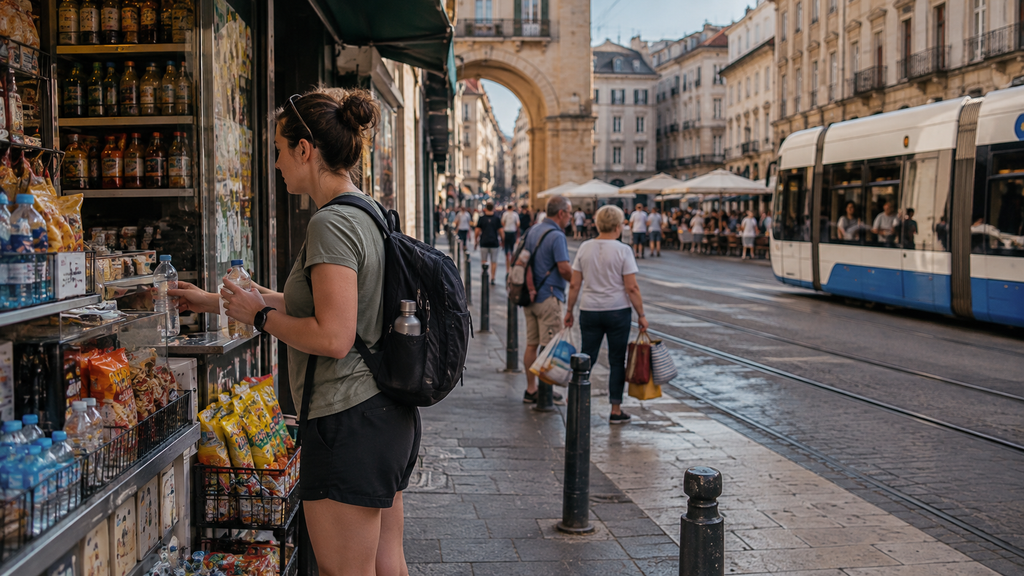
These expenses seem almost too small to mention.
That is exactly why they are easy to ignore.
You leave the hotel without water and buy a bottle beside an attraction.
Later, you buy another drink at the train station.
Then a snack at the airport.
Then coffee because breakfast near the hotel was expensive.
Repeat this pattern every day and a collection of tiny purchases becomes a meaningful part of the trip.
A reusable water bottle can help in destinations where tap water is safe and refilling is practical.
Buying snacks, fruit and drinks from ordinary supermarkets can also be considerably cheaper than purchasing them individually in major tourist areas.
This does not mean carrying a backpack full of groceries around a city.
A little preparation is enough.
11. Attraction Booking Fees and Expensive Tours
Major attractions can have several ways to buy essentially the same admission.
There may be official tickets, guided tours, third-party packages, skip-the-line products and combinations with transportation.
Some extras are genuinely useful.
Others are simply convenient ways to spend more money.
Before purchasing an attraction ticket from a third party, check the official source first and understand exactly what each option includes.
The same principle applies to tours.
A guided experience can absolutely be worth paying for, particularly at historical or culturally complex places where a knowledgeable guide adds meaningful context.
But you do not need a tour for everything.
Free walking routes, public parks, neighborhoods, markets and self-guided exploration can balance more expensive activities.
Spend money when the paid experience adds something you value, not simply because it appears first in a search result.
12. Last-Minute Emergency Spending
The most expensive decisions often happen when you have no alternatives.
You miss the final train and need a taxi.
Your charging cable breaks and you buy another one at the airport.
You forget sunscreen and purchase it beside the beach.
You arrive without the correct clothing and need something immediately.
Not every unexpected expense can be prevented.
But many can.
Before leaving your accommodation each morning, think briefly about the day ahead.
Will you need water?
A jacket?
A power bank?
Sun protection?
Cash?
An umbrella?
The objective is not to prepare for every possible disaster.
It is to avoid paying convenience prices for predictable needs.
Create a Buffer in Your Travel Budget
Even careful planning will never predict every expense.
That is why I never recommend planning a trip where the expected cost uses every dollar available.
Build a buffer into your budget.
The exact amount depends on the trip, destination and your financial situation, but there should be enough flexibility to handle an unexpected transportation cost, price increase or minor emergency without immediately creating stress.
Think of this money differently from your normal daily budget.
It is not extra spending money that needs to be used before going home.
If you never touch it, great.
But knowing it exists can make the trip much more comfortable.
Calculate the Real Cost, Not the Advertised Price
There is one principle behind almost every example in this article:
The cheapest advertised price is not necessarily the cheapest final price.
A $40 flight is not $40 if baggage and airport transportation turn it into $100.
A $30 hotel is not really cheaper than a $40 hotel if you spend the difference commuting every day.
A cheap ATM withdrawal is not cheap if several fees are added afterward.
Budget travelers become better at looking beyond the first price.
Before buying something significant, ask:
What else will I have to pay because I chose this option?
That single question can prevent many unnecessary expenses.
Final Thoughts
The biggest threat to a travel budget is not always an expensive hotel or flight.
Often, it is a collection of small costs that were never included in the original plan.
Baggage fees, airport transfers, local taxes, ATM charges, roaming, transportation mistakes and convenience purchases can quietly add hundreds of dollars to a longer international trip.
You do not need to eliminate every extra expense.
Some are unavoidable, and others may be worth paying for convenience.
The goal is simply to know about them before they happen.
When you understand the real cost of your choices, you can decide where to save, where to spend and where paying a little more actually gives you better value.
That is what smart budget travel is really about.