
Introduction
Japan is a destination that captures the imagination of travelers from around the world. From the dazzling streets of Tokyo and the peaceful temples of Kyoto to snow-covered mountains, traditional villages, and breathtaking coastlines, the country offers an unforgettable blend of ancient heritage and modern innovation.
This Japan Travel Guide is designed for first-time visitors who want to plan their trip with confidence. Whether you are traveling for one week or several weeks, understanding Japan’s transportation system, local customs, seasonal highlights, budgeting tips, and essential travel advice will help you make the most of your experience.
Japan is often considered one of the safest and cleanest countries in the world. Its efficient railway network, world-famous cuisine, welcoming atmosphere, and remarkable cultural traditions make it an ideal destination for solo travelers, couples, families, and photographers alike. With a little preparation before departure, your journey can be smoother, more enjoyable, and filled with unforgettable memories.
Why Visit Japan?
Japan is unlike almost anywhere else in the world. It successfully balances centuries-old traditions with some of the most advanced technology on the planet. You can spend the morning exploring a thousand-year-old temple before riding a high-speed bullet train to a futuristic city in the afternoon.
One of Japan’s biggest attractions is its incredible diversity. Every region has its own history, cuisine, architecture, festivals, and natural scenery. This means no two trips ever feel exactly the same.
Many travelers visit Japan because of its unique culture. Respect, politeness, cleanliness, and attention to detail are deeply woven into everyday life. Even simple experiences such as shopping in a convenience store or ordering food at a small restaurant often leave visitors impressed by the level of customer service.
Japan is also famous for its exceptional food culture. Sushi may be the country’s best-known export, but travelers quickly discover countless regional specialties including ramen, udon, tempura, yakitori, okonomiyaki, wagyu beef, fresh seafood, and beautifully prepared seasonal dishes.
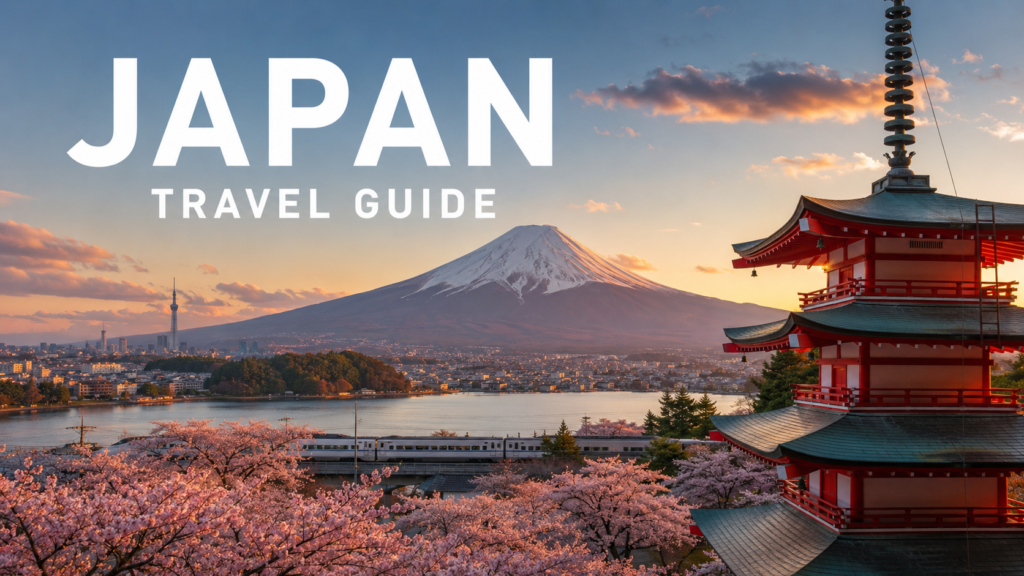
Nature lovers will find dramatic volcanic landscapes, pristine lakes, dense forests, alpine hiking trails, and thousands of kilometers of coastline. During spring, cherry blossoms transform cities into shades of pink, while autumn paints mountains in vibrant red and orange leaves.
Best Time to Visit Japan
Japan offers something special throughout the year, and choosing the best season depends on the type of experience you want.
Spring is the country’s most famous travel season. Between late March and early April, cherry blossoms bloom across much of Japan, creating breathtaking scenery in parks, castles, riversides, and gardens. Hanami, or flower viewing, is one of Japan’s most beloved traditions. Because this period is extremely popular, flights and accommodation should be booked months in advance.
Summer is ideal for festivals, mountain hiking, and outdoor adventures. Although cities like Tokyo and Osaka become hot and humid, northern Japan remains pleasantly cool. Visitors can enjoy spectacular fireworks festivals, colorful traditional celebrations, and beautiful coastal destinations.
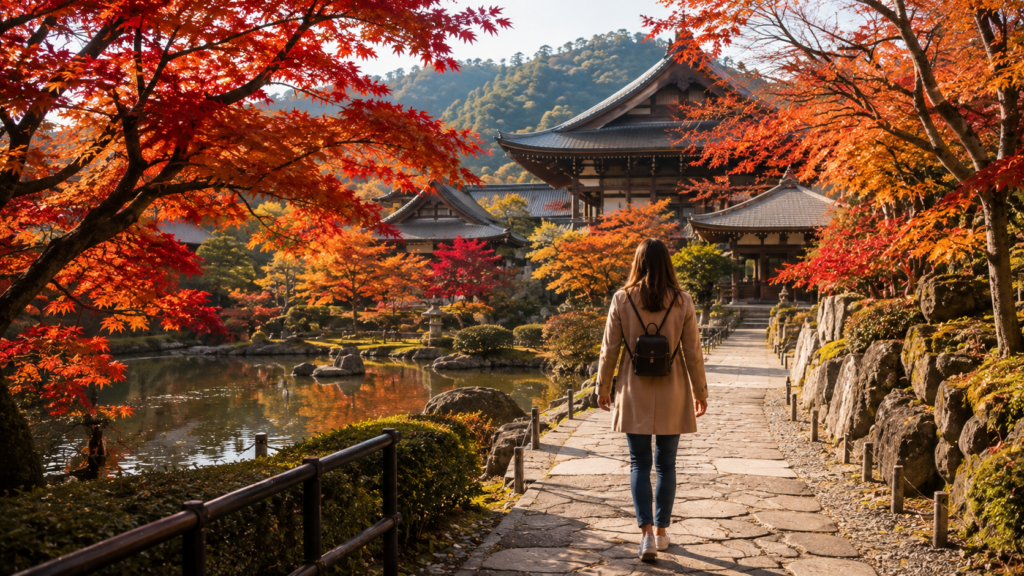
Autumn is widely considered one of the most comfortable seasons to visit. Cooler temperatures, lower humidity, and brilliant autumn foliage make sightseeing especially enjoyable. Historic temples surrounded by colorful maple trees create some of Japan’s most iconic landscapes.
Winter transforms northern Japan into a paradise for skiers and snowboarders. Resorts in Hokkaido and Nagano attract visitors from around the world thanks to reliable snowfall and excellent facilities. Even if you are not interested in winter sports, relaxing in a steaming outdoor onsen while surrounded by snow is an unforgettable experience.
Top Places to Visit in Japan

Tokyo is often the first stop for international travelers. The capital combines futuristic skyscrapers, historic shrines, luxury shopping, anime culture, world-class museums, and incredible nightlife. Districts such as Shibuya, Shinjuku, Asakusa, Ginza, Akihabara, and Ueno each offer completely different experiences.
Kyoto is the cultural heart of Japan. The city is home to hundreds of temples, traditional wooden houses, beautiful gardens, tea ceremonies, and famous geisha districts. Walking through Fushimi Inari Shrine or the Arashiyama Bamboo Grove offers a glimpse into Japan’s rich heritage.
Osaka is renowned for its friendly atmosphere and outstanding food scene. Street foods such as takoyaki and okonomiyaki attract visitors from across the globe, while attractions like Osaka Castle and Universal Studios Japan make the city suitable for travelers of all ages.
Mount Fuji remains Japan’s most recognizable natural landmark. Whether viewed from Lake Kawaguchi, climbed during the official hiking season, or photographed from nearby villages, the mountain provides unforgettable scenery.
Hokkaido is famous for national parks, lavender fields, skiing, seafood, and beautiful natural landscapes. During winter, Sapporo hosts one of Asia’s most famous snow festivals featuring enormous ice sculptures.
Nara is well known for its freely roaming deer and impressive temples. Visitors often enjoy feeding the friendly deer before exploring Todaiji Temple, home to one of the world’s largest bronze Buddha statues.
Hiroshima offers an important historical perspective through the Peace Memorial Park and Museum while also serving as the gateway to nearby Miyajima Island, famous for its floating torii gate.
Understanding Japan’s Transportation System

Japan’s transportation network is among the most efficient in the world. Trains are clean, punctual, comfortable, and connect nearly every major destination.
The Shinkansen, commonly known as the bullet train, allows travelers to move quickly between cities. Routes linking Tokyo, Kyoto, Osaka, Hiroshima, and other major destinations make long-distance travel convenient and enjoyable.
Within cities, subway systems and local trains are usually the fastest way to get around. Major stations provide English signs, route maps, ticket machines, and announcements, making navigation much easier than many first-time visitors expect.
IC cards such as Suica, Pasmo, and ICOCA simplify transportation. Instead of purchasing individual tickets, travelers simply tap their card when entering and leaving stations. Many convenience stores and vending machines also accept these cards.
Buses are useful for destinations not easily reached by train, particularly in rural regions. Although navigation may initially seem challenging, digital map applications make planning straightforward.
Taxis are safe and reliable but relatively expensive. They are best reserved for late-night travel, airport transfers, or destinations without convenient public transportation.
Walking also plays an important role in daily travel. Japanese cities are highly walkable, with clean sidewalks, clear signage, and pedestrian-friendly neighborhoods.
Visa Requirements and Entry Information
Japan’s entry requirements vary depending on your nationality. Many countries enjoy visa-free access for short-term tourism, while others must obtain a visa before departure.
Before booking flights, travelers should always check the latest immigration requirements through the official Japanese government or the nearest Japanese embassy or consulate.
A passport with sufficient validity is essential. Immigration officers may also request proof of onward travel, accommodation details, or evidence of sufficient financial resources during your stay.
Arriving at the airport is generally efficient. Immigration procedures are well organized, and multilingual signs help international visitors navigate the arrival process smoothly.
Biometric procedures, customs declarations, and baggage collection are usually straightforward, allowing travelers to begin exploring Japan shortly after landing.
Getting Around with the Japan Rail Pass
The Japan Rail Pass has long been one of the most popular transportation options for international visitors. While recent price increases mean it is no longer the best value for every itinerary, it can still save money if you plan to travel long distances within a short period.
For example, travelers visiting Tokyo, Kyoto, Osaka, Hiroshima, and back to Tokyo within one week may benefit from purchasing a rail pass. On the other hand, visitors staying mainly in one city or region may spend less by purchasing individual train tickets.
Before buying a pass, compare the total cost of your planned train journeys. Several online fare calculators make it easy to determine whether the pass fits your itinerary.
Seat reservations are recommended during busy travel seasons such as cherry blossom season, Golden Week, Obon holidays, and the New Year period. Fortunately, reservations are generally simple and free for eligible rail pass holders.
Budgeting for Your Trip
Japan has a reputation for being expensive, but careful planning makes it surprisingly affordable.
Accommodation is available for nearly every budget. Backpackers can stay in hostels or capsule hotels, while families often choose business hotels or vacation apartments. Traditional ryokan inns offer a unique cultural experience, though they typically cost more than standard hotels.
Food is another pleasant surprise. Delicious meals are available at reasonable prices throughout the country. Convenience stores sell fresh sandwiches, rice balls, sushi, desserts, and hot meals that are perfect for travelers on a budget.
Local restaurants often provide excellent lunch specials, allowing visitors to enjoy authentic Japanese cuisine without spending a fortune. Conveyor belt sushi restaurants, ramen shops, and neighborhood cafés are particularly good value.
Transportation costs depend largely on your itinerary. Staying within one city keeps expenses low, while frequent long-distance travel naturally increases your budget.
Attractions such as temples, gardens, museums, castles, and observation decks usually charge modest admission fees, making sightseeing relatively affordable compared with many major international destinations.
Where to Stay in Japan
Choosing the right accommodation depends on your travel style.
Hotels near major railway stations provide excellent convenience, especially if you plan to explore several cities. Staying close to transportation hubs also makes airport transfers much easier.
Business hotels are extremely popular among international visitors. They are clean, comfortable, affordable, and widely available in most cities.
For travelers seeking a traditional experience, spending at least one night in a ryokan is highly recommended. Guests often sleep on futons placed on tatami flooring, wear yukata robes, and enjoy beautifully prepared Japanese dinners.
Capsule hotels provide an interesting experience for solo travelers. Although the sleeping space is compact, facilities are usually modern, clean, and surprisingly comfortable.
Families or larger groups may prefer serviced apartments or vacation rentals, particularly for longer stays.
Japanese Food Every Traveler Should Try

Food is one of the highlights of visiting Japan, and every region has its own specialties.
Sushi remains a must-try, especially when prepared by experienced chefs using exceptionally fresh seafood.
Ramen varies significantly between cities. Tonkotsu ramen from Fukuoka, miso ramen from Hokkaido, and shoyu ramen from Tokyo each have distinct flavors worth experiencing.
Tempura showcases lightly battered seafood and vegetables fried to perfection. It is simple yet incredibly satisfying.
Yakitori, grilled chicken skewers seasoned with salt or sauce, is commonly enjoyed in casual restaurants and lively izakayas.
Okonomiyaki, often described as a savory pancake, is especially popular in Osaka and Hiroshima, with each city preparing it differently.
Other favorites include udon noodles, soba noodles, curry rice, wagyu beef, fresh seafood bowls, takoyaki, gyoza, matcha desserts, and fluffy Japanese cheesecakes.
Do not overlook Japan’s convenience stores. They offer surprisingly high-quality meals, snacks, desserts, coffee, and drinks at affordable prices, making them an excellent option throughout your trip.
Understanding Japanese Culture and Etiquette
Respect is central to Japanese society, and understanding a few cultural customs will greatly enhance your travel experience.
Queue patiently while waiting for trains, elevators, or restaurant seating. Orderly lines are an important part of everyday life.
Speak quietly on public transportation. Phone conversations are generally discouraged on trains and subways.
Remove your shoes before entering many traditional accommodations, temples, and private homes. Indoor slippers are often provided.
When visiting shrines or temples, observe local customs and avoid disturbing worshippers.
Public trash bins are less common than many visitors expect, so carrying a small bag for your rubbish is helpful until you find an appropriate disposal point.
Cashless payments are becoming increasingly common, but carrying some cash remains a good idea, particularly in rural areas and smaller businesses.
Learning a few basic Japanese phrases such as “Arigatou Gozaimasu” (thank you), “Sumimasen” (excuse me), and “Konnichiwa” (hello) is appreciated by locals, even if your pronunciation is not perfect.
Staying Connected
Reliable internet access makes traveling around Japan much easier.
Many international visitors choose an eSIM before departure because activation is quick and there is no need to swap physical SIM cards.
Pocket Wi-Fi devices remain popular for families or groups traveling together, allowing multiple devices to connect simultaneously.
Free Wi-Fi is available in many airports, train stations, shopping centers, hotels, cafés, and convenience stores, although coverage may not always be consistent.
Downloading offline maps before traveling can also be helpful when exploring remote areas.
Essential Packing Tips
Packing appropriately depends on the season, but several items are useful year-round.
Comfortable walking shoes are essential since many travelers easily walk more than 15,000 steps each day.
A portable power bank helps keep your phone charged while using maps, translation apps, and digital tickets.
Bring a reusable water bottle, travel adapter, lightweight umbrella, and any prescription medications you require.
If visiting during winter, pack warm layers, gloves, and waterproof footwear, particularly when traveling to northern Japan.
During summer, lightweight clothing, sunscreen, and a portable fan can make sightseeing much more comfortable.
Safety Tips for Travelers
Japan consistently ranks among the safest countries in the world, making it an excellent destination for solo travelers.
Violent crime is rare, and visitors generally feel comfortable exploring cities during both day and night.
Even so, normal travel precautions remain important. Keep an eye on your belongings in crowded areas, avoid carrying excessive cash, and follow local safety advice.
Japan experiences earthquakes from time to time. Hotels and public facilities provide emergency guidance, and local authorities have well-developed disaster response systems.
Travel insurance is strongly recommended. It provides peace of mind by covering unexpected medical expenses, trip interruptions, lost luggage, and other unforeseen situations.
Final Thoughts
Japan offers an extraordinary combination of history, innovation, natural beauty, and cultural richness that few destinations can match. Every journey reveals something new, whether it is a peaceful mountain temple, an unforgettable bowl of ramen, a bustling night market, or the remarkable efficiency of the country’s transportation system.
Planning ahead allows you to spend less time worrying about logistics and more time enjoying everything Japan has to offer. By understanding the seasons, transportation options, cultural etiquette, budgeting strategies, and practical travel tips outlined in this guide, you will be well prepared for an unforgettable adventure.
Whether your dream trip includes exploring Tokyo’s neon skyline, discovering Kyoto’s timeless temples, skiing in Hokkaido, climbing Mount Fuji, or tasting regional specialties across the country, Japan promises experiences that will stay with you long after your journey ends. Few destinations reward curious travelers as generously, making Japan a place many visitors return to again and again.