
Introduction
Finland is often recognized for its breathtaking natural landscapes, thousands of lakes, the Northern Lights, and Santa Claus Village. Yet beyond these famous attractions lies another reason travelers fall in love with the country—its people and culture.
Finnish culture is built on simplicity, honesty, equality, and a deep respect for nature. Daily life moves at a relaxed pace, people value personal space, and traditions that have existed for centuries continue to shape modern society. Visitors are often surprised by how peaceful Finnish cities feel, how clean public spaces are, and how closely people live alongside forests and lakes.
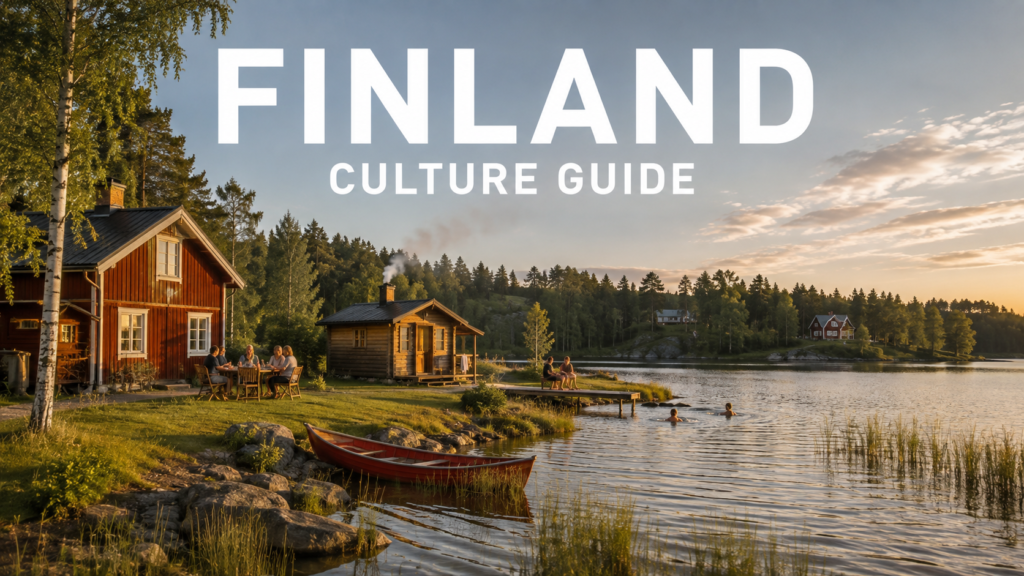
Unlike many destinations where tourist attractions dominate the travel experience, Finland invites visitors to experience everyday life. Sitting quietly in a lakeside sauna, enjoying coffee with fresh cinnamon buns, hiking through a national park, or watching families gather around a summer cottage can reveal more about the country than any museum.
Understanding Finnish customs before your trip will not only help you communicate more comfortably with locals but also allow you to appreciate the values that make Finland one of the happiest countries in the world.
Who Are the Finnish People?
The Finnish people are known for being honest, dependable, and respectful. While they may initially appear quiet or reserved compared to people from Southern Europe, this should never be mistaken for unfriendliness.
Finns usually prefer meaningful conversations over small talk. They appreciate sincerity and tend to speak directly without exaggeration. Once trust has been established, they are warm, helpful, and loyal friends.
Equality plays an important role in Finnish society. People generally treat one another with respect regardless of profession, age, or social status. This cultural mindset contributes to the country’s relaxed atmosphere and strong sense of community.
Education is also highly valued. Finland’s internationally respected education system reflects a broader cultural belief that learning, curiosity, and lifelong development are important for everyone.
Visitors often notice that Finnish cities feel calm and organized. People patiently wait in line, respect public rules, and rarely create unnecessary noise. This consideration for others helps make everyday life comfortable for both residents and travelers.
The Finnish Way of Life
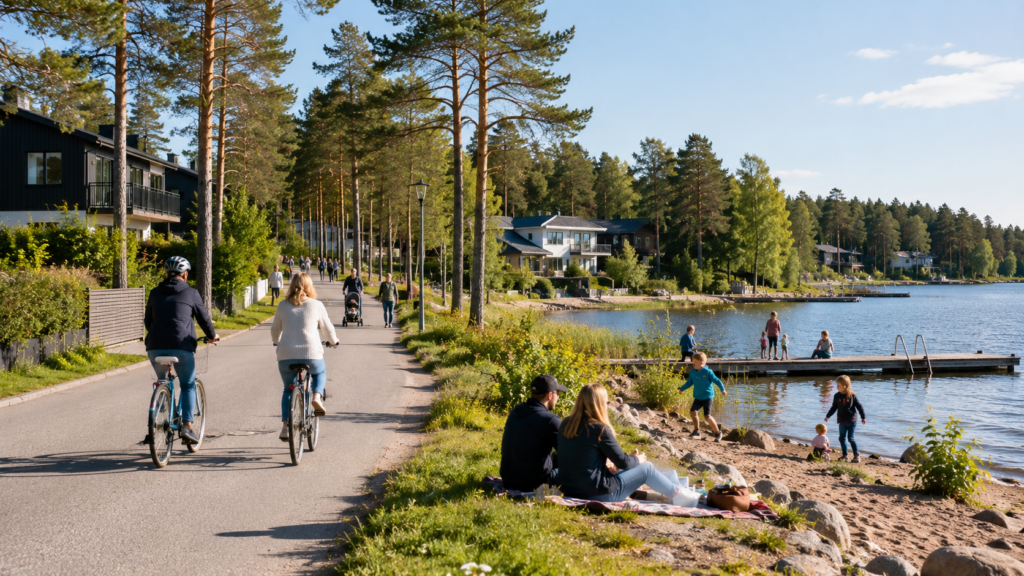
Life in Finland revolves around balance. Work is important, but so are family, hobbies, health, and spending time outdoors.
Many Finns enjoy escaping to their summer cottages whenever possible. These cabins, often located beside lakes or forests, provide an opportunity to disconnect from busy urban life and reconnect with nature.
Cycling, walking, skiing, swimming, and berry picking are common activities throughout the year. Rather than viewing nature as something separate from daily life, Finns consider it an essential part of their identity.
Coffee also plays a surprisingly important role in Finnish culture. Finland consistently ranks among the world’s highest coffee-consuming countries. Meeting friends or colleagues over coffee is an everyday tradition rather than a special occasion.
The concept of work-life balance is evident across the country. Flexible working hours, generous parental leave, and time spent with family contribute to a lifestyle that many international visitors admire.
For travelers, slowing down and embracing this pace of life is one of the most rewarding aspects of visiting Finland.
The Meaning of Sisu
One uniquely Finnish concept that has no perfect English translation is Sisu.
Sisu represents determination, resilience, courage, and the ability to continue moving forward despite difficulties. Rather than giving up when challenges arise, Finns believe in remaining calm, solving problems step by step, and persevering until the goal is achieved.
This mindset developed over centuries as people adapted to harsh winters, remote landscapes, and demanding living conditions. Today, Sisu continues to influence everyday life, business, education, and even sports.
Visitors may notice this quiet determination in many situations. Finnish people rarely complain publicly or seek attention for overcoming obstacles. Instead, resilience is often expressed through actions rather than words.
Understanding Sisu provides valuable insight into the Finnish national character and explains why perseverance remains one of the country’s most respected qualities.
Why Nature Is Central to Finnish Culture
Nature is not simply a tourist attraction in Finland—it is part of everyday life.
With thousands of lakes, vast forests, and numerous national parks, outdoor recreation is available almost everywhere. Many families spend weekends hiking, fishing, canoeing, or simply relaxing beside a lake.
One particularly unique tradition is Everyman’s Right, which allows everyone to enjoy nature responsibly, regardless of who owns the land. Visitors can walk through forests, pick wild berries, collect mushrooms, and enjoy outdoor spaces as long as they respect the environment and private property.
This close relationship with nature also explains Finland’s strong commitment to environmental protection. Recycling, renewable energy, sustainable forestry, and clean public spaces are widely supported by society.
Even in large cities such as Helsinki, residents can easily reach forests, beaches, or parks within minutes, making nature an everyday part of urban life.
Sauna: Finland’s Most Famous Tradition

No cultural symbol is more closely associated with Finland than the sauna. With an estimated number of saunas exceeding the country’s population, it is an essential part of Finnish life rather than a luxury.
For Finns, the sauna is a place to relax, recover, and spend quality time with family or friends. It is common for people to visit the sauna after work, on weekends, or after outdoor activities such as skiing or hiking.
Traditional wood-heated saunas remain popular, especially at lakeside cottages, while electric saunas are common in homes, apartments, hotels, and even office buildings. During the warmer months, many Finns enjoy cooling off by jumping into a lake after a sauna session. In winter, some even take a quick dip in icy water for an invigorating experience.
Visitors should remember that the sauna is treated as a quiet and respectful environment. Speaking softly, following local etiquette, and respecting personal space are appreciated. Many public saunas provide separate facilities for men and women, while private family saunas are often shared.
Trying a traditional Finnish sauna is considered one of the most authentic cultural experiences you can have during your visit.
Food Culture and Everyday Dining

Finnish cuisine reflects the country’s climate, forests, lakes, and seasonal ingredients. Rather than focusing on elaborate recipes, traditional meals emphasize freshness, simplicity, and high-quality local produce.
Fish plays an important role in the Finnish diet. Salmon, perch, whitefish, and herring are commonly served grilled, smoked, or cured. In autumn, wild mushrooms and berries collected from nearby forests appear on dining tables across the country.
Bread is another everyday staple, with rye bread being especially popular. Many meals are accompanied by butter, cheese, or locally produced dairy products, which are known for their excellent quality.
Finns also enjoy hearty dishes such as Karelian pies, creamy salmon soup, meat stews, and mashed potatoes. During colder months, warm comfort food becomes an important part of daily life.
Coffee deserves special mention. Finland consistently ranks among the world’s largest coffee-consuming nations, and coffee breaks are deeply rooted in daily routines. Whether at home, in the workplace, or while meeting friends, coffee is often served with cinnamon buns, pastries, or homemade cakes.
For visitors, exploring local markets, neighborhood cafés, and traditional restaurants provides an excellent introduction to Finnish culture through food.
Festivals and Celebrations
Throughout the year, Finland celebrates a variety of festivals that reflect its traditions, history, and connection to nature.
One of the most important celebrations is Midsummer (Juhannus). Held in late June, it marks the arrival of the brightest days of the year. Families and friends gather at summer cottages, light bonfires, enjoy sauna sessions, and spend time by lakes under the Midnight Sun.
Christmas is another cherished holiday. Streets are decorated with lights, Christmas markets fill city squares, and homes are illuminated with candles and festive decorations. Rovaniemi, located in Finnish Lapland, is widely known as the official hometown of Santa Claus and attracts visitors from around the world.
In spring, Vappu celebrates the arrival of warmer weather. Students, families, and local communities gather for outdoor picnics, concerts, and public celebrations, creating one of the liveliest events of the year.
Music festivals, design exhibitions, film festivals, and sporting events also take place across the country, giving travelers plenty of opportunities to experience modern Finnish culture alongside long-standing traditions.
Etiquette Every Visitor Should Know
Learning a few basic customs can help visitors feel more comfortable when traveling in Finland.
Punctuality is highly valued. Whether meeting friends, joining a guided tour, or arriving for dinner, being on time is considered respectful.
Personal space is equally important. Finns generally stand a comfortable distance apart during conversations and appreciate quiet surroundings, especially on public transportation.
Honesty is another defining characteristic of Finnish society. Lost items are frequently returned, and trust plays a significant role in everyday interactions.
When visiting someone’s home, removing your shoes at the entrance is common practice. If invited to a Finnish home, bringing a small gift such as flowers or chocolates is a thoughtful gesture.
English is widely spoken throughout Finland, particularly in cities and tourist destinations. Even so, learning a few simple Finnish greetings such as “Kiitos” (Thank you) or “Hei” (Hello) is often appreciated and shows respect for the local culture.
Most importantly, embrace the slower pace of life. Rather than rushing from attraction to attraction, take time to enjoy nature, local cafés, public saunas, and everyday moments that define the Finnish way of life.
Final Thoughts
Finland’s culture is shaped by honesty, equality, resilience, and a deep connection with nature. From the tradition of the sauna and the spirit of Sisu to peaceful forests, welcoming communities, and everyday respect for the environment, the country offers experiences that go far beyond its famous landmarks.
Understanding these customs before your trip will help you appreciate Finland on a deeper level and interact more naturally with local people. Instead of simply visiting another destination, you’ll gain insight into a way of life that values simplicity, balance, and genuine human connection.
Whether you’re enjoying coffee in a quiet Helsinki café, relaxing beside a lakeside sauna, or hiking through a national park, you’ll quickly discover that Finnish culture is not defined by grand gestures but by the small everyday moments that leave a lasting impression.