
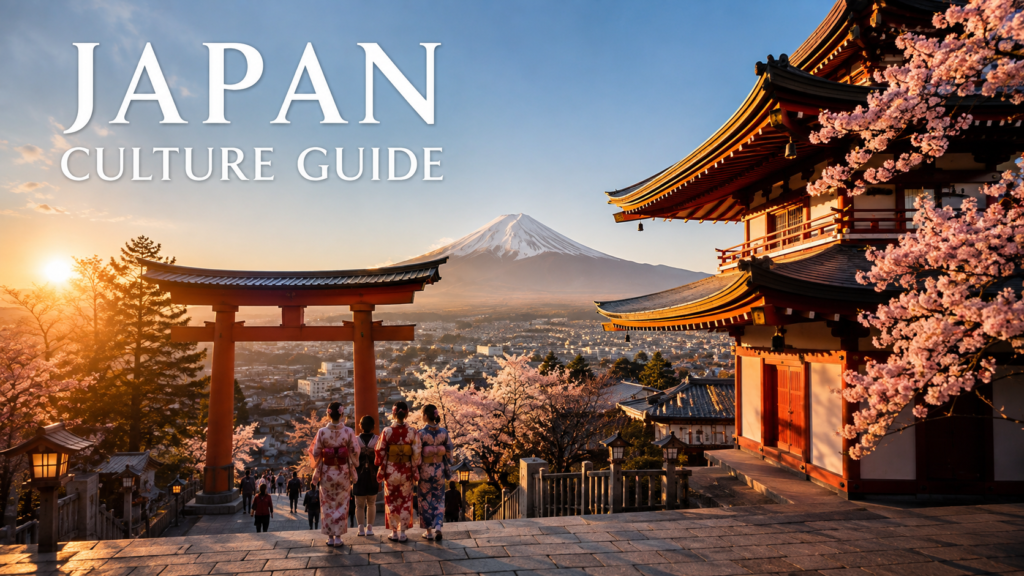
Japan is one of the world’s most fascinating destinations, attracting millions of visitors each year with its unique blend of ancient traditions and cutting-edge modern life. From peaceful temples and historic castles to neon-lit city streets and high-speed trains, the country offers experiences unlike anywhere else. However, what truly makes Japan special is not only its scenery but also its people, customs, and deep respect for tradition.
Understanding Japanese culture before your trip will make your journey smoother and far more rewarding. Simple gestures such as removing your shoes before entering a home, speaking quietly on public transportation, or learning how to bow politely can leave a positive impression and help you avoid embarrassing situations.
This Japan Culture Guide introduces the traditions, etiquette, and everyday customs that every traveler should know before visiting Japan. Whether you are planning your first trip or returning to explore more of the country, these practical insights will help you appreciate Japanese society while traveling respectfully.
Why Is Japanese Culture So Unique?
Japanese culture has developed over thousands of years while preserving traditions that remain important today. Although Japan is one of the world’s most technologically advanced countries, many aspects of daily life continue to reflect values that originated centuries ago.
Respect, harmony, discipline, cleanliness, and consideration for others are deeply rooted in Japanese society. These values influence everything from business meetings and school education to public transportation and family life.
Visitors often notice how organized Japanese cities are. Streets are remarkably clean despite having relatively few public trash bins, trains arrive with impressive punctuality, and people naturally form orderly queues without needing instructions.
Traditional arts such as tea ceremonies, flower arranging, calligraphy, kabuki theater, and martial arts continue to play an important role alongside modern pop culture, anime, fashion, and advanced technology. This balance between tradition and innovation is one of the reasons travelers find Japan so captivating.
Respect and Politeness Shape Everyday Life

One of the first things visitors notice is how polite Japanese people are.
Respect for others is considered an essential part of daily life. Whether interacting with family members, coworkers, customers, or strangers, people generally communicate with kindness and consideration.
Loud conversations, public arguments, and disruptive behavior are uncommon. Instead, maintaining harmony within the community is highly valued.
You will frequently hear expressions such as “Arigatou Gozaimasu” (Thank you very much), “Sumimasen” (Excuse me or I’m sorry), and “Onegaishimasu” (Please). Learning just a few polite Japanese phrases can greatly enhance your interactions with local people.
Although many Japanese people may not speak fluent English, they usually appreciate visitors who make an effort to respect local customs.
Understanding Japanese Bowing Etiquette
Bowing is one of Japan’s most recognizable traditions.
Unlike handshakes, bows are commonly used to greet people, express gratitude, apologize, or show respect. The depth of the bow generally depends on the situation.
A slight bow is common when greeting someone casually, while deeper bows are reserved for formal occasions or sincere apologies.
As a visitor, you do not need to master every style of bow. A gentle nod or small bow is perfectly acceptable and often appreciated.
Many Japanese people will happily shake hands with international visitors if that feels more comfortable.
Shoes and Indoor Etiquette
Removing shoes before entering certain buildings is one of Japan’s most important customs.
You should expect to remove your shoes when entering:
- Traditional homes
- Ryokan (Japanese inns)
- Some temples
- Certain restaurants
- Traditional guesthouses
- Some schools
Indoor slippers are usually provided.
Special slippers are often reserved for bathrooms and should not be worn outside those areas.
If you are unsure whether shoes should be removed, simply observe what local people are doing or look for rows of shoes near the entrance.
Ignoring this custom is considered disrespectful because outdoor shoes are viewed as bringing dirt inside.
Visiting Temples and Shrines Respectfully
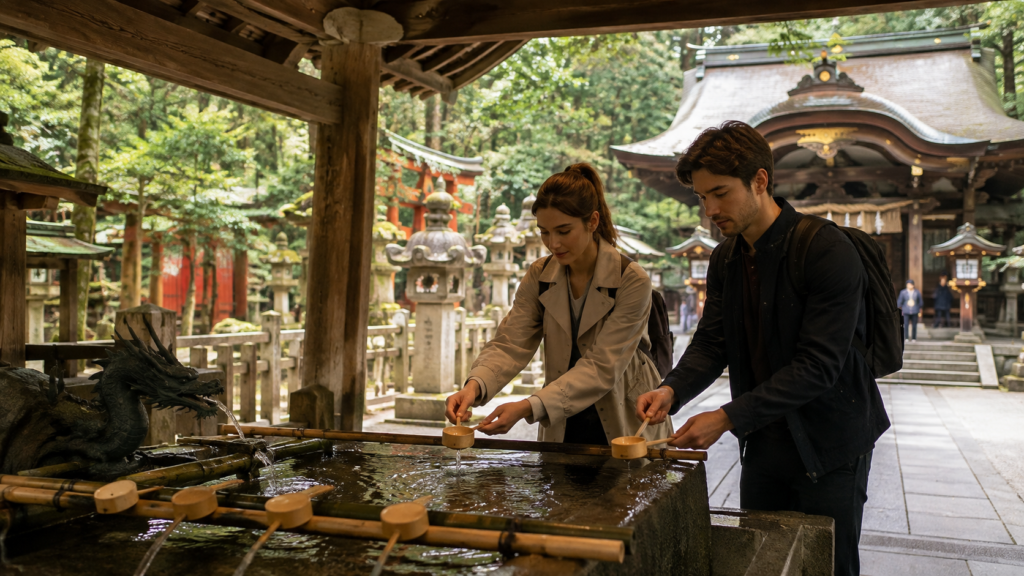
Japan is home to thousands of Buddhist temples and Shinto shrines, many of which are among the country’s most famous attractions.
Although tourists are welcome, visitors should behave respectfully.
Common etiquette includes:
- Speak quietly.
- Avoid blocking entrances.
- Dress modestly.
- Do not touch religious objects unless permitted.
- Follow photography rules.
At many shrines, visitors wash their hands and rinse their mouths at a purification fountain before approaching the main prayer area.
Watching local visitors first is often the easiest way to understand the proper procedure.
Even if you are not religious, showing respect for these sacred places is considered good manners.
Dining Etiquette in Japan

Japanese dining culture places great emphasis on appreciation, cleanliness, and consideration for others.
Before eating, many people say “Itadakimasu,” expressing gratitude for the meal. After finishing, they often say “Gochisosama Deshita” to thank those who prepared the food.
When using chopsticks, several customs should be remembered.
Never stick chopsticks upright into a bowl of rice, as this resembles funeral rituals.
Avoid pointing at people with chopsticks or passing food directly from one pair of chopsticks to another.
If serving yourself from shared dishes, many restaurants provide serving utensils.
Slurping noodles such as ramen or soba is completely acceptable and is often considered a sign that you are enjoying the meal.
Tipping is generally not expected in Japan. Exceptional service is viewed as part of professional hospitality rather than something requiring additional payment.
Public Transportation Etiquette
Japan’s transportation system is famous for being efficient, clean, and punctual.
Passengers are expected to behave respectfully while traveling.
Common customs include:
- Form orderly queues.
- Allow passengers to exit before boarding.
- Keep phone conversations to a minimum.
- Set mobile phones to silent mode.
- Give priority seating to elderly passengers, pregnant women, and people with disabilities.
Large suitcases should be stored appropriately without blocking walkways.
Eating on local commuter trains is generally discouraged, although it is perfectly normal on many long-distance Shinkansen services.
Travelers who follow these simple rules quickly discover why Japan’s transportation network operates so smoothly.
Bathing Etiquette at Japanese Onsen
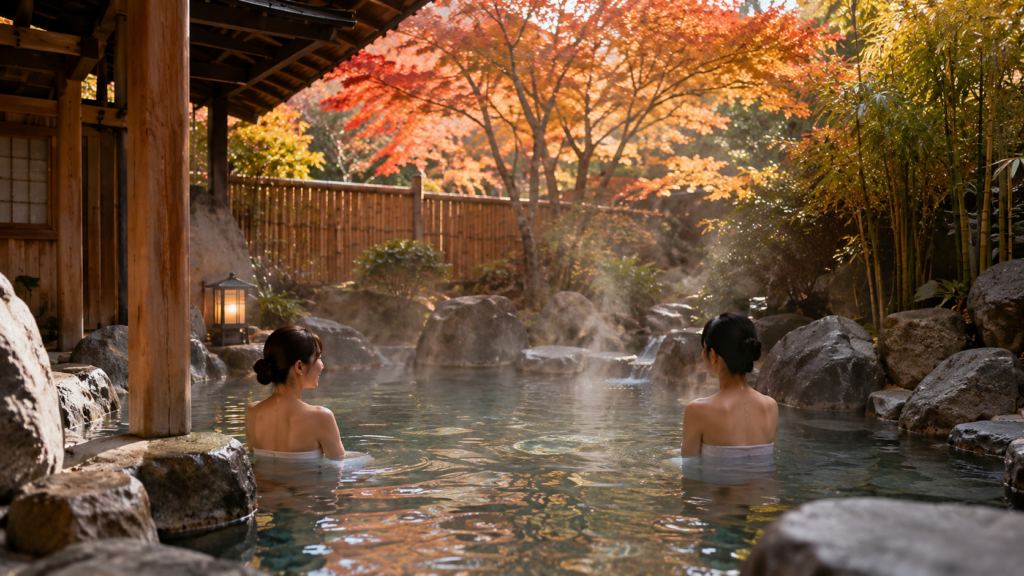
Visiting an onsen, or traditional hot spring, is one of the most memorable cultural experiences in Japan. These natural baths have been part of Japanese life for centuries and are valued not only for relaxation but also for their health benefits.
Before entering the hot spring, visitors must wash and rinse their bodies thoroughly at the shower stations provided. Soap and shampoo should never be used inside the communal bath itself.
Swimwear is generally not permitted in traditional onsen. Bathers enter the water without clothing, although small towels may be used while walking around the bathing area. The towel should never be placed in the water.
Many onsen have separate bathing areas for men and women. Some facilities also offer private baths that families or couples can reserve.
Travelers with tattoos should check the rules before visiting, as some traditional onsen still restrict entry. Fortunately, an increasing number of modern hot springs now welcome international visitors with tattoos or provide private bathing options.
Seasonal Festivals and Traditional Celebrations
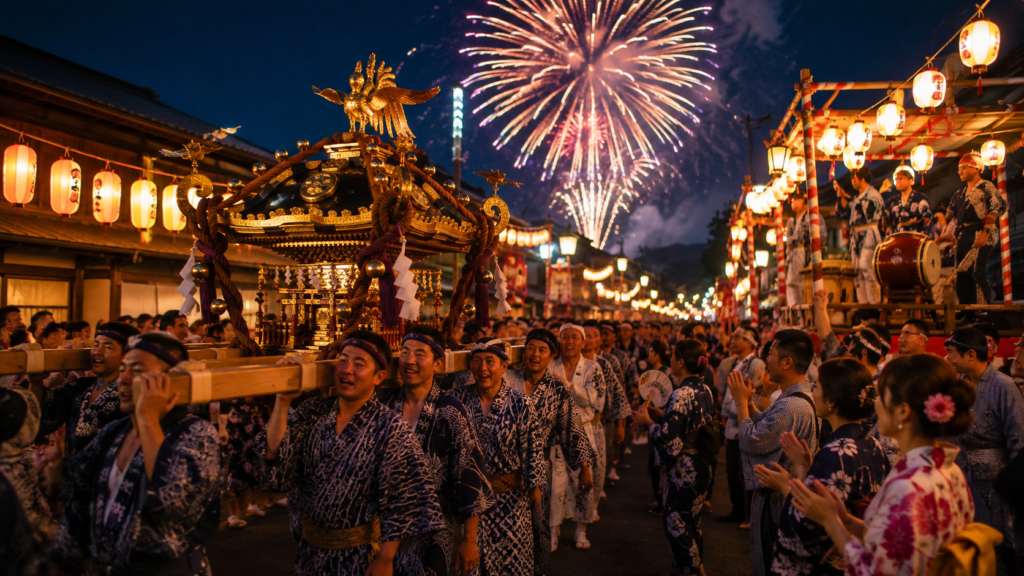
Japan celebrates hundreds of festivals throughout the year, each reflecting local history, religion, and community traditions.
Spring is famous for cherry blossom viewing, known as hanami. Families and friends gather beneath blooming sakura trees to enjoy picnics and celebrate the arrival of warmer weather.
Summer brings colorful festivals featuring fireworks, traditional dances, street food, and locals wearing lightweight yukata. Popular celebrations such as the Gion Matsuri in Kyoto and the Nebuta Festival in Aomori attract visitors from around the world.
Autumn is admired for brilliant red and golden maple leaves. Many travelers visit temples and gardens during this season to enjoy spectacular autumn scenery.
Winter includes New Year celebrations, one of Japan’s most important holidays. Families visit shrines, enjoy traditional meals, and welcome the new year with customs that have been practiced for generations.
Participating respectfully in local festivals allows visitors to experience Japanese culture beyond the typical tourist attractions.
Gift Giving and Omiyage Culture
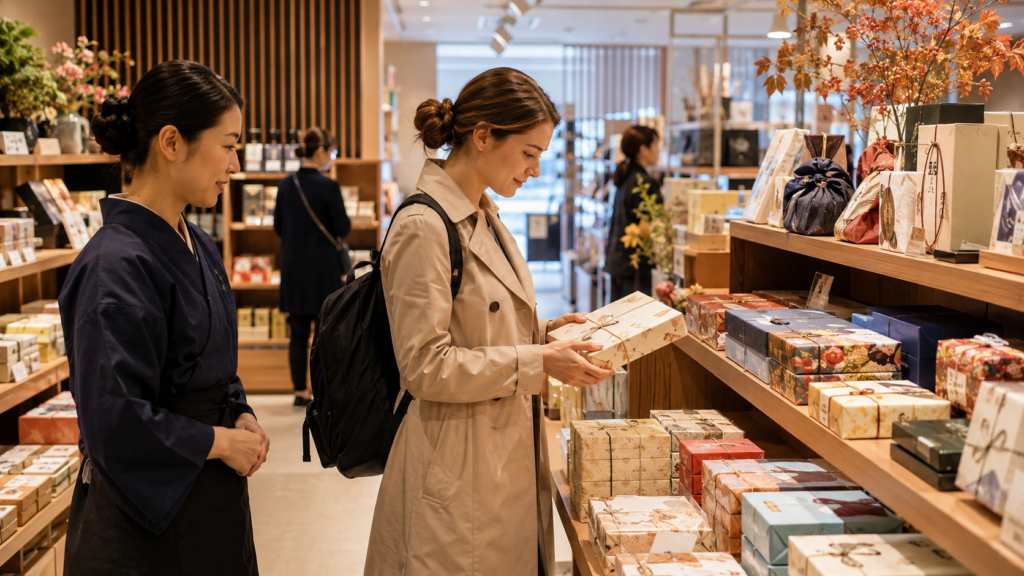
Gift giving plays an important role in Japanese society.
One of the country’s most interesting traditions is omiyage, which refers to souvenirs purchased while traveling and brought back for family members, friends, or coworkers.
Unlike ordinary souvenirs, omiyage is considered a thoughtful gesture that shows appreciation for people who remained at home while you were away.
Many train stations, airports, and tourist attractions sell beautifully packaged regional specialties specifically designed as omiyage.
When giving or receiving gifts, both hands are commonly used as a sign of respect. The presentation is often considered just as important as the gift itself.
Visitors are not expected to participate in every gift-giving custom, but understanding this tradition provides valuable insight into Japanese culture.
Everyday Habits That May Surprise Visitors
Many everyday customs in Japan differ from those in other countries.
People rarely eat or drink while walking along busy streets. Instead, they usually finish food near the place where it was purchased.
Public trash bins are surprisingly limited, so many residents carry their rubbish until they find an appropriate place to dispose of it.
Escalator etiquette varies by region. In Tokyo, people typically stand on the left side, while in Osaka they generally stand on the right.
Cash is still widely accepted despite Japan’s advanced technology, although contactless payments and mobile wallets have become increasingly common in major cities.
Quietness is another noticeable feature of daily life. Even crowded trains often remain surprisingly peaceful because passengers avoid speaking loudly.
Common Mistakes Tourists Should Avoid
Most Japanese people understand that international visitors may not know every local custom. Even so, avoiding a few common mistakes will make your trip much more enjoyable.
Try to avoid:
- Speaking loudly on trains or buses.
- Ignoring queue lines.
- Wearing outdoor shoes inside traditional buildings.
- Leaving chopsticks standing upright in rice.
- Entering an onsen without showering first.
- Littering in public places.
- Blocking sidewalks while taking photographs.
- Touching cultural or religious objects without permission.
Showing patience, politeness, and respect is often more important than following every custom perfectly.
Frequently Asked Questions
Is it necessary to bow in Japan?
Not necessarily. A small, polite bow is appreciated, but smiling and being respectful are usually enough for most travelers.
Can tourists wear traditional Japanese clothing?
Yes. Many visitors rent kimono or yukata while exploring historic districts, temples, or festivals. Wearing them respectfully is welcomed.
Is tipping expected in Japan?
No. Restaurants, hotels, taxis, and many other businesses generally do not expect tips. Excellent service is considered part of professional hospitality.
Are Japanese people friendly to tourists?
Yes. Although some people may feel shy about speaking English, they are often very helpful and will do their best to assist visitors.
What is the most important cultural rule?
Showing respect for other people, following local customs, and being considerate in public situations are the most important principles to remember.
Final Thoughts
Japan’s culture is one of the country’s greatest attractions. Ancient traditions continue to exist alongside modern technology, creating an experience unlike anywhere else in the world. By understanding everyday etiquette, respecting local customs, and approaching new experiences with curiosity, travelers can build meaningful connections with the places they visit.
You do not need to become an expert in Japanese culture before your trip. Learning a few simple customs—such as bowing politely, removing your shoes when required, speaking quietly on public transportation, and respecting religious sites—will help you feel more confident while showing appreciation for local traditions.
Whether you are exploring Tokyo’s vibrant neighborhoods, relaxing in a mountain onsen, attending a colorful summer festival, or walking through centuries-old temples in Kyoto, understanding these cultural practices will make your journey richer, more enjoyable, and far more memorable.