
Introduction
Denmark may be one of Europe’s smaller countries, but it consistently leaves a lasting impression on travelers. Known for its colorful waterfronts, fairy-tale castles, Viking heritage, innovative architecture, and exceptional quality of life, Denmark offers an experience that combines history with modern living in a way few destinations can match.
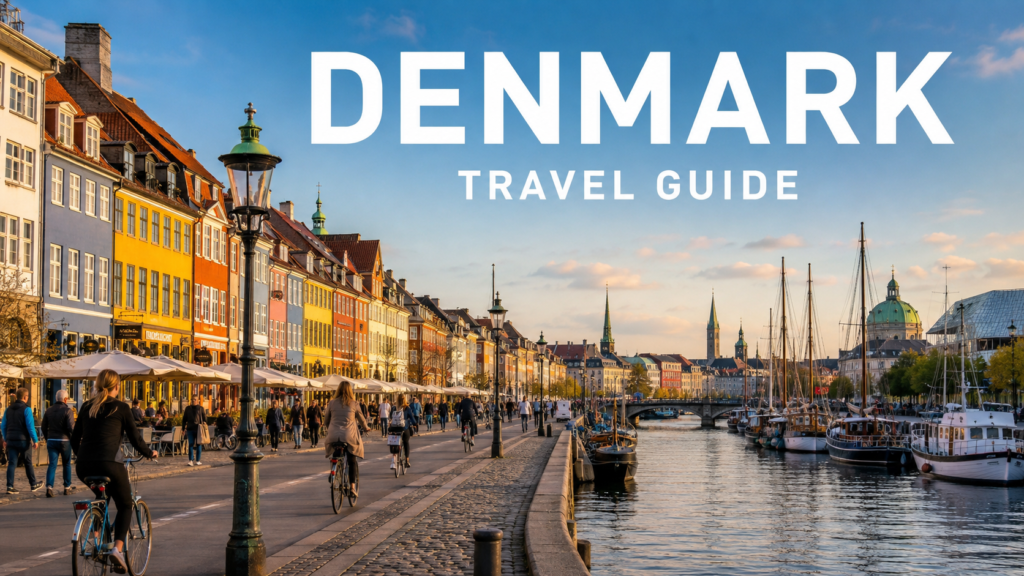
Many visitors first associate Denmark with Copenhagen, the vibrant capital famous for Nyhavn Harbor, Tivoli Gardens, and the Little Mermaid statue. However, limiting your trip to the capital means missing charming medieval towns, dramatic coastlines, peaceful countryside, beautiful islands, and welcoming communities that showcase the country’s true character.
One of the greatest advantages of visiting Denmark is how easy it is to travel around. Efficient public transportation, excellent cycling infrastructure, widespread English proficiency, and short travel distances allow visitors to explore multiple destinations without feeling rushed. Whether you’re planning a long Scandinavian adventure or a relaxing city break, Denmark is both accessible and rewarding.
This Denmark travel guide covers everything you should know before your trip. From choosing the best season to visit and understanding visa requirements to managing your budget, transportation, local customs, and safety, you’ll be well prepared for an unforgettable Danish experience.
Why Visit Denmark?
Denmark consistently ranks among the happiest countries in the world, and it doesn’t take long for visitors to understand why. The country places a strong emphasis on quality of life, sustainability, public spaces, and work-life balance. These values are reflected everywhere, from beautifully maintained city streets to the relaxed pace of everyday life.
The country offers an impressive variety of attractions despite its compact size. Copenhagen combines royal history with cutting-edge design, while Aarhus blends youthful energy with Viking heritage. Odense invites visitors into the world of Hans Christian Andersen, Ribe showcases Denmark’s oldest medieval streets, and Skagen offers spectacular coastal scenery where two seas meet.
History enthusiasts will find castles, Viking museums, UNESCO World Heritage Sites, and centuries-old cathedrals throughout the country. Architecture lovers can admire everything from colorful 17th-century buildings to award-winning contemporary designs.
Nature is equally accessible. Sandy beaches, rolling farmland, forests, cliffs, and hundreds of islands provide countless opportunities for hiking, cycling, kayaking, and simply enjoying the peaceful Scandinavian landscape.
Perhaps Denmark’s greatest appeal is its atmosphere. Visitors quickly notice the cleanliness of public spaces, the efficiency of transportation, and the friendliness of locals. Rather than rushing from one attraction to another, Denmark encourages travelers to slow down and appreciate simple everyday moments.
Best Time to Visit Denmark
Choosing the best time to visit Denmark depends largely on the type of experience you’re looking for.
Spring, from April to May, marks the beginning of the tourist season. Flowers begin to bloom, parks become vibrant with color, and outdoor cafés reopen after winter. Temperatures are generally mild, making sightseeing comfortable without the heavy crowds of summer. Spring is an excellent choice for travelers who enjoy photography, walking tours, and lower accommodation prices.
Summer, from June through August, is by far the most popular season. Daylight can last well into the evening, giving visitors more time to explore. Festivals, concerts, harbor events, outdoor dining, and open-air markets create an energetic atmosphere throughout the country. Average temperatures usually range between 18°C and 25°C, although occasional warmer days are possible.
Autumn brings cooler weather and fewer tourists. September remains pleasant for sightseeing, while October introduces colorful forests and quieter attractions. Hotel prices often become more affordable compared to peak summer months, making autumn an attractive option for budget-conscious travelers.
Winter offers a completely different side of Denmark. Christmas markets, festive lights, seasonal food, and the famous Danish concept of hygge create an incredibly cozy atmosphere. Although temperatures can fall below freezing and daylight hours are shorter, many visitors consider December one of the most magical times to experience Copenhagen.
Overall, late spring and summer remain the best seasons for first-time visitors who want the widest range of activities and the most favorable weather.
Do You Need a Visa to Visit Denmark?
Denmark is a member of the Schengen Area, meaning entry requirements depend on your nationality.
Citizens of many countries can enter Denmark without a visa for short tourist stays, while others must apply for a Schengen visa before departure. Since immigration policies may change, travelers should always verify the latest requirements before making travel arrangements
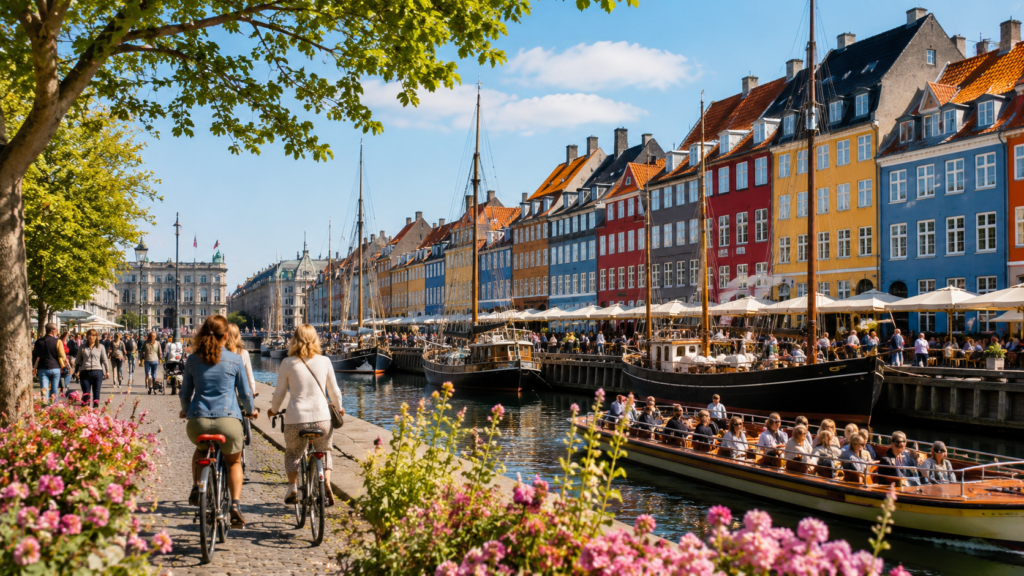
A standard Schengen tourist visa application typically requires a valid passport, completed application form, biometric passport photographs, proof of travel insurance, flight reservations, accommodation bookings, financial documentation, and evidence of your travel itinerary.
Visa processing times vary depending on the season and the applicant’s country of residence. During busy travel periods, applications may require several weeks for processing, making early preparation highly recommended.
Even travelers who qualify for visa-free entry should ensure that their passports remain valid for the required period beyond their intended departure date.
Proper preparation reduces unnecessary stress and helps avoid last-minute travel complications.
Planning Your Travel Budget
Denmark has a reputation as one of Northern Europe’s more expensive destinations. However, that doesn’t mean traveling here is unaffordable. With realistic planning, visitors can enjoy an excellent vacation while keeping expenses under control.
Accommodation usually represents the largest portion of a travel budget. Copenhagen offers everything from modern hostels and budget hotels to luxury waterfront properties. Smaller cities often provide better value while maintaining high standards of comfort and service.
Food costs vary considerably depending on where you choose to eat. Internationally recognized restaurants can be expensive, but supermarkets, local bakeries, food halls, and casual cafés provide delicious meals at much more reasonable prices. Sampling Danish pastries, open-faced sandwiches, and street food allows visitors to experience local cuisine without overspending.
Transportation is another predictable expense. Fortunately, Denmark’s excellent public transportation network reduces the need for taxis or rental cars. Purchasing transportation passes can provide additional savings, especially in larger cities.
Museum tickets, castle admissions, and guided tours should also be included in your budget if you plan an active sightseeing itinerary. Many cities offer tourist cards that combine public transportation with discounted attraction entry, making them worthwhile for visitors planning to see multiple sites.
Although Denmark may cost more than some European destinations, most travelers agree that the country’s cleanliness, safety, efficiency, and overall visitor experience justify the additional expense.
Getting Around Denmark
One of Denmark’s biggest advantages is how easy it is to travel throughout the country. Whether you’re staying in Copenhagen for a few days or planning to visit several regions, you’ll find transportation to be efficient, reliable, and easy to understand.
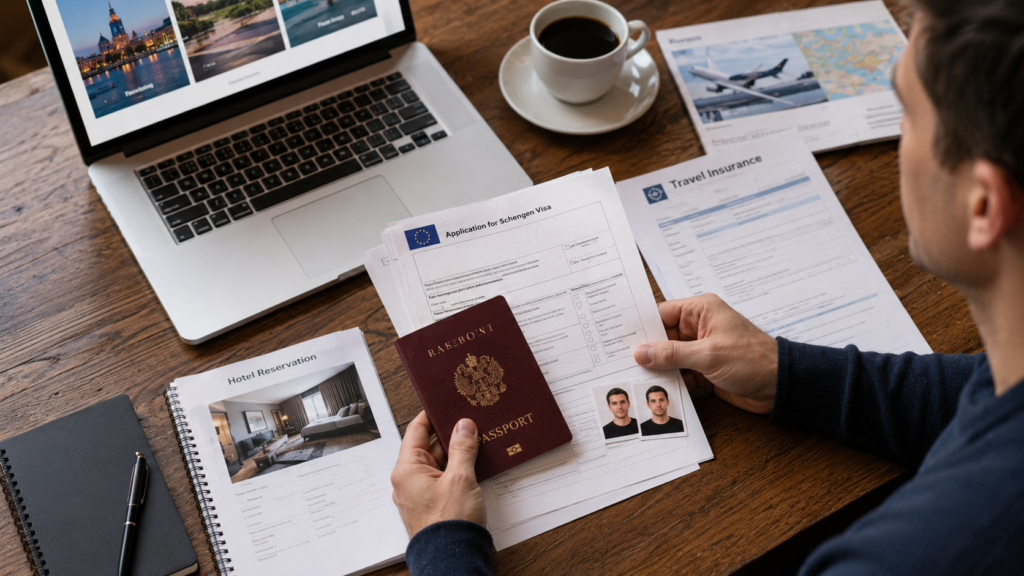
The national railway system connects most major cities with modern, comfortable trains that operate frequently throughout the day. Traveling from Copenhagen to Odense, Aarhus, or Aalborg is straightforward, and trains are known for their punctuality. Purchasing tickets online in advance can sometimes save money, especially during busy travel periods.
Within Copenhagen, the Metro is one of the easiest ways to explore the city. The fully automated system runs frequently and connects many of the capital’s most popular attractions, residential neighborhoods, and Copenhagen Airport. City buses complement the Metro network, while harbor buses provide a scenic way to travel across the waterfront.
Cycling is perhaps the most iconic way to experience Denmark. The country has invested heavily in cycling infrastructure, creating thousands of kilometers of dedicated bike lanes that are separated from vehicle traffic. Renting a bicycle is simple, and many visitors quickly discover that cycling is often faster than driving or taking public transportation within city centers.
If your itinerary includes coastal villages or remote areas, renting a car offers additional flexibility. Danish roads are well maintained, traffic is generally light outside larger cities, and road signs are easy to understand. Drivers should remember that headlights must remain on at all times, even during daylight hours.
For those interested in exploring Denmark’s many islands, ferries play an important role in domestic transportation. Regular ferry services connect numerous islands with the mainland, allowing travelers to experience landscapes that many international visitors never see.
Because travel distances are relatively short, many visitors comfortably combine several cities into a single itinerary without spending excessive time in transit.
Currency and Payment Methods
Although Denmark is a member of the European Union, it does not use the Euro. Instead, the official currency is the Danish Krone (DKK), something that surprises many first-time visitors.
Fortunately, paying for goods and services is extremely convenient. Denmark is one of the world’s most cashless societies, and credit or debit cards are accepted almost everywhere. Restaurants, cafés, supermarkets, museums, hotels, taxis, public transportation, and even many street vendors accept contactless card payments.
Digital wallets such as Apple Pay and Google Pay are also widely used. In fact, many local residents rarely carry physical cash.
Visitors may still wish to keep a small amount of Danish Krone for occasional purchases at local markets or in smaller communities, although it is increasingly common to encounter businesses that accept card payments only.
Before departure, notify your bank that you’ll be traveling internationally to avoid unexpected transaction blocks. It’s also worth checking foreign transaction fees and currency conversion charges associated with your cards.
Currency exchange services are available at airports, banks, and major railway stations, but withdrawing local currency from ATMs often provides better exchange rates.
Danish Food Every Visitor Should Try
Exploring Danish cuisine is an essential part of any visit. While many travelers are familiar with Danish pastries, the country’s culinary traditions extend far beyond sweet baked goods.
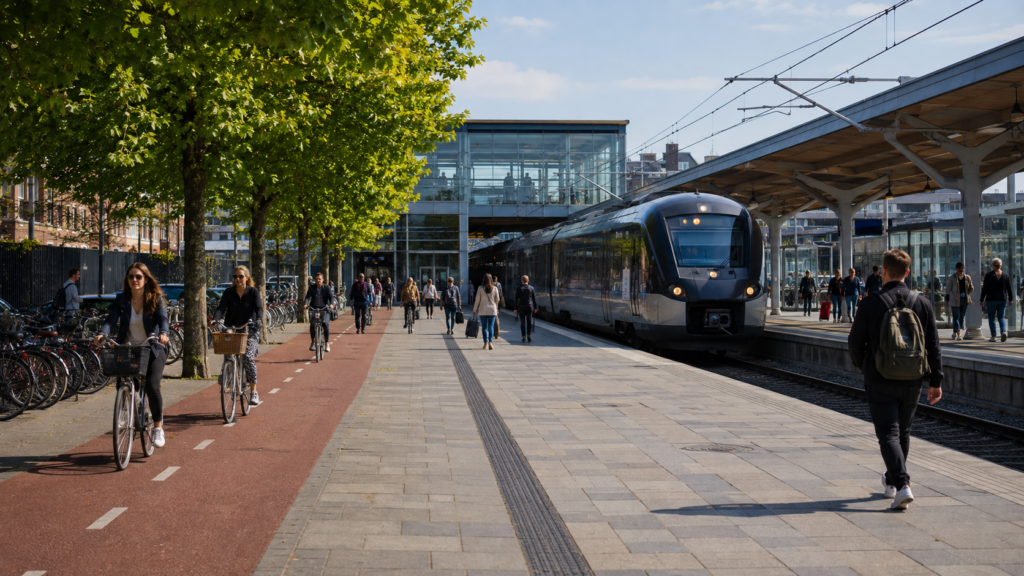
Smørrebrød is perhaps Denmark’s most iconic dish. These beautifully prepared open-faced sandwiches are served on dense rye bread and topped with ingredients such as smoked salmon, shrimp, roast beef, eggs, pickled herring, potatoes, or fresh herbs. Each restaurant often has its own creative variations.
Another traditional favorite is frikadeller, flavorful Danish meatballs usually served with potatoes, vegetables, and rich brown gravy. It’s a comforting meal commonly enjoyed by local families.
Stegt flæsk, often regarded as Denmark’s national dish, consists of crispy pork slices accompanied by boiled potatoes and parsley sauce. Despite its simple ingredients, it’s considered one of the country’s most beloved comfort foods.
Seafood lovers should sample freshly caught fish, especially in coastal towns where local harbors receive daily catches. Smoked fish, shrimp, mussels, and herring feature prominently on many menus.
Danish bakeries are famous worldwide for good reason. Fresh cinnamon rolls, butter pastries, cardamom buns, and flaky Danish pastries are available almost everywhere. Pairing a pastry with locally roasted coffee is one of the simplest pleasures of Danish daily life.
In recent years, Denmark has also become an internationally recognized culinary destination. Copenhagen is home to numerous Michelin-starred restaurants that focus on seasonal Nordic ingredients and innovative cooking techniques.
Whether dining at a high-end restaurant or enjoying lunch from a neighborhood bakery, food quality throughout Denmark is consistently impressive.
Staying Connected During Your Trip
Reliable internet access makes traveling through Denmark remarkably convenient.
Most hotels, cafés, restaurants, shopping centers, airports, libraries, and train stations provide free Wi-Fi. Internet speeds are generally fast, allowing visitors to upload photos, navigate maps, make online bookings, and stay connected with family back home.
Travelers planning longer stays often purchase prepaid SIM cards from local mobile providers. International eSIM services have also become increasingly popular, allowing visitors to activate mobile data before arriving in Denmark.
Mobile network coverage is excellent across most of the country, including rural areas and many smaller islands. Navigation apps, transportation services, weather forecasts, and translation tools all work reliably throughout your trip.
Downloading offline maps before traveling is still recommended, particularly if you plan to visit remote natural areas where mobile coverage may occasionally weaken.
Local Customs and Danish Culture
Understanding local customs helps visitors feel more comfortable while also showing respect for Danish culture.
Danes are generally friendly but value privacy and personal space. Conversations are usually calm and polite, and loud behavior in public is uncommon. Respecting queues, speaking quietly on public transportation, and maintaining good manners are all appreciated.
Punctuality is important. Whether attending a guided tour, meeting friends, or arriving at a restaurant reservation, being on time demonstrates respect for others.
Cycling etiquette deserves particular attention. Dedicated bicycle lanes are treated seriously, and pedestrians should avoid walking in them. Cyclists are expected to obey traffic lights, signal turns, and follow local road rules.
Environmental responsibility is another defining characteristic of Danish society. Recycling bins are widely available, many hotels encourage sustainable practices, and reusable shopping bags are common. Visitors are encouraged to support these efforts whenever possible.
Fortunately, communication is rarely a challenge. English is spoken fluently by the vast majority of Danes, especially in tourist destinations, hotels, restaurants, and transportation hubs. Even outside major cities, visitors generally find locals willing to assist.
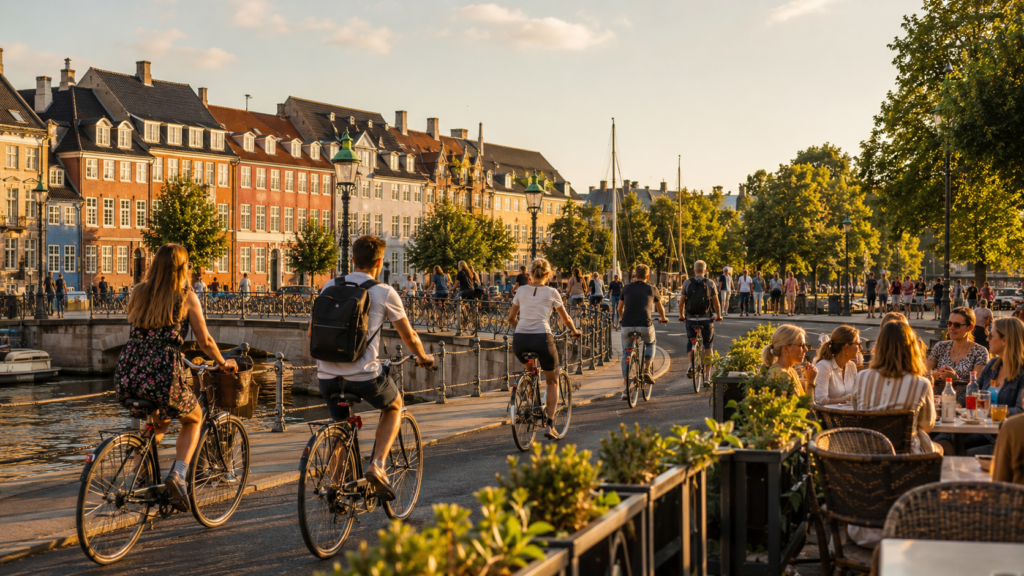
One cultural concept visitors often hear about is hygge. While difficult to translate directly, it represents feelings of comfort, warmth, relaxation, and enjoying simple moments with family and friends. Experiencing hygge through cozy cafés, candlelit dinners, or quiet evenings is one of the most authentic parts of visiting Denmark.
Safety Tips for Travelers
Denmark consistently ranks among the safest countries in the world, making it an excellent destination for solo travelers, couples, families, and older visitors alike.
Violent crime involving tourists is extremely rare. Nevertheless, common-sense precautions should always be followed, especially in busy transportation hubs or popular tourist attractions where occasional pickpocketing can occur.
Keep passports, wallets, and electronic devices secure, particularly in crowded train stations and airports. Using hotel safes for important documents provides additional peace of mind.
Cyclists should consider wearing helmets, especially if unfamiliar with urban cycling. Although dedicated bike lanes improve safety considerably, remaining alert around intersections is always advisable.
Weather conditions can change quickly, particularly near the coast. Carrying a lightweight waterproof jacket and dressing in layers ensures comfort throughout the day.
Travel insurance remains highly recommended regardless of your nationality. Comprehensive coverage can help protect against unexpected medical expenses, trip cancellations, or lost baggage.
Emergency services are efficient and professional, providing visitors with reassurance should unexpected situations arise.
What to Pack for Denmark
Packing appropriately can make your trip much more comfortable, especially since Danish weather can be unpredictable. Even during summer, mornings and evenings may feel cool, while coastal winds can make temperatures seem lower than expected.
Layering is the best approach. Instead of bringing heavy clothing, pack several lightweight layers that can easily be added or removed throughout the day. A waterproof jacket is highly recommended regardless of the season, as short rain showers are common.
Comfortable walking shoes are essential. Danish cities are designed for pedestrians, and you’ll likely spend hours exploring historic neighborhoods, museums, waterfront promenades, and public parks on foot. If you plan to rent a bicycle, comfortable sports shoes are even more practical.
During winter, warm clothing, gloves, scarves, and waterproof footwear become necessary, especially if you intend to visit Christmas markets or spend time outdoors after sunset.
Don’t forget a universal travel adapter if your devices use different plug types. Denmark uses Type C, E, F, and K power outlets with a standard voltage of 230V.
A reusable water bottle is also worth bringing. Danish tap water is among the cleanest in the world, making it safe to refill your bottle throughout the day while reducing plastic waste.
Suggested Itinerary for First-Time Visitors
If this is your first trip to Denmark, spending five to seven days allows enough time to experience both the capital and other parts of the country.
Begin with two or three days in Copenhagen. Visit Nyhavn, Amalienborg Palace, Rosenborg Castle, Tivoli Gardens, Christianshavn, and the Little Mermaid. Explore local cafés, cycle along the canals, and experience the city’s relaxed atmosphere.
From Copenhagen, take a train to Roskilde to visit the famous Viking Ship Museum and Roskilde Cathedral, both of which offer fascinating insights into Danish history.
Continue west to Odense, the birthplace of Hans Christian Andersen. Wander through the charming old town, visit museums dedicated to the famous author, and enjoy the city’s welcoming atmosphere.
Next, travel to Aarhus, Denmark’s second-largest city. Here you can explore ARoS Aarhus Art Museum, Den Gamle By open-air museum, and the vibrant Latin Quarter filled with independent cafés and boutiques.
If time allows, head north to Skagen, where the North Sea and Baltic Sea meet. The unique natural scenery, sandy beaches, and artistic heritage make it one of Denmark’s most memorable destinations.
This itinerary provides an excellent balance of history, culture, architecture, food, and nature without feeling overly rushed.
Practical Tips Before You Go
Preparing a few details before departure can make your Danish adventure much smoother.
Book accommodation well in advance if you’re traveling during summer or the Christmas season, as hotels in Copenhagen can fill up quickly.
Purchase attraction tickets online whenever possible. Popular sites such as Tivoli Gardens or certain museums may have long queues during peak travel periods.
Download transportation apps before arriving. Having train schedules, metro maps, and digital tickets readily available saves time and simplifies moving around unfamiliar cities.
If you plan to visit several museums and attractions, compare city passes before your trip. Depending on your itinerary, they can offer excellent value by combining transportation and attraction admissions.
Always carry a reusable shopping bag, as many supermarkets charge for disposable bags. It’s a small detail that reflects Denmark’s strong commitment to environmental sustainability.
Respect bicycle lanes when walking. This is one of the most common mistakes made by tourists, and staying aware of designated cycling paths helps avoid accidents and keeps traffic flowing smoothly.
Finally, don’t try to see everything in one trip. Denmark is best enjoyed at a slower pace. Spend time sitting by the harbor, enjoying a coffee in a local café, visiting neighborhood markets, or simply observing everyday life. These quiet moments often become the most memorable parts of a Danish vacation.
Final Thoughts
Denmark may be compact in size, but it offers an incredibly diverse travel experience. Historic castles, colorful harbors, innovative architecture, beautiful coastlines, world-class museums, and welcoming local communities combine to create a destination that appeals to almost every type of traveler.
Its efficient transportation system, high safety standards, widespread English proficiency, and excellent tourism infrastructure make it one of the easiest countries in Europe to explore. Whether you’re traveling solo, as a couple, with friends, or as a family, Denmark provides a comfortable and rewarding experience from the moment you arrive.
Planning ahead by understanding visa requirements, budgeting realistically, choosing the right season, and learning a few local customs will allow you to spend more time enjoying the journey and less time dealing with unexpected challenges.
From cycling through Copenhagen’s charming streets and discovering Viking history to tasting traditional Danish cuisine and experiencing the cozy atmosphere of hygge, Denmark offers countless memorable moments that stay with travelers long after they return home.
If you’re looking for a destination that combines history, culture, modern design, natural beauty, and exceptional quality of life, Denmark deserves a place at the top of your travel list. With thoughtful preparation and an open mind, your first visit will likely inspire you to return and discover even more of what this remarkable Scandinavian country has to offer.